
The Birthstone of the Month of May
Symbolism and meaning of the emerald
Think of a rain-fresh forest – that deep, vivid green is the colour of the emerald. For thousands of years this gemstone has fascinated kings, explorers and mystics. When nature awakens in May, it is hardly surprising that this extraordinary stone is considered the heart of spring.
Whether you are looking for a gift for someone with a May birthday or want to discover the legends behind this storied jewel, this guide tells you everything about the history and symbolism of the emerald, along with the most important tips for buying one.
What is the birthstone of the month of May?
The emerald is the officially recognised birthstone for the month of May. This designation was standardised in 1912 by the American National Retail Jewelers Association and still holds today.
● Mineralogy: Geologically speaking, an emerald is a variety of the mineral beryl. It owes its characteristic green colour to traces of chromium and occasionally vanadium.
● Etymology: The name has a long history. From the Semitic word marakata via the Greek smaragdos, the term developed into today's word "emerald".
● Durability: On the Mohs scale the emerald reaches a hardness of 7.5 to 8. That makes it excellently suited to fine jewellery, provided it is treated with appropriate care.
● Anniversaries: Besides birthdays, the emerald is also traditionally the gemstone for the 20th and 35th wedding anniversary.
The fascinating history of the emerald
The history of the emerald is one of the most fascinating and best documented stories in the gemstone world. The earliest finds are dated to around 330 BC in Egypt. Geologists assume, however, that some of these stones are almost three billion years old.
● Sacred Egypt: For the ancient Egyptians, emeralds were sacred symbols of protection, fertility and eternal life. They were frequently used as burial offerings for rulers.
● Cleopatra's passion: The legendary queen claimed all of Egypt's emerald mines for herself. She not only adorned herself with the green gemstones but also gave them to dignitaries – often engraved with her own likeness.
● Rome and India: In ancient Rome the emerald was dedicated to Venus, the goddess of love. Emperor Nero is said to have used a flat emerald as an early form of luxury sunglasses to watch gladiator fights. In India, Hindu scriptures linked the stone to the planet Mercury and attributed wisdom and eloquence to it.
● The New World: Perhaps the most significant turning point in the emerald's history came in the 16th century, when Spanish conquistadors discovered the famous mines of Colombia. The emeralds found there still set the benchmark for the highest quality today.
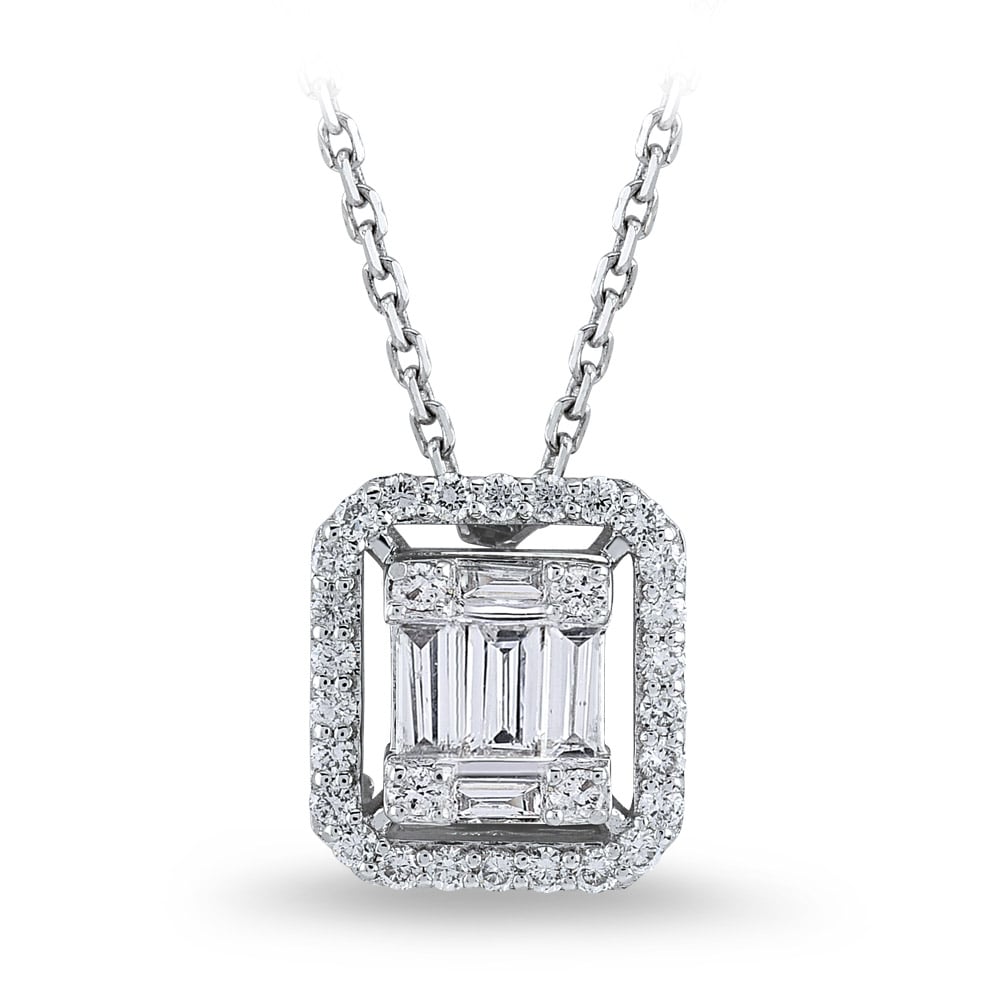
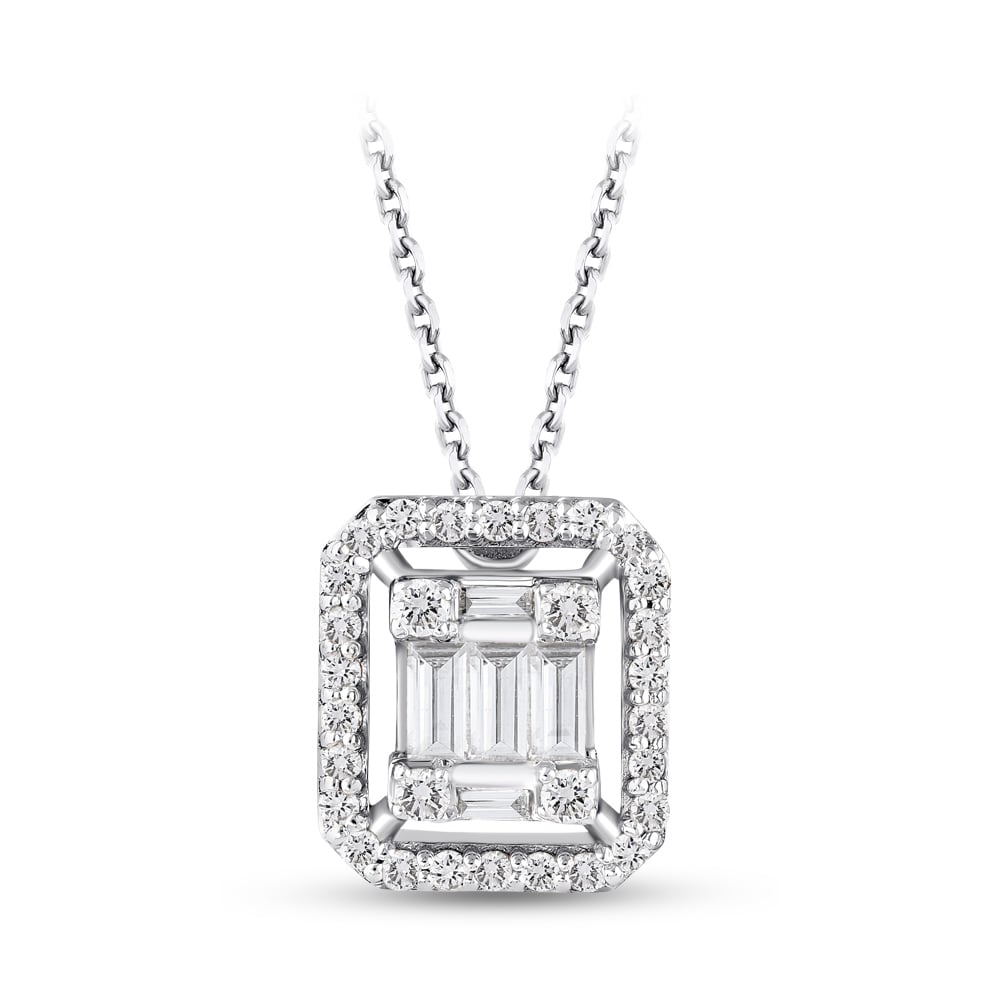
Expert tip: The famous rectangular emerald cut was originally developed specifically for this gemstone. Its shape reduces pressure during cutting and gives the stone better protection against chipping.
Colour – the heart of the emerald
With hardly any other gemstone does colour play such a decisive role as with the emerald. Stones with a lively, intense and strongly saturated green are especially sought after.
● Colour nuances: Chromium and vanadium give the emerald its iconic colour, while iron often produces a slightly bluish undertone. If the colour is too light or too pale, the stone is classified merely as "green beryl" – with a clear effect on its value.
● Origin: Colombian emeralds are regarded as the gold standard and are distinguished by a warm, slightly bluish green. Zambian emeralds often appear darker and cooler, while Brazilian specimens tend to be lighter and slightly yellowish.
● The "jardin": Inclusions are the rule in emeralds, not a flaw. These natural characteristics are known as the "jardin" (French for garden) and are considered nature's unique fingerprint. Completely clear emeralds with no visible jardin are extremely rare and often command prices above those of high-quality diamonds.