
The True History of Birthstones
Beyond the Month: The True Story of Birthstones
When you give a piece of jewelry as a birthday gift or choose one for yourself, selecting the corresponding gemstone often feels deeply personal. Many people grow up believing that their birthstone represents a fixed, thousands-of-years-old tradition—as if this gemstone were naturally and inextricably linked to their birth month.
However, it surprises many to learn that the birthstone system used today is a relatively modern invention. Although birthstones have deep religious and cultural roots, assigning a single stone to a specific birth month was not originally intended.
This guide separates historical facts from modern myths and reveals the fascinating evolution from ancient talisman to the birthstone chart we know today.
The Origin of Birthstones: Where It All Began
To understand the history of birthstones, we must step away from the modern calendar system. The earliest use of these gemstones was rooted in symbolic and religious practices rather than individual personal identification.
Biblical Roots and the Breastplate of Aaron
The most frequently cited origin is found in the Book of Exodus (28:15–30). There, the breastplate of Aaron, the High Priest of the Israelites, is described. This sacred vestment was set with twelve different gemstones, each representing one of the twelve tribes of Israel.
Over the centuries, scholars began to connect these twelve stones with other cycles of twelve:
- the twelve zodiac signs of astrology
- the twelve months of the calendar year
Important Historical Fact: In ancient times, people did not exclusively wear the stone of their birth month. Instead, they often owned all twelve stones and wore a different one each month to harness its specific symbolic powers.
Gemstones in Ancient Civilizations
Apart from biblical tradition, gemstones held immense significance in numerous ancient cultures. However, their value was based on complex belief systems rather than a person's date of birth.
Ancient Egypt: Gemstones represented protection in both this life and the afterlife. Stones like turquoise and lapis lazuli were placed in pharaohs' tombs as grave goods to ensure a safe transition into the afterlife.
Ancient Rome: The Romans believed that gemstones possessed cosmic or planetary forces that could influence daily life.
India: In Ayurvedic traditions, gemstones were closely linked to planetary energies. They were used to promote internal balance and align individuals with cosmic forces.
The Evolution of Birthstones Over Time
How did sacred symbols transform into personal companions? The evolution of birthstones reflects shifting cultural perspectives over centuries.
From Sacred Stone to Personal Talisman
In the Middle Ages, the symbolism of gemstones took on a more personal meaning. People began deliberately wearing specific stones for individual purposes:
- for protection against illness and negative influences
- to support healing processes
- for good fortune in trade or military endeavors
The belief that gemstones possessed spiritual properties was widespread and shaped many cultures.
The Transition to Monthly Birthstones
The assignment of a single birthstone to a specific month developed between the 16th and 18th centuries. Historians suggest that this shift originated in Poland and was driven by the growing popularity of astrology as well as the standardization of the calendar.
However, a unified system did not exist for a long time. Birthstone lists varied significantly depending on the region, culture, and historical source.
The 1912 Birthstone Chart
When we look at an official birthstone chart today, we see a system that was standardized primarily for trade.
In 1912, the American National Retail Jewelers Association (now known as Jewelers of America) adopted an official list of birthstones. The goal was to eliminate confusion caused by conflicting historical assignments and establish a uniform standard.
Prior to this standardization, jewelers frequently faced contradictory lists. The new chart significantly simplified the market and was quickly adopted internationally. To this day, it forms the foundation for modern birthstone designations.
The True Meaning Behind the Stones
Because birthstone designations have changed multiple times throughout history, their meanings also differ depending on the culture and era.
Symbolism Across Cultures
Regardless of birth month, certain gemstones have retained similar symbolic meanings over centuries:
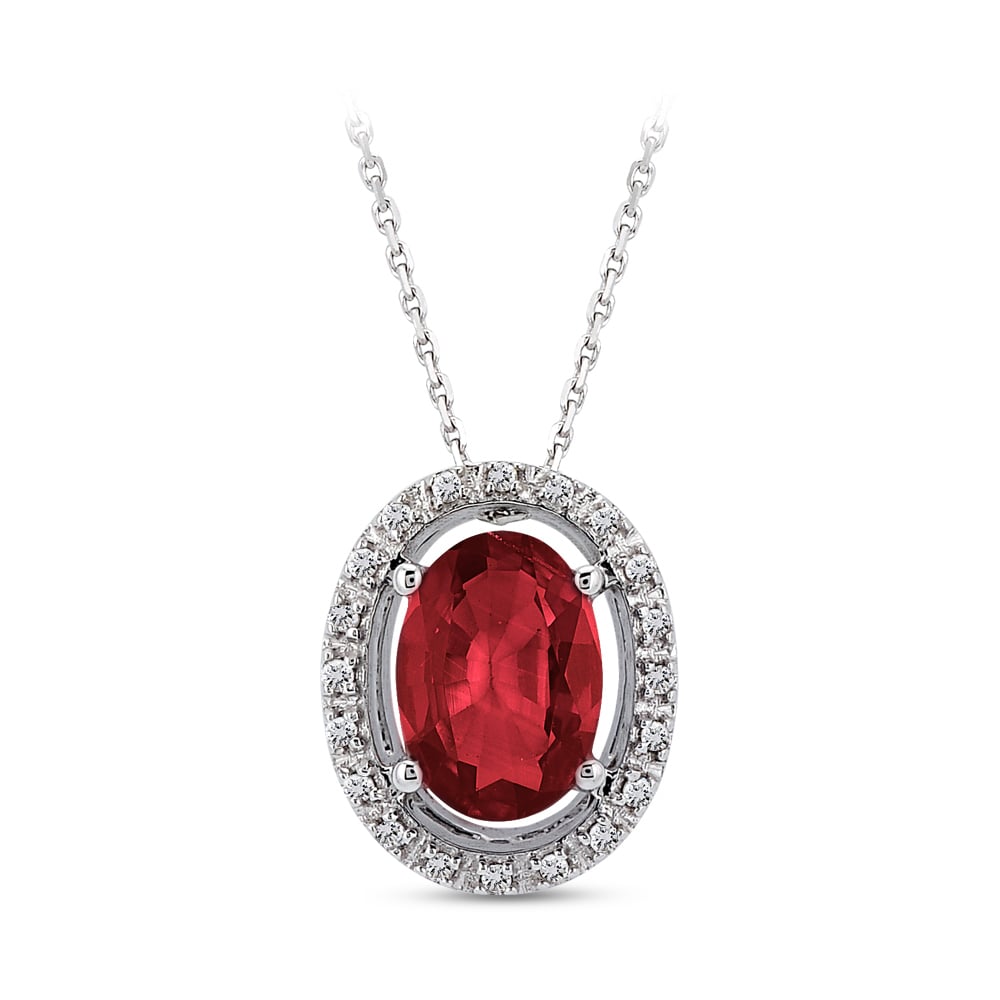
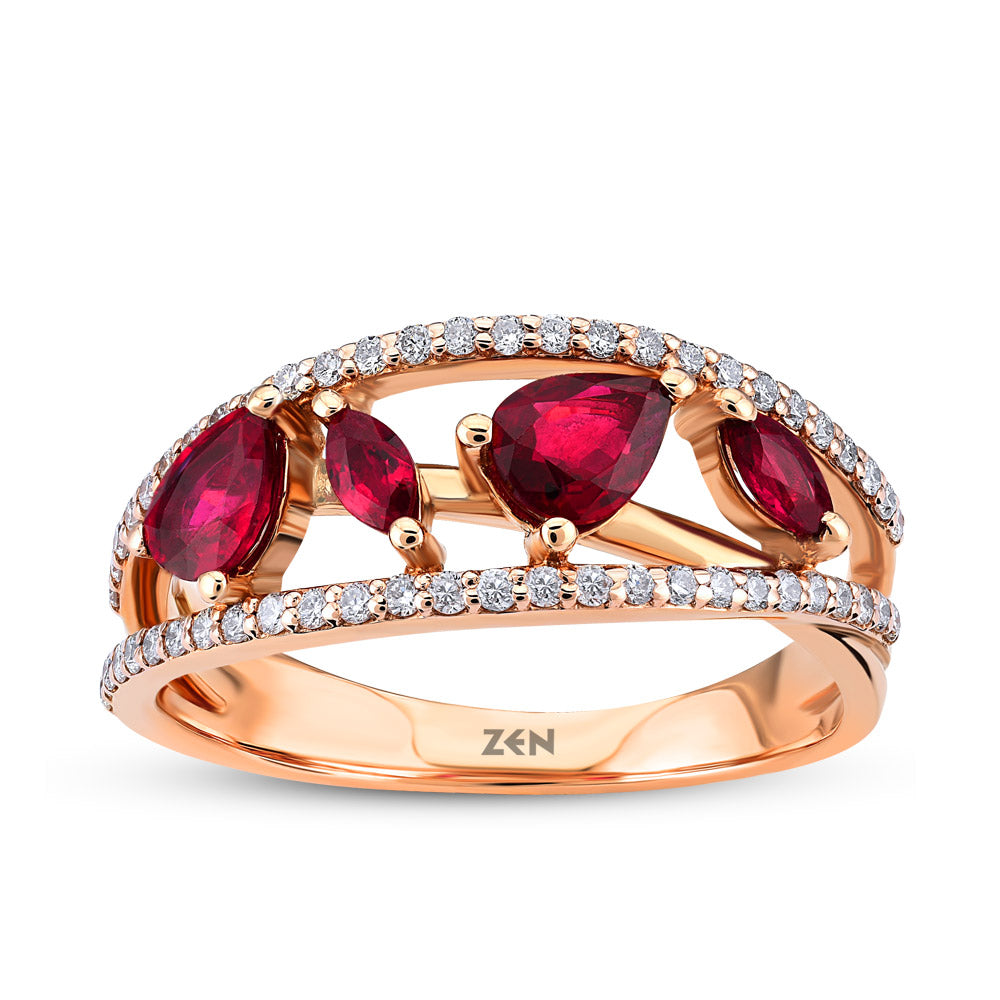
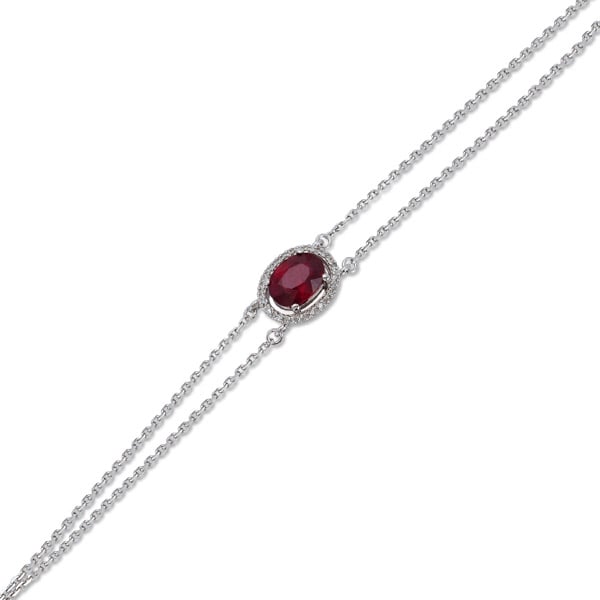
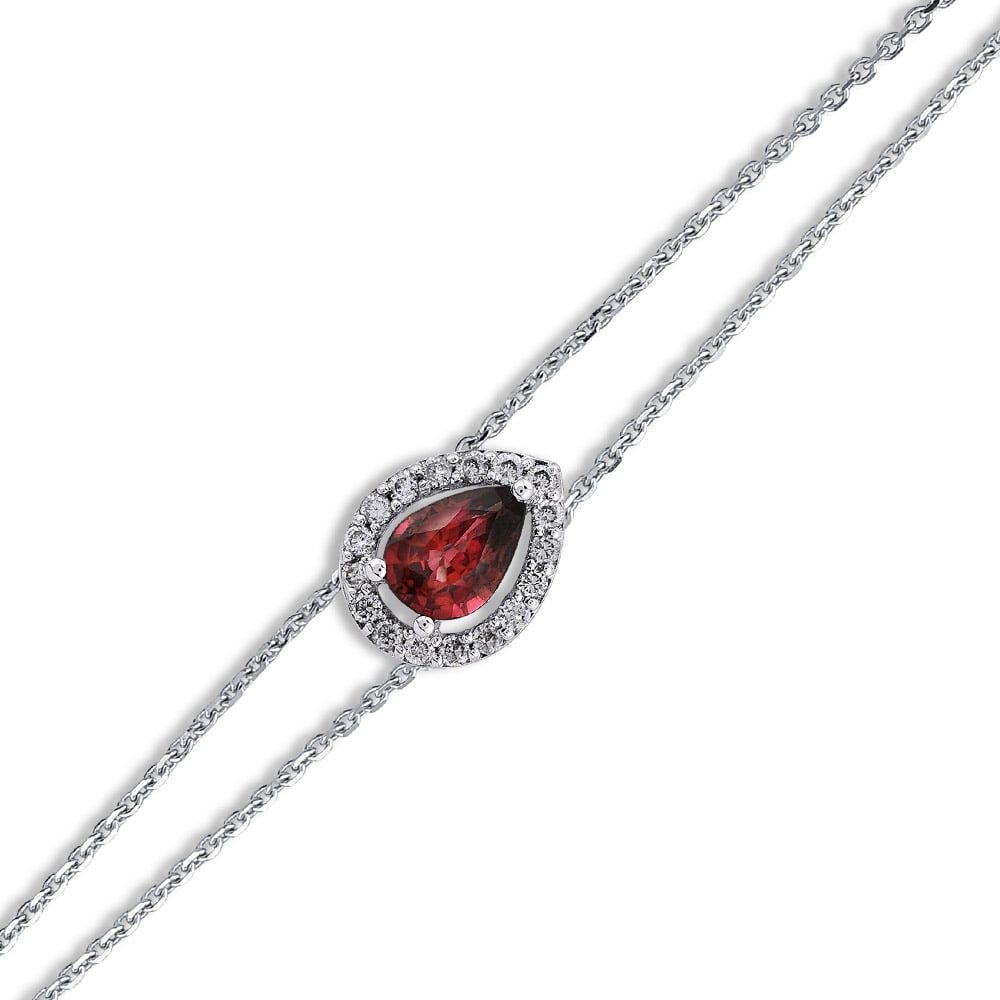
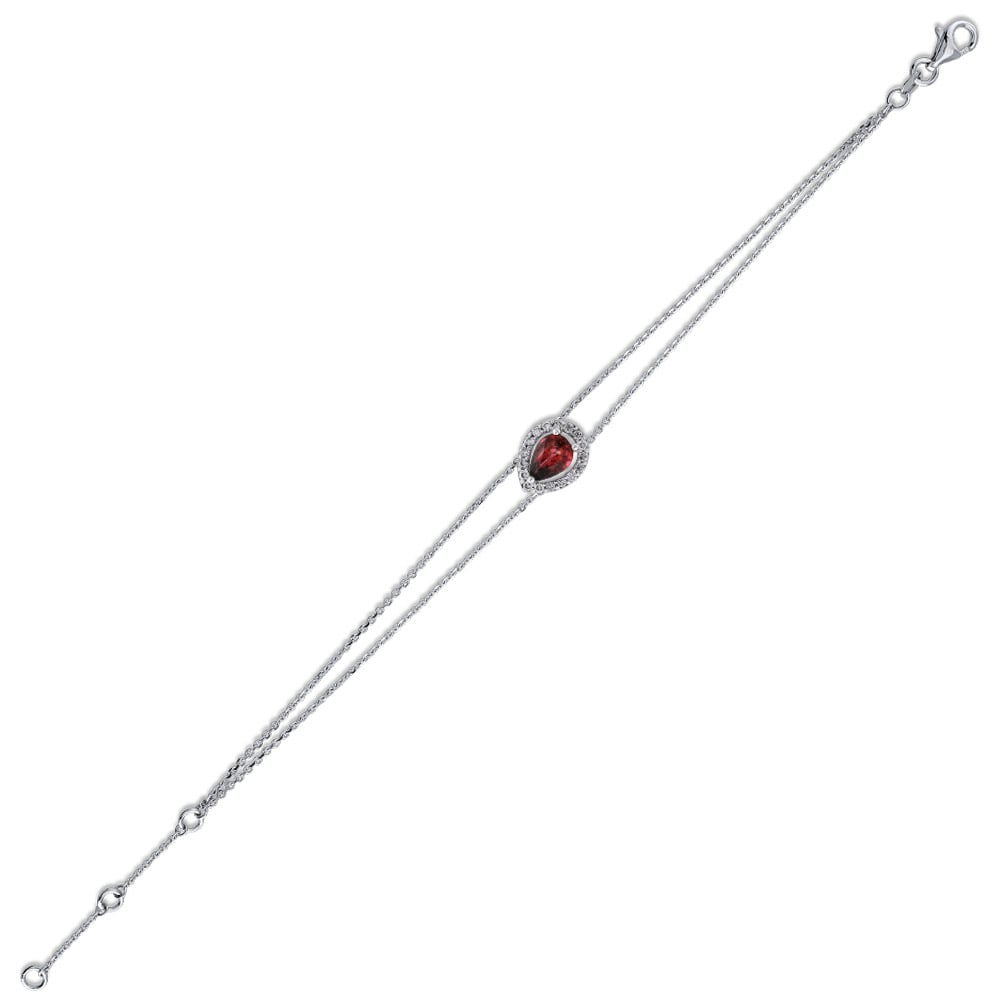
Ruby: A symbol of passion, protection, strength, and vitality.
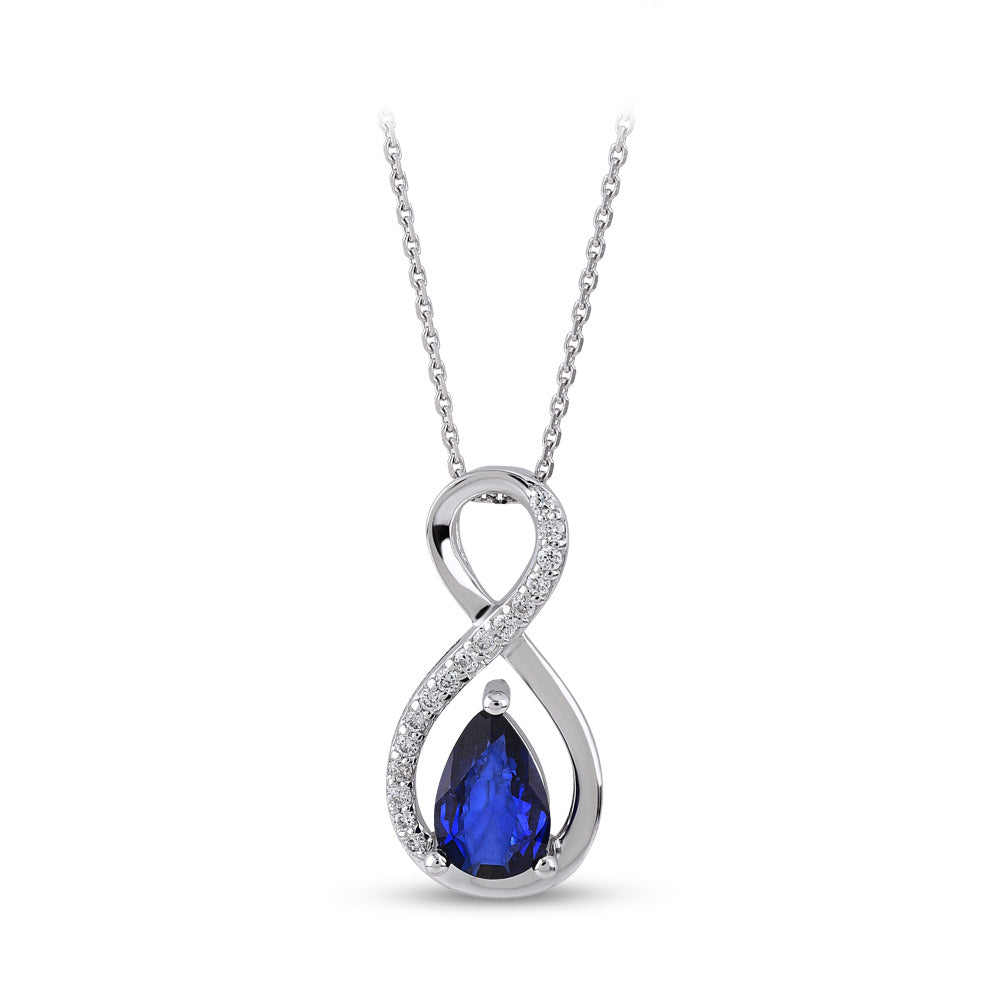
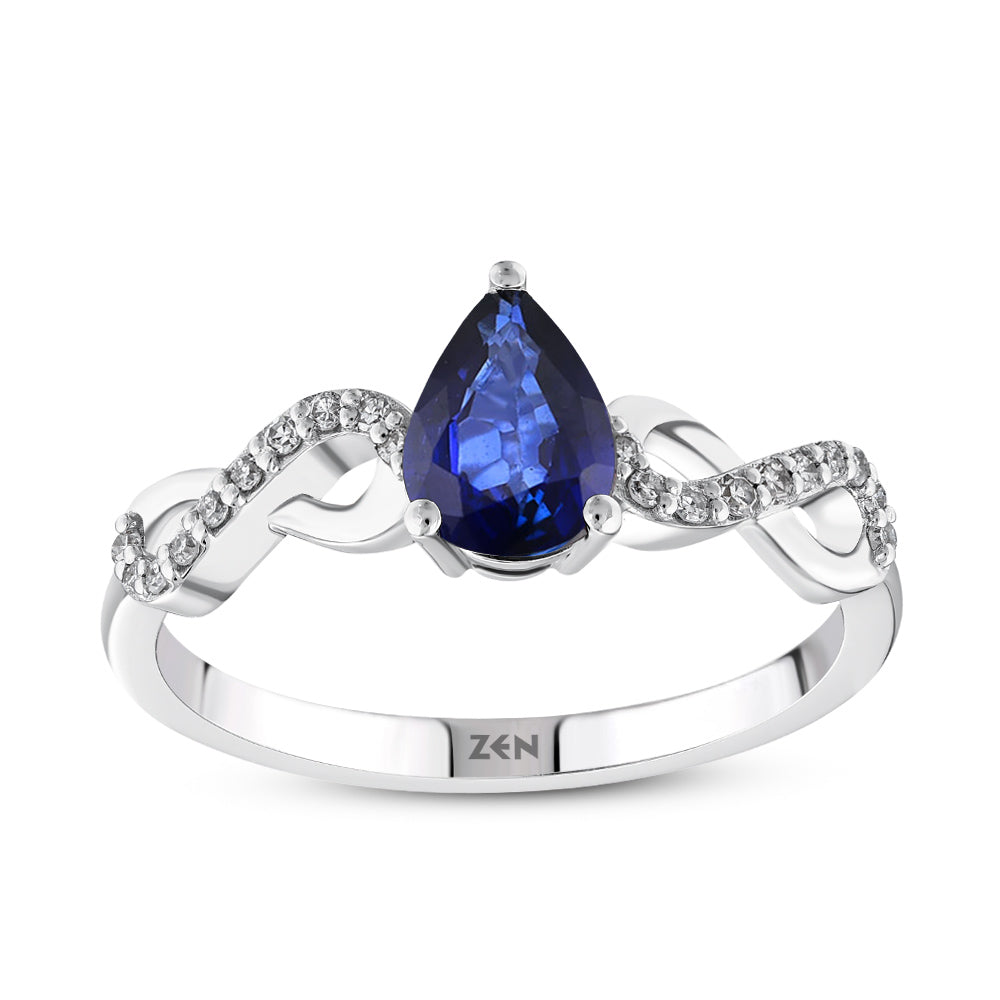
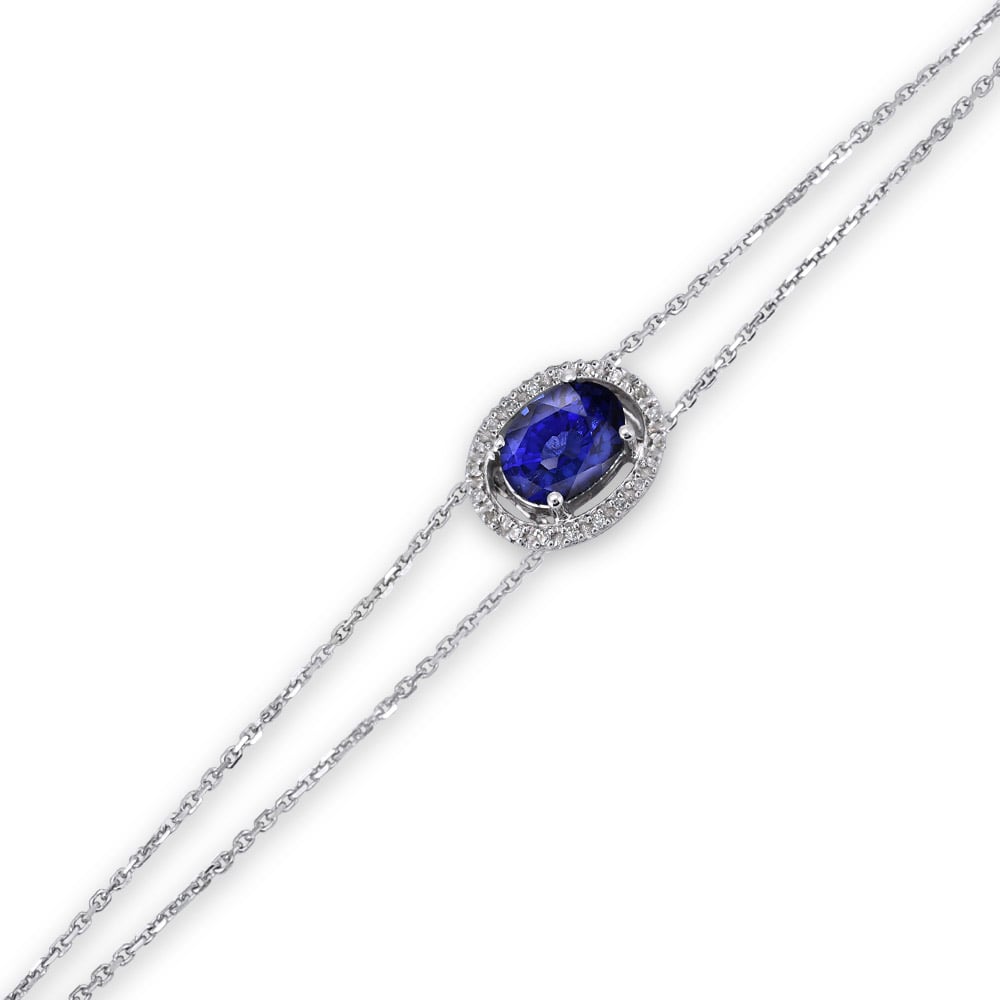
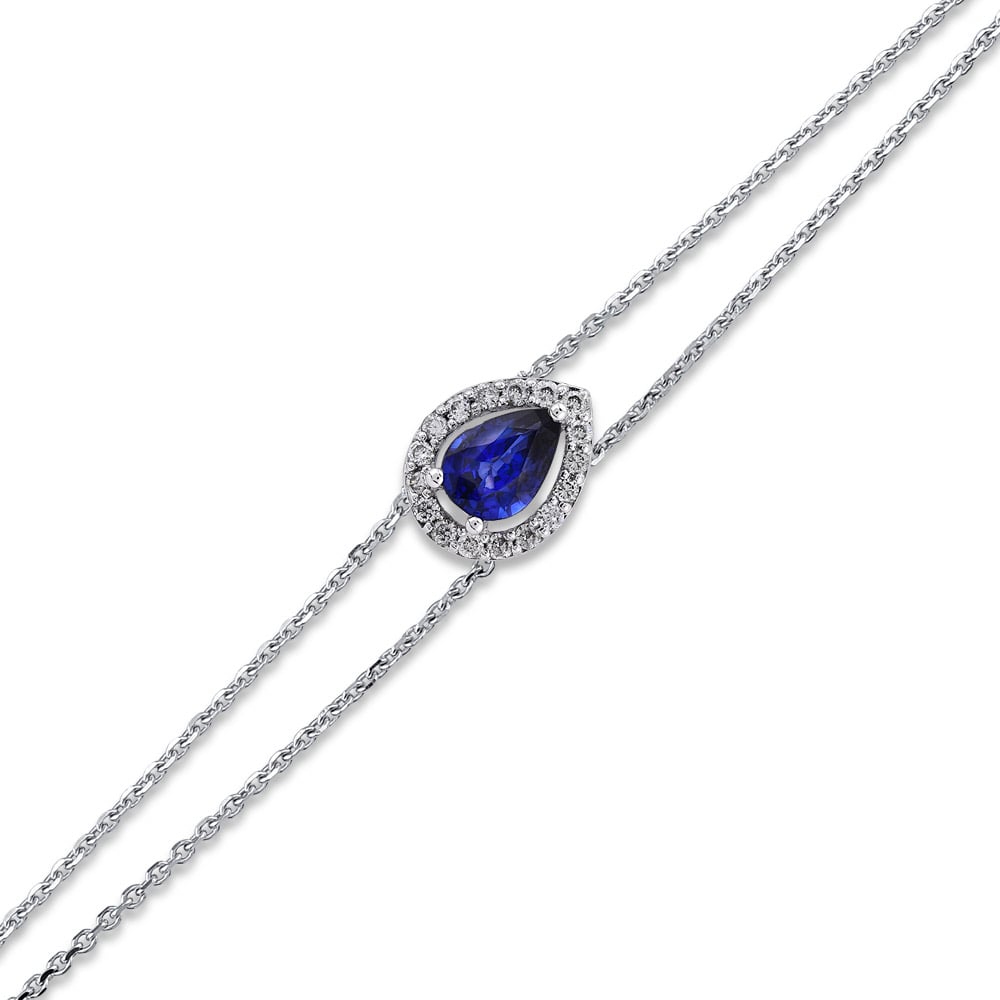
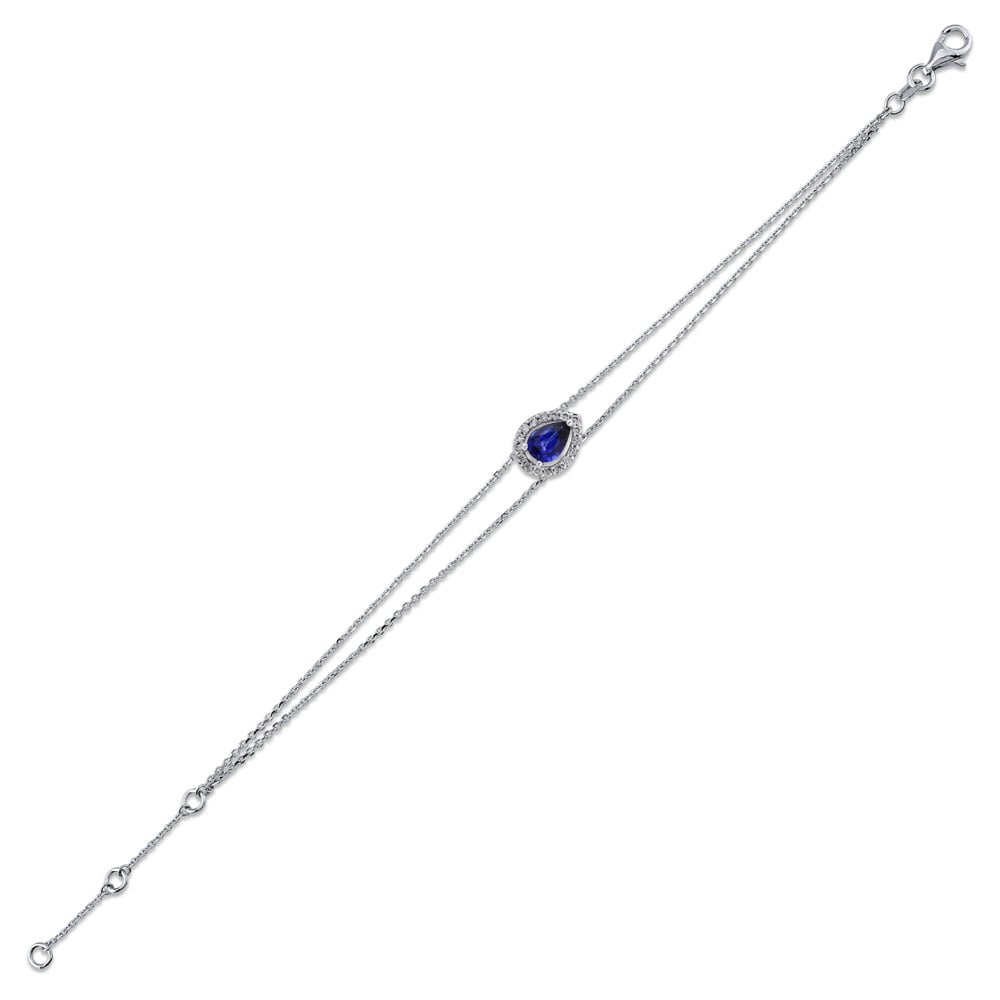
Sapphire: Represents wisdom, loyalty, purity, and nobility.
Emerald: Associated with fertility, growth, renewal, and a connection to nature.
Do Birthstones Really Have Healing Powers?
The answer depends on whether you look at it from a historical or scientific perspective.
Historically Speaking: Many ancient and medieval cultures were convinced that gemstones possessed healing and protective powers.
From a Modern Scientific Viewpoint: There is no scientific evidence that gemstones have medical or magical effects.
Nevertheless, their emotional and symbolic value can be profound. A stone that serves as a reminder of one's personality, heritage, or inner strength can hold immense personal significance.
Why Birthstones Still Matter Today
Are modern birthstones historically exact? Not entirely. Today's chart simplifies many complex cultural traditions and was heavily shaped by the standardization of the jewelry trade.
However, that does not diminish their significance.
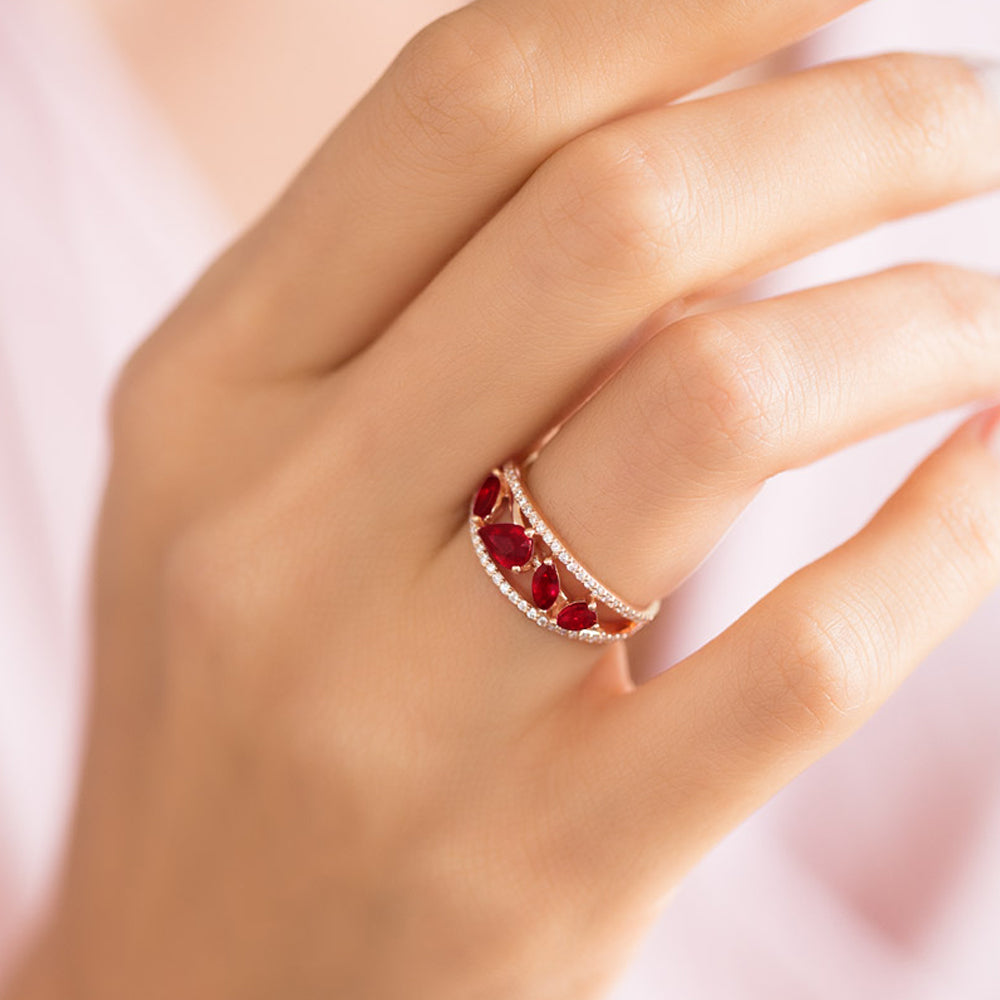
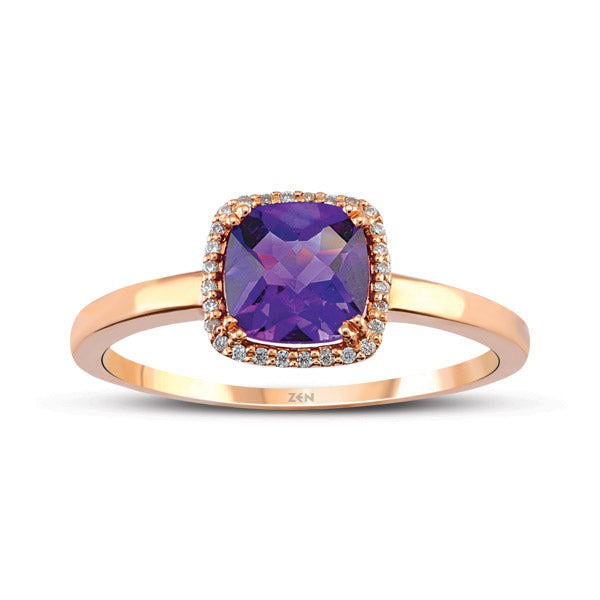
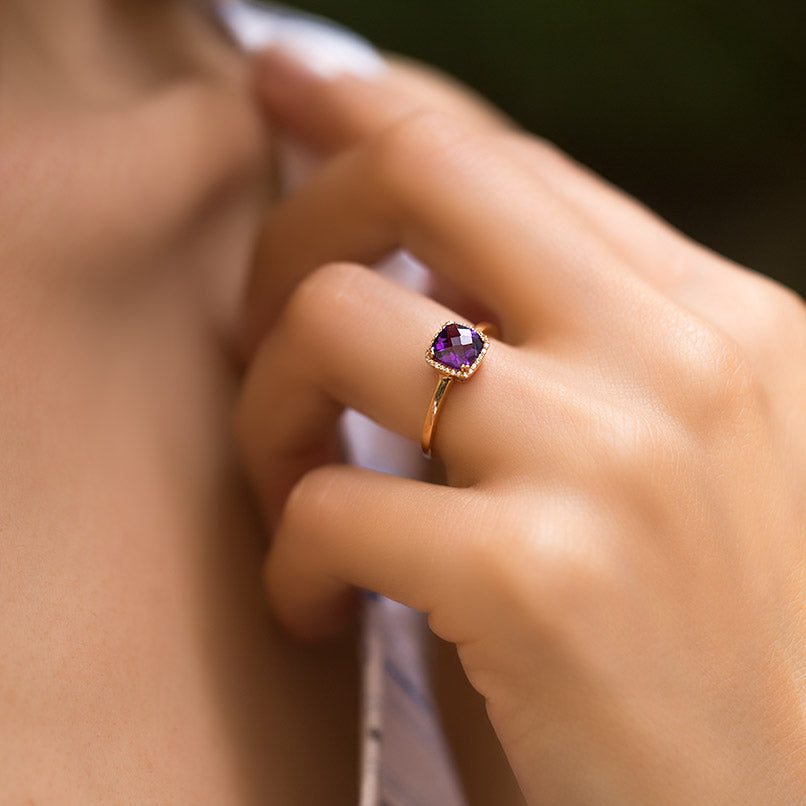
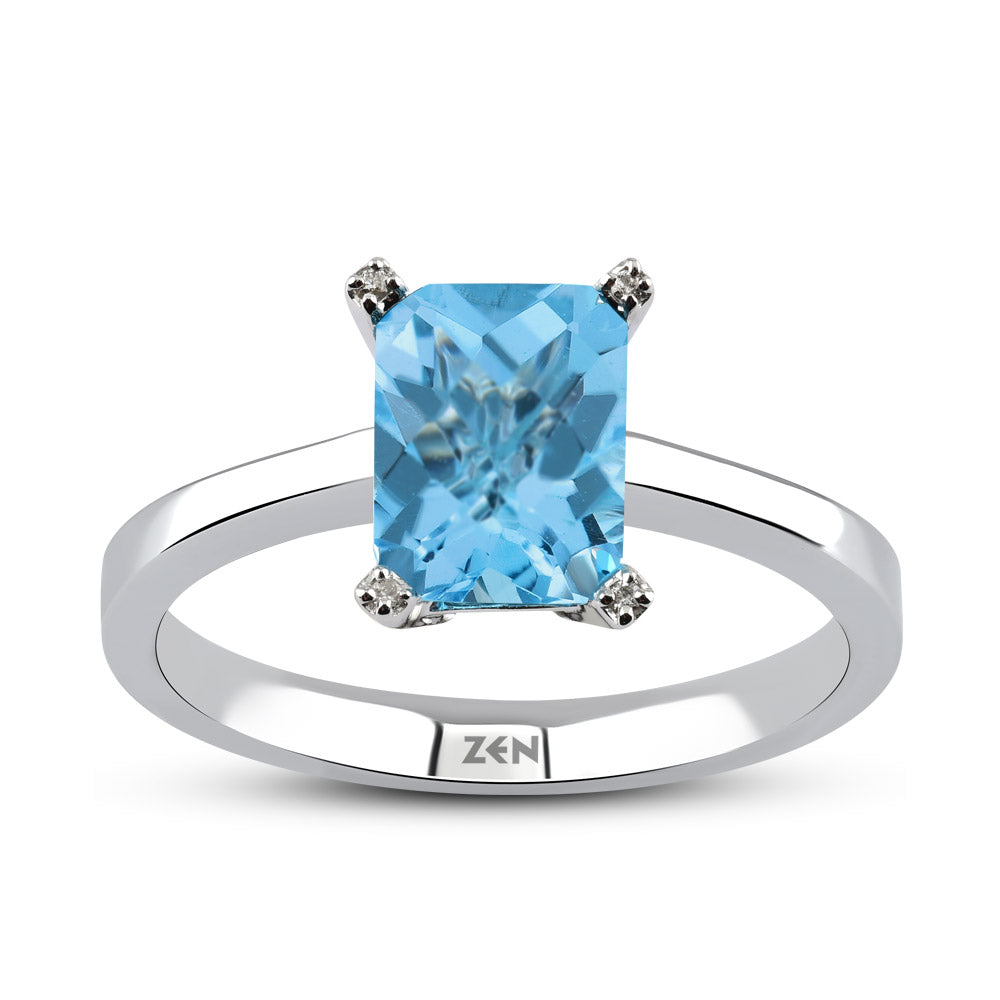
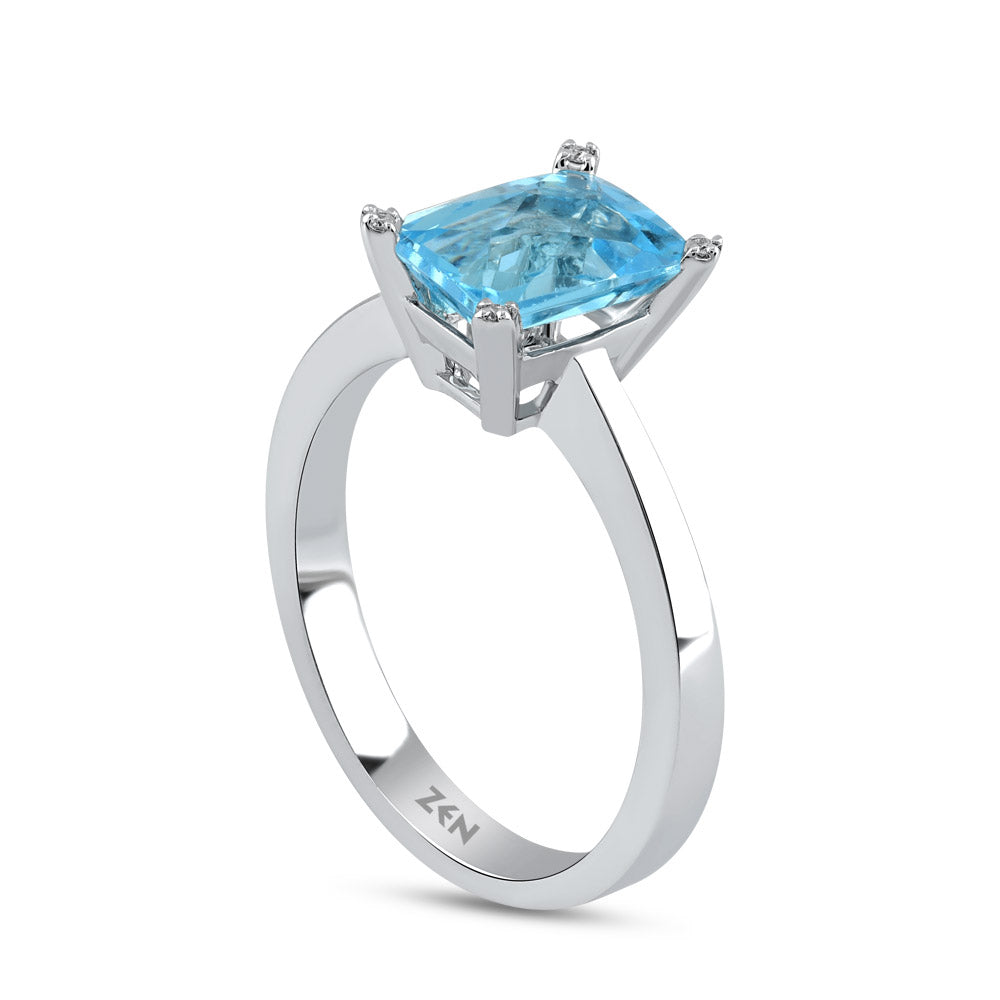
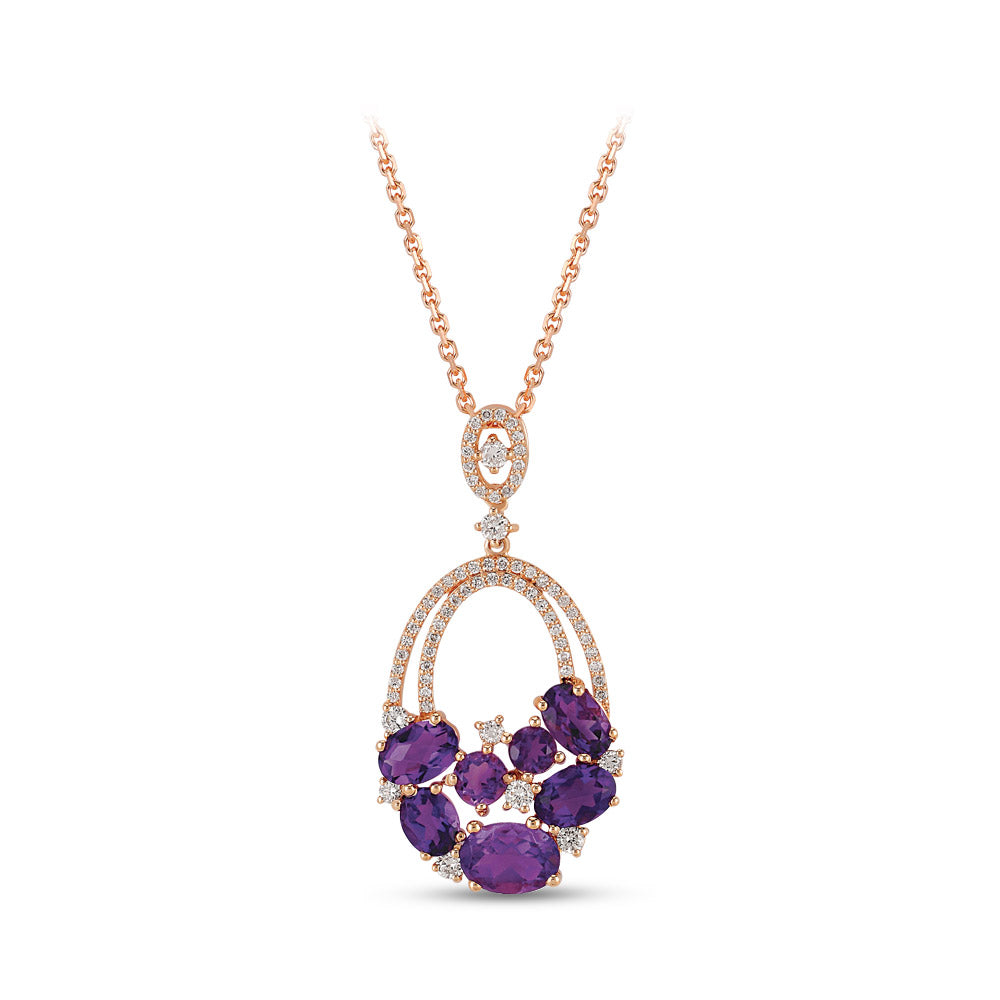
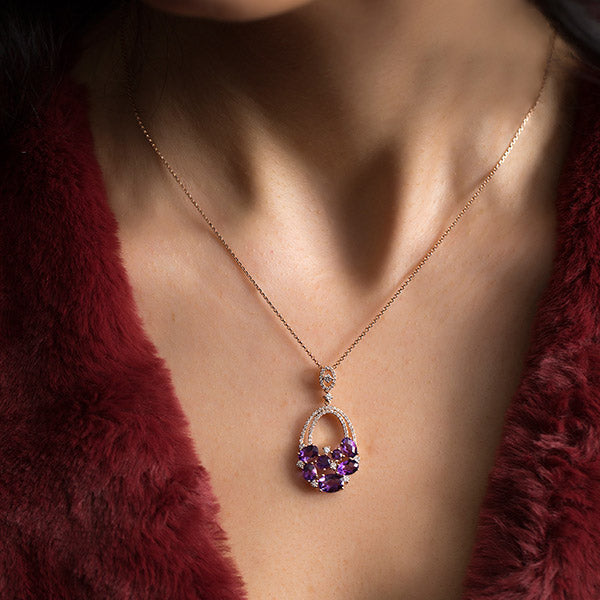
Humans have always attributed personal meaning to objects. We value individuality, memories, and symbols that tell our story. A necklace featuring the birthstones of your children or a ring set with your own birthstone becomes far more than just a piece of jewelry.
Today, birthstones represent identity, personality, and emotional connection. They bridge tradition with individuality, making jewelry truly unique.
Whether you are drawn to ancient symbolism or the captivating colors of modern gemstones, wearing a birthstone is an elegant way to express your personal story and individuality.
Discover the exclusive gemstone collections and fine diamond jewelry pieces at Zen Diamond to find the design that perfectly reflects your personal story.