
What Should You Consider When Choosing a Diamond?
Buying diamonds can often be a complicated and confusing process. However, equipped with the right information, this process becomes much simpler and more enjoyable. When purchasing a diamond, it is crucial to equip yourself like a professional jeweler and know a few fundamental characteristics. Understanding these features allows you to be better informed and decide more confidently which diamond is right for you. Therefore, it is essential to know these four characteristics that will help you act like a professional when buying diamonds and make the right choice. Let's take a closer look at these four features together!
4 Essential Characteristics of Diamonds
The first aspect you should pay attention to are the 4 Cs of diamonds: Carat, Color, Clarity, and Cut. You can think of these as the four main features that determine the quality of a diamond.
Carat:
The weight of a diamond is measured in carats. One carat equals 200 milligrams or 0.2 grams. A diamond's carat is often the decisive factor in its price. However, it is important to note that as carat weight increases, it is not always the physical dimensions of the diamond that increase, but its weight. Therefore, a diamond with a high carat weight shouldn't necessarily be assumed to look dramatically larger. The heavier the diamond, the higher its carat, and accordingly, its value.
Color:
The color grade of diamonds is typically evaluated on a scale from colorless to light tinted. Colorless diamonds are the rarest and therefore the most valuable. The color grade is assessed using a letter scale starting at D (colorless) and ending at Z (light yellow). Diamonds with a color grade of D are the most valuable, as they offer the highest purity and clarity regarding color.
Clarity:
The clarity of a diamond depends on the amount and size of natural inclusions, such as spots, fractures, and air bubbles. Diamonds are graded on a scale ranging from Loupe Clean (LC) to Piqué 3 (P3).
- Loupe Clean (LC), also referred to as Flawless or Internally Flawless, stands for diamonds with no visible inclusions or blemishes under 10x magnification.
- Piqué 1 (P1), Piqué 2 (P2), and Piqué 3 (P3), also referred to by the GIA as I1, I2, I3 (Included), encompass diamonds with increasingly visible inclusions that can be seen with the naked eye or under low magnification.
Cut:
The cut of a diamond refers to the precise crafting of its facets and angles, designed to maximize the light reflected within the diamond. A poorly cut diamond appears dull and lifeless, whereas a diamond with a high-quality cut creates distinct effects through its interaction with light:
- Brilliance: The reflection of white light.
- Fire: The dispersion of light into all the colors of the rainbow.
- Scintillation or Sparkle: The pattern of light and dark areas created inside the diamond as it moves.
The cut is evaluated based on three parameters: Proportions, Symmetry, and Polish. Each parameter is graded according to quality tiers, such as Excellent (EX), Very Good (VG), Good (G), or Fair (F).
The Shape of the Diamond Is Also Very Important
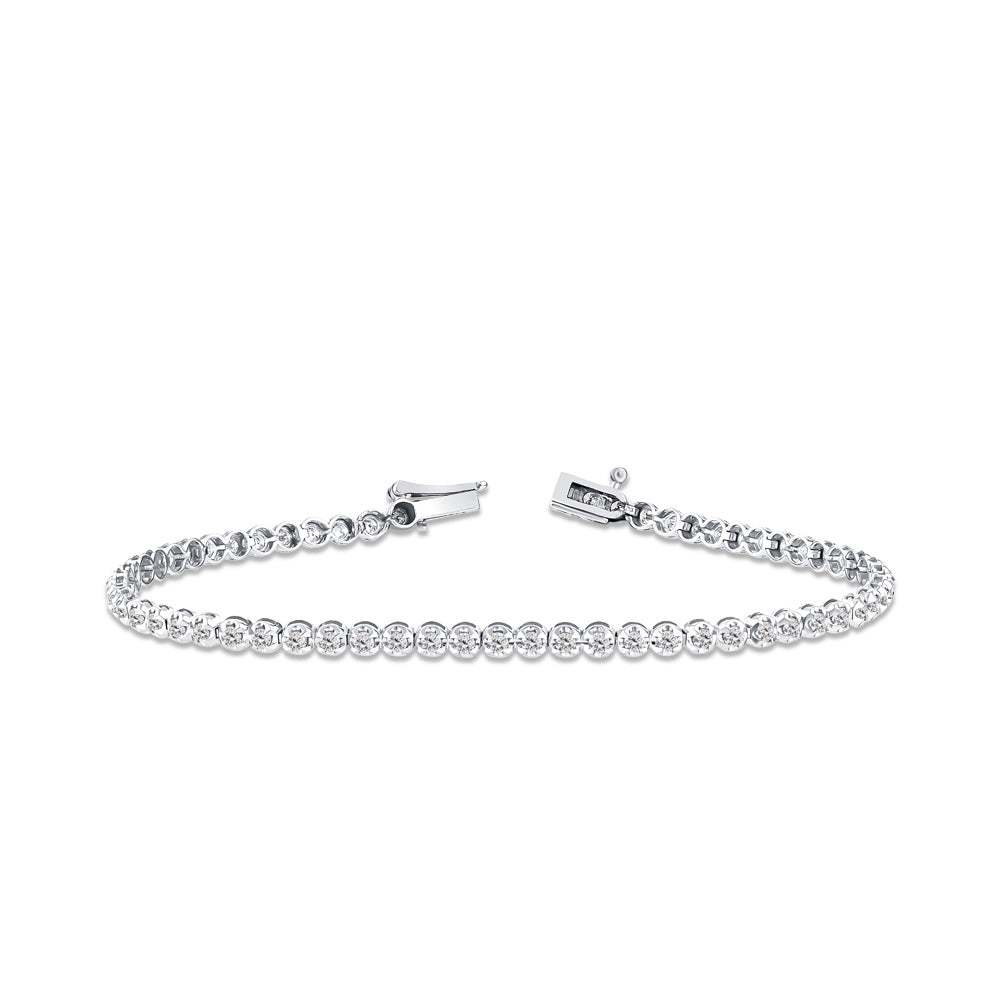
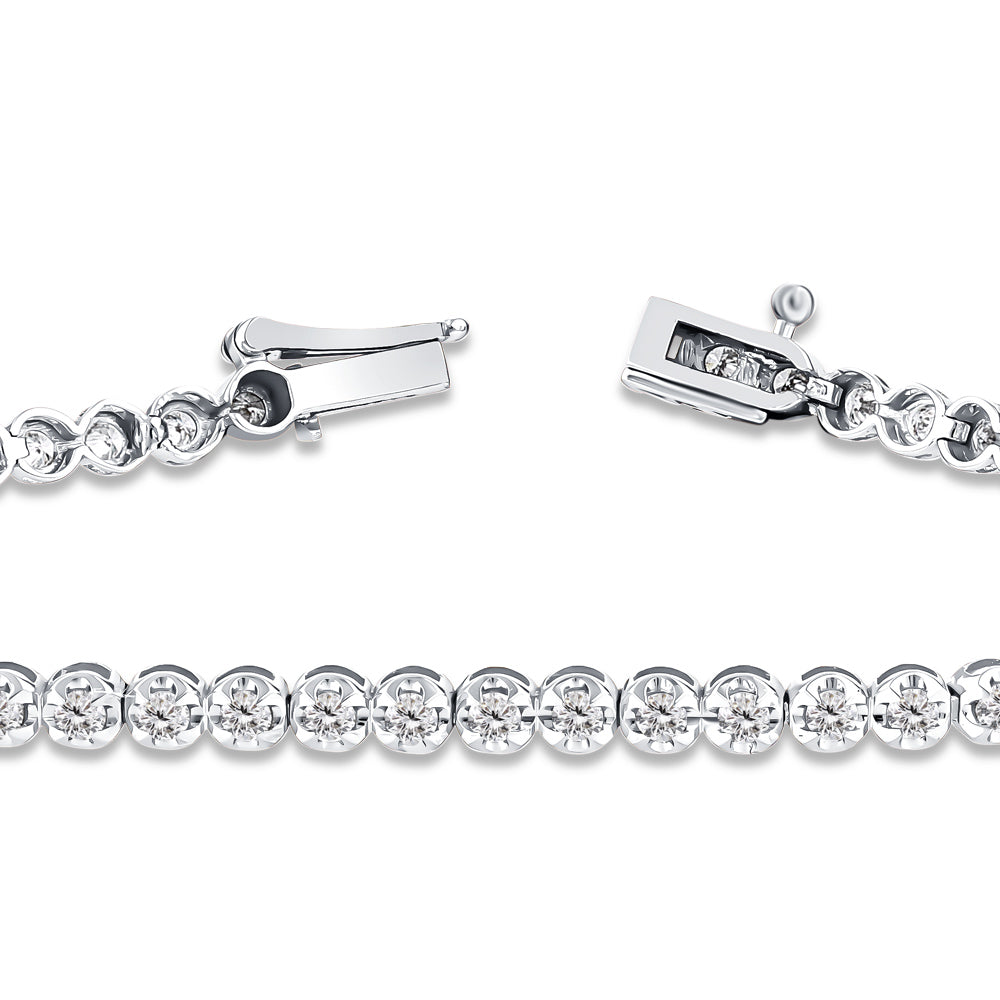
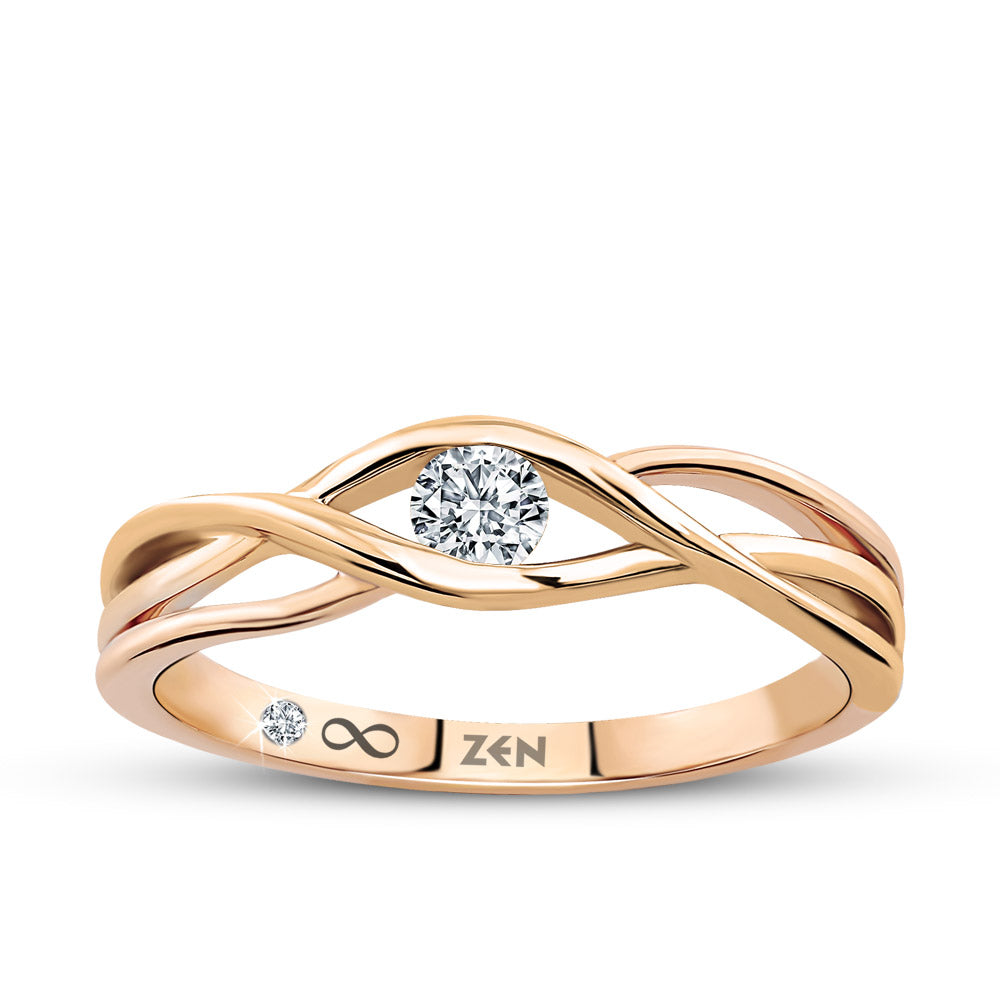
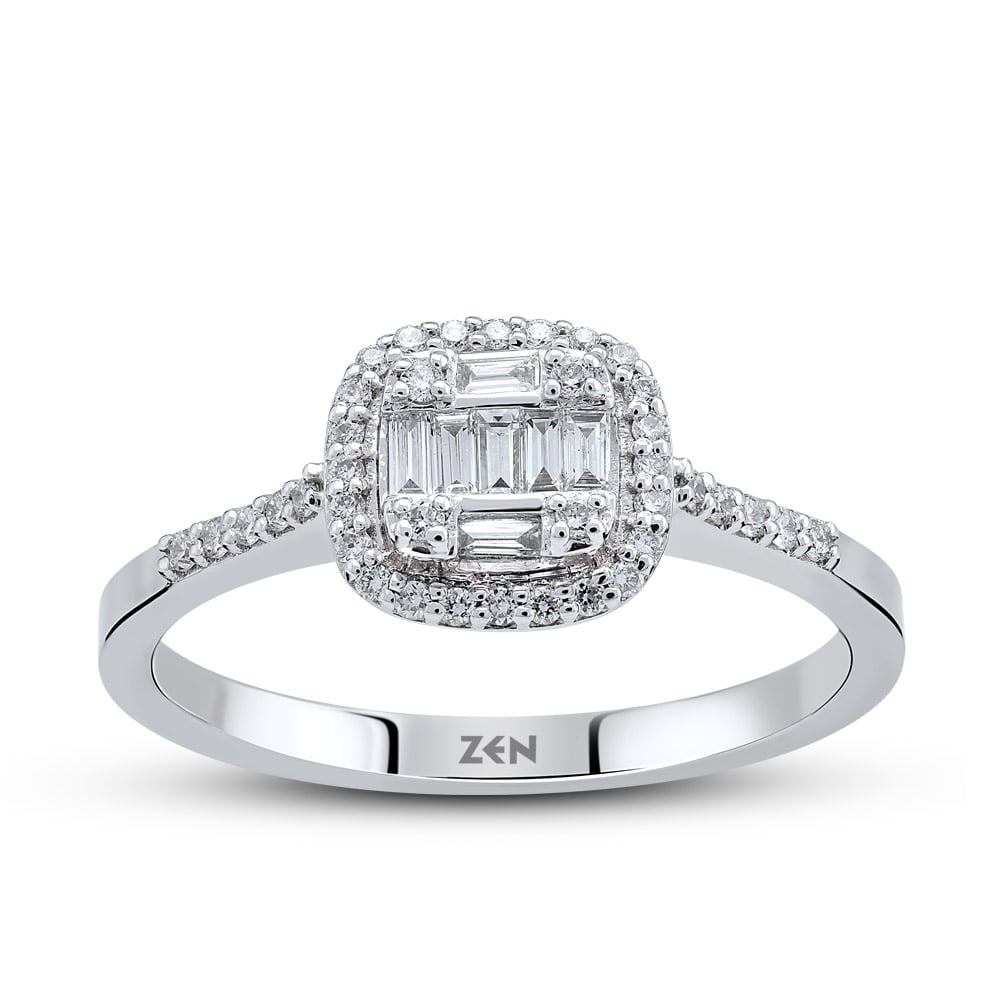
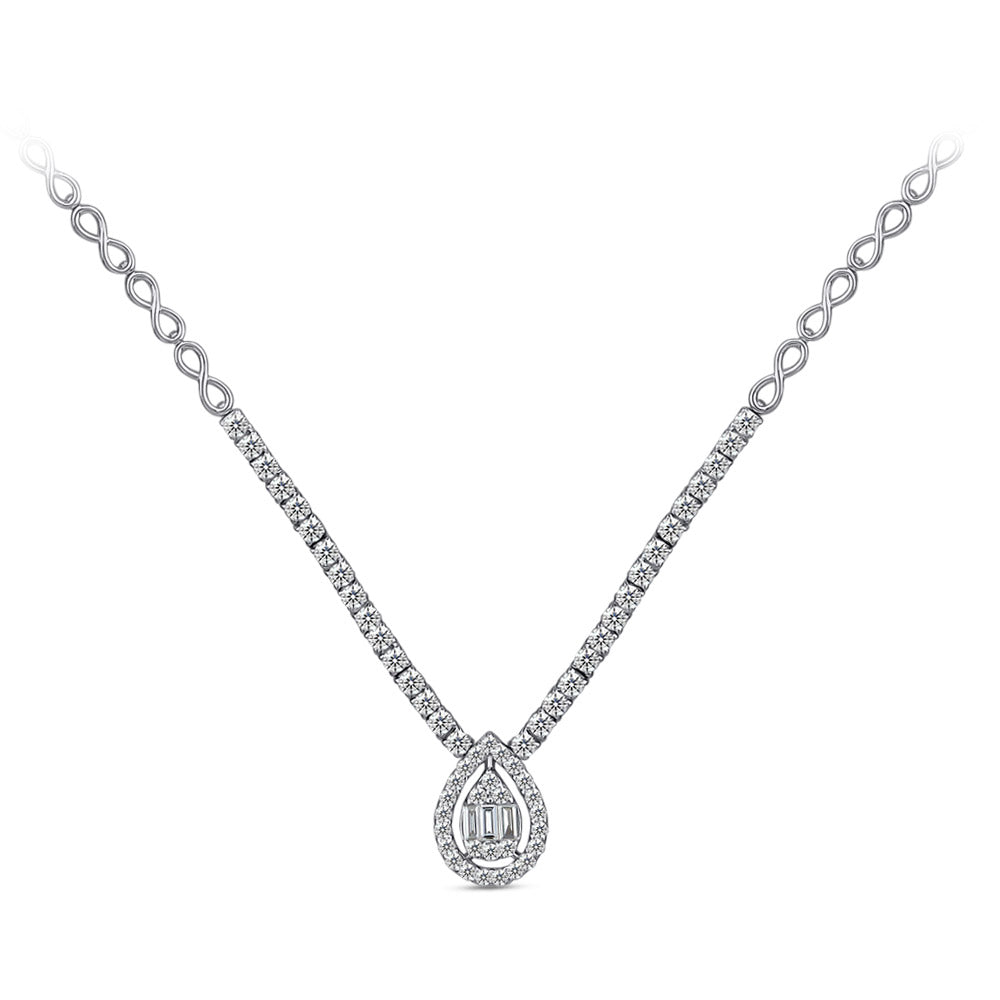
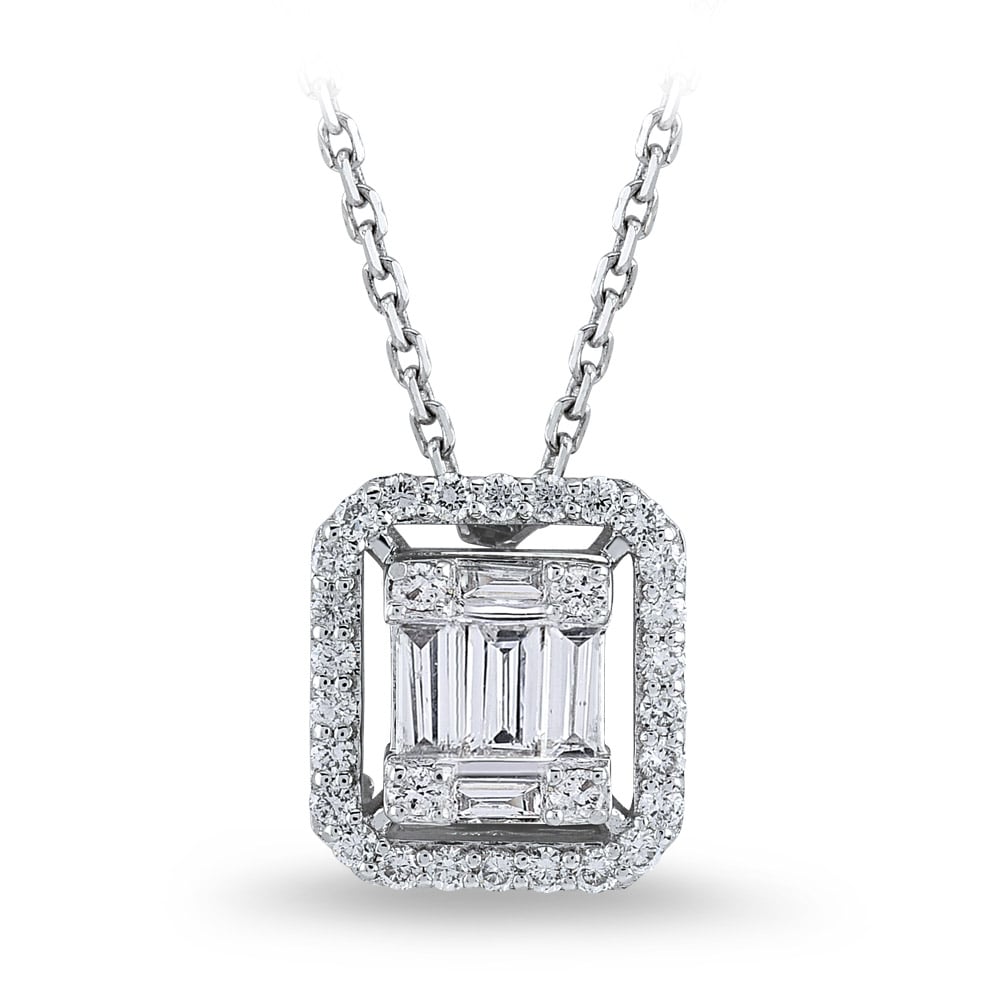
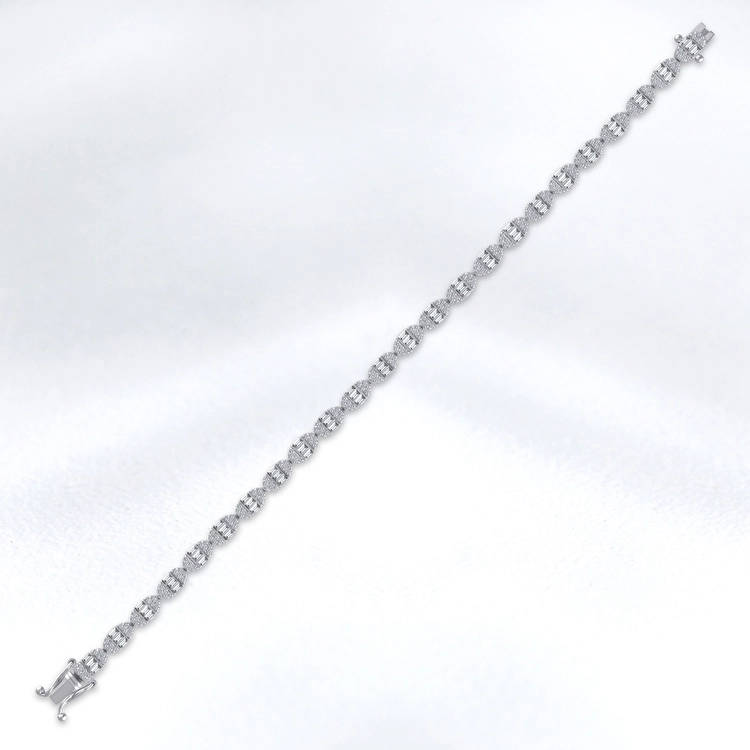
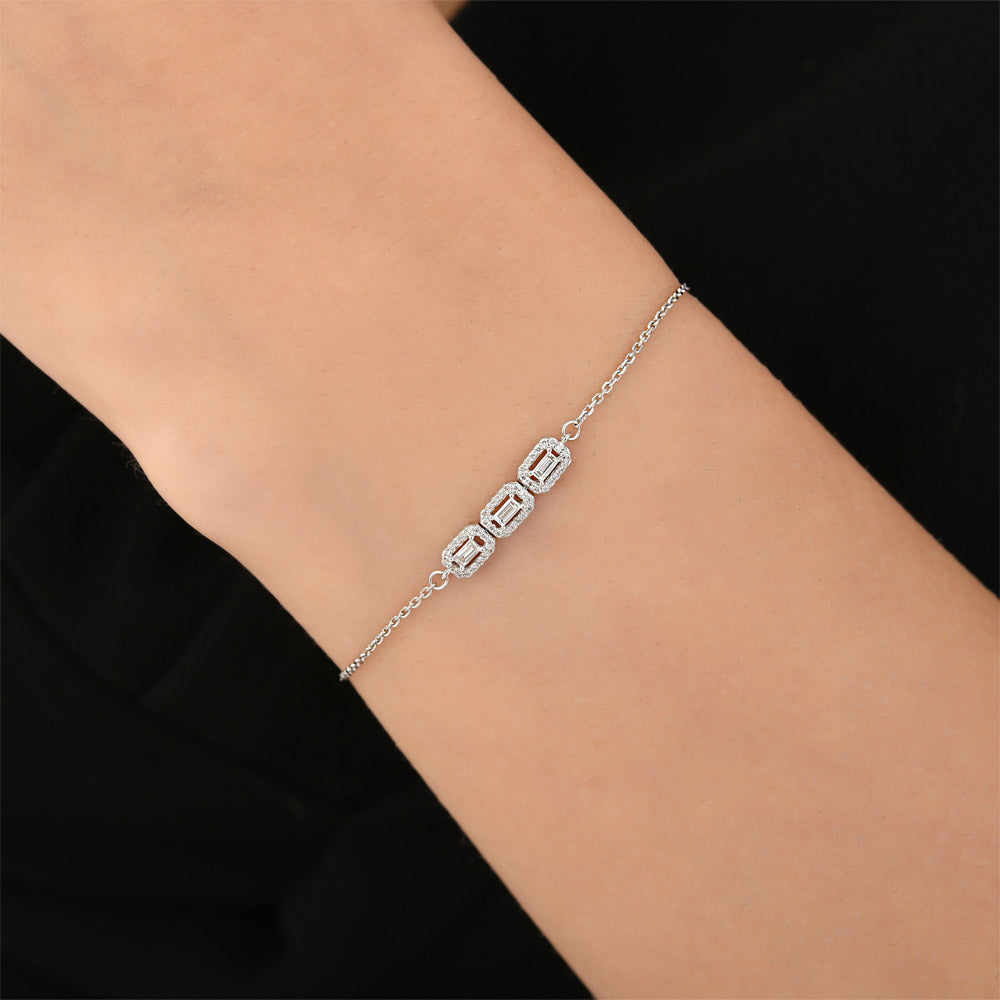
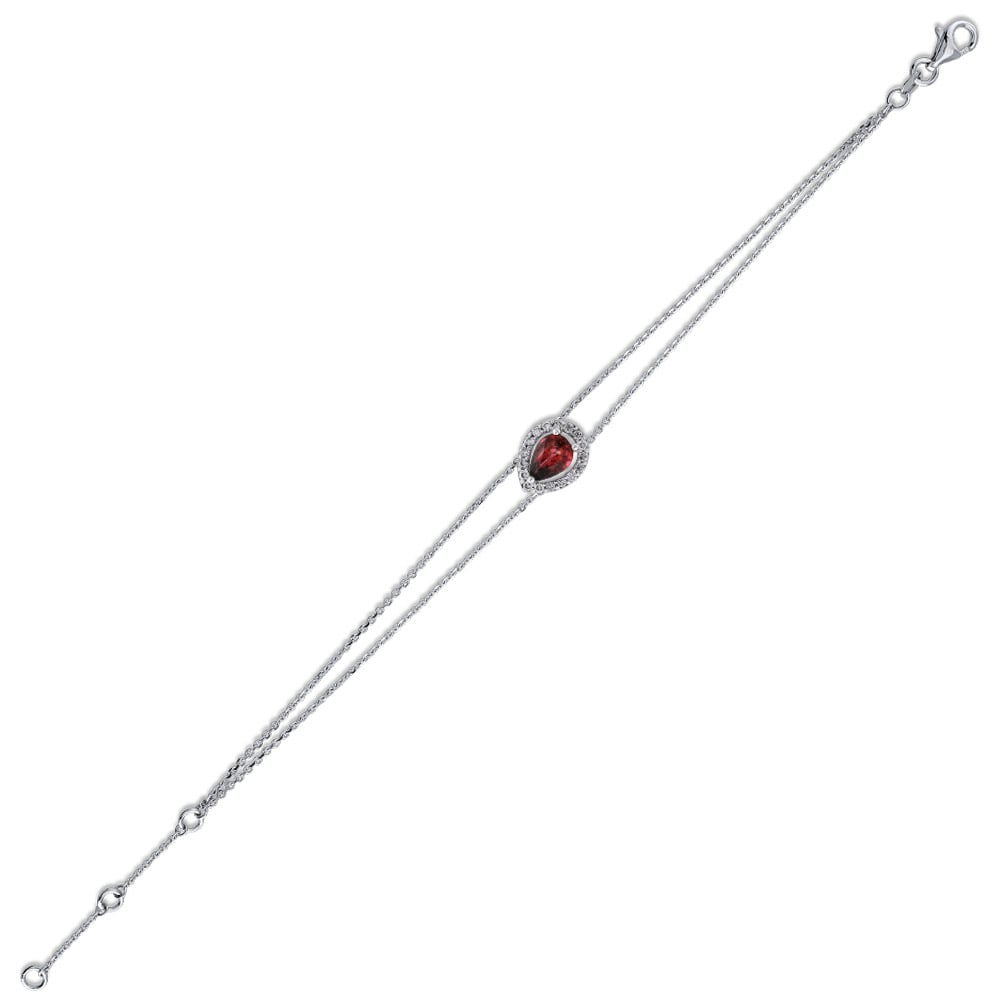
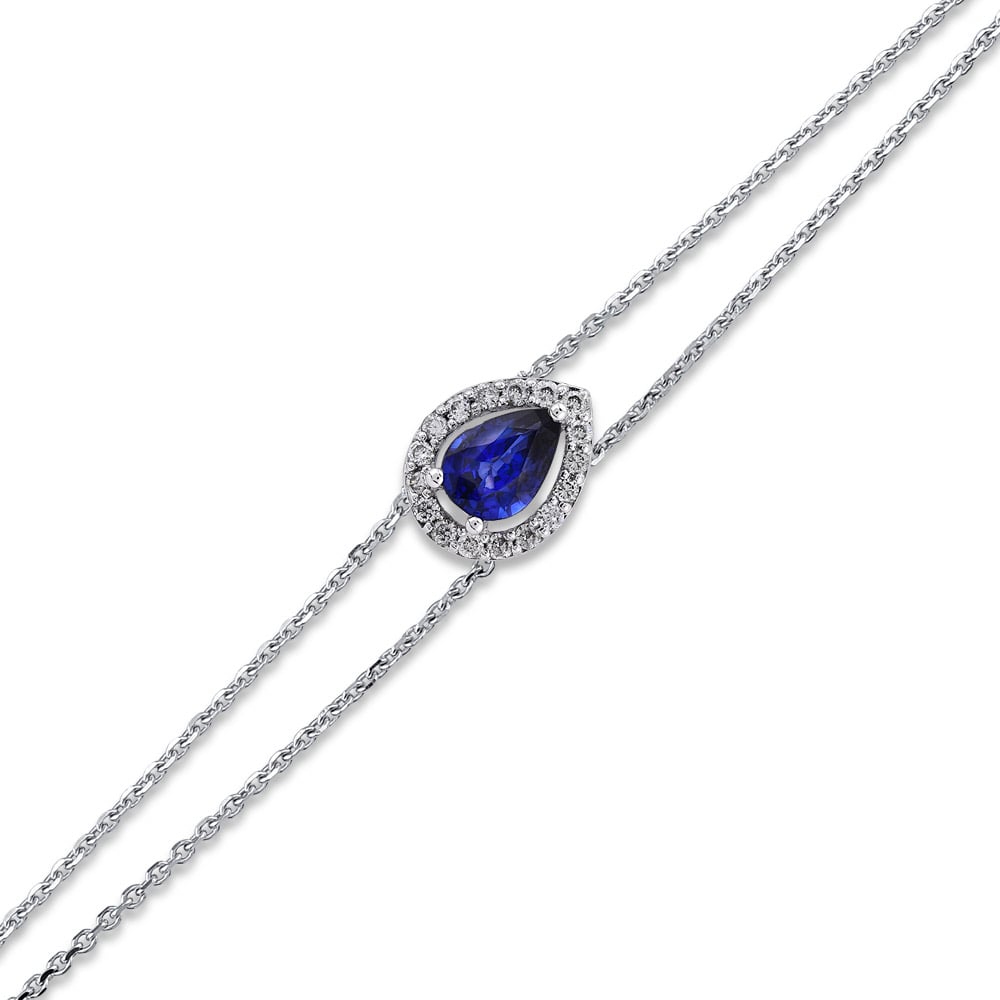
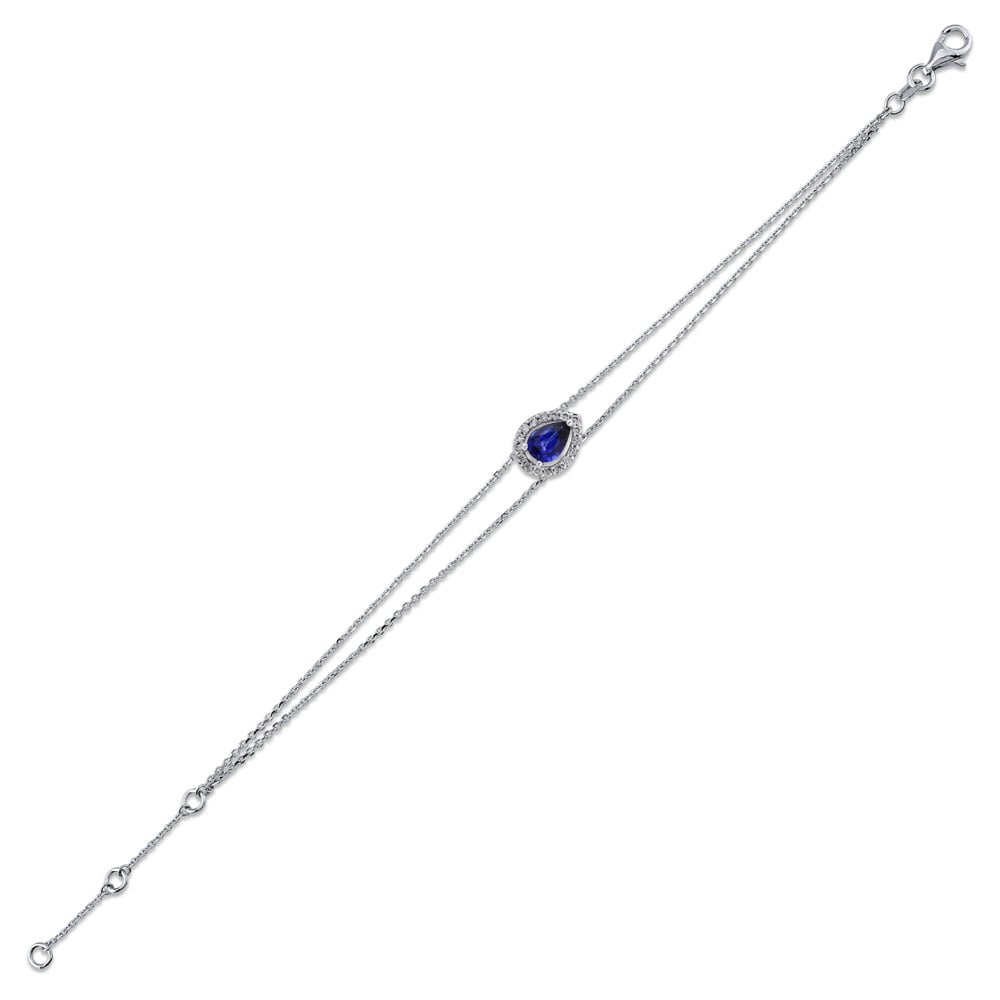
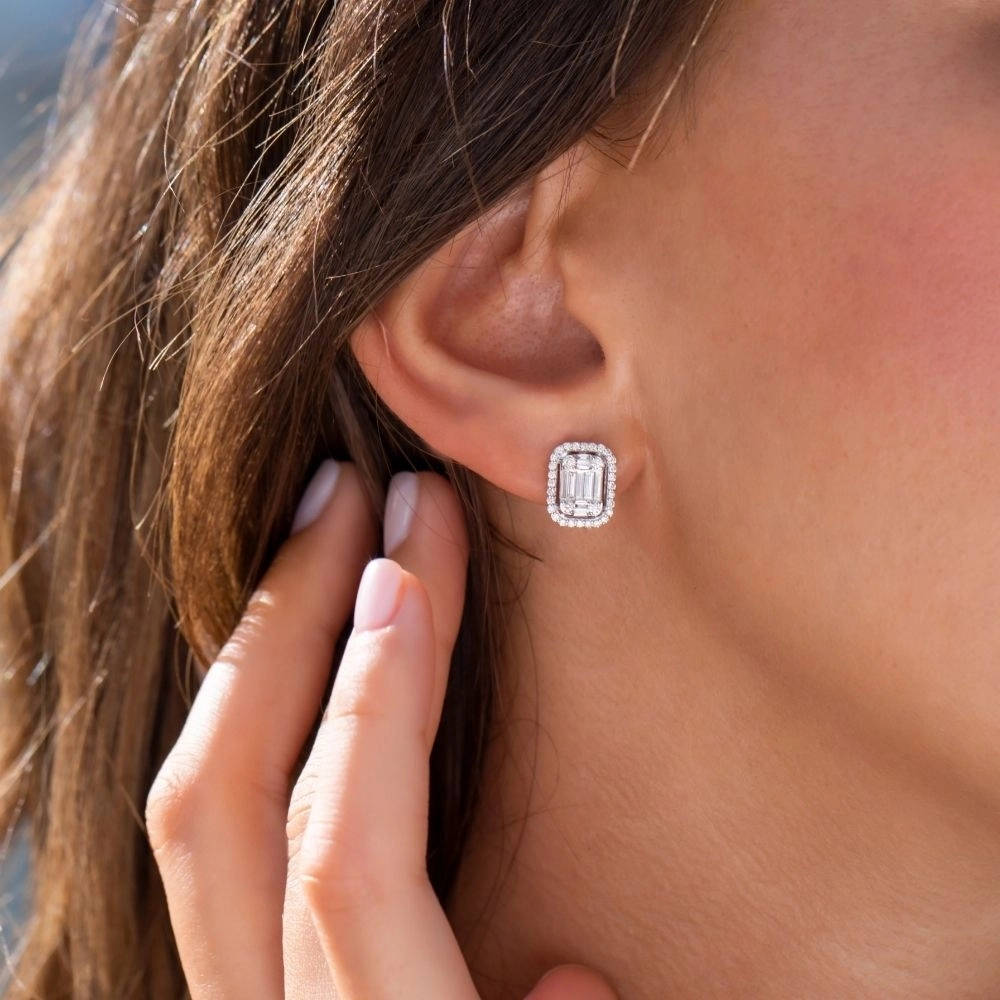
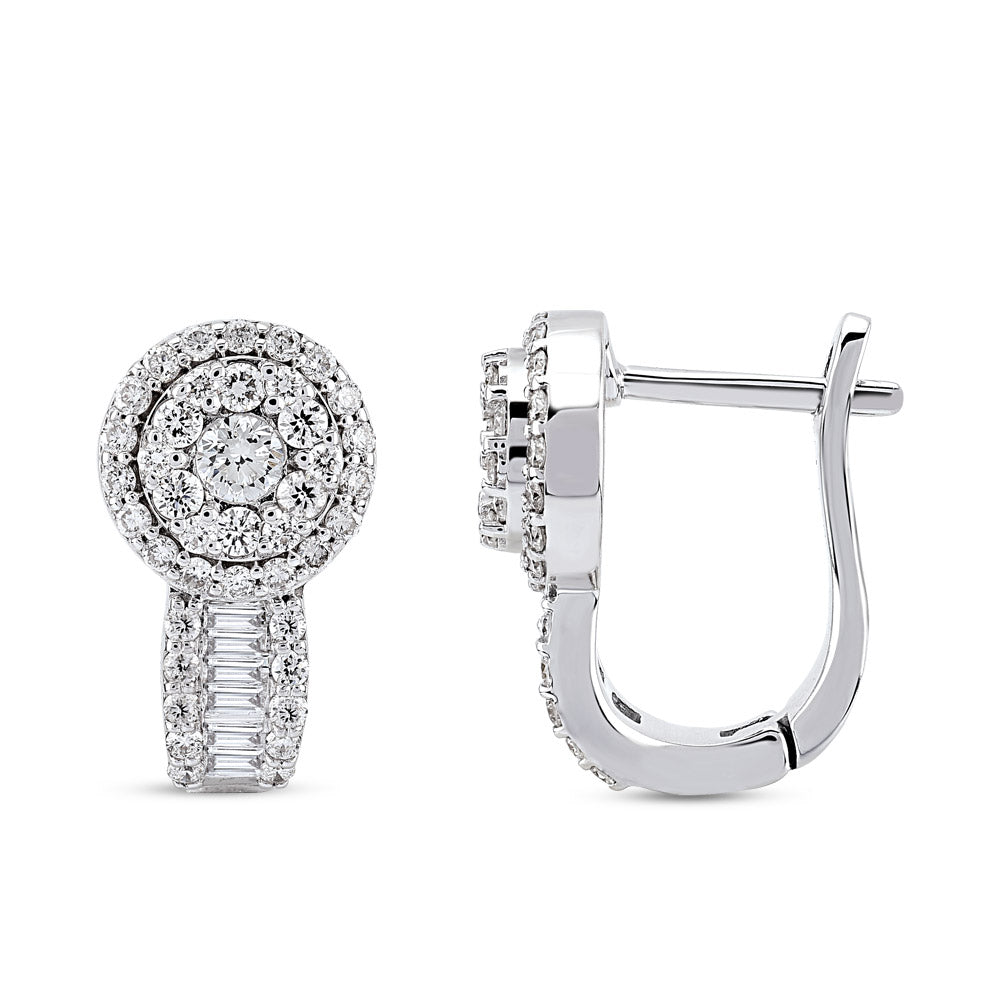
Diamond jewelry comes in many different and elegant shapes, which are particularly diverse today. The round cut is the most common and prized diamond shape. Due to the many facets present in round diamonds, they appear exceptionally brilliant, making them a very popular choice.
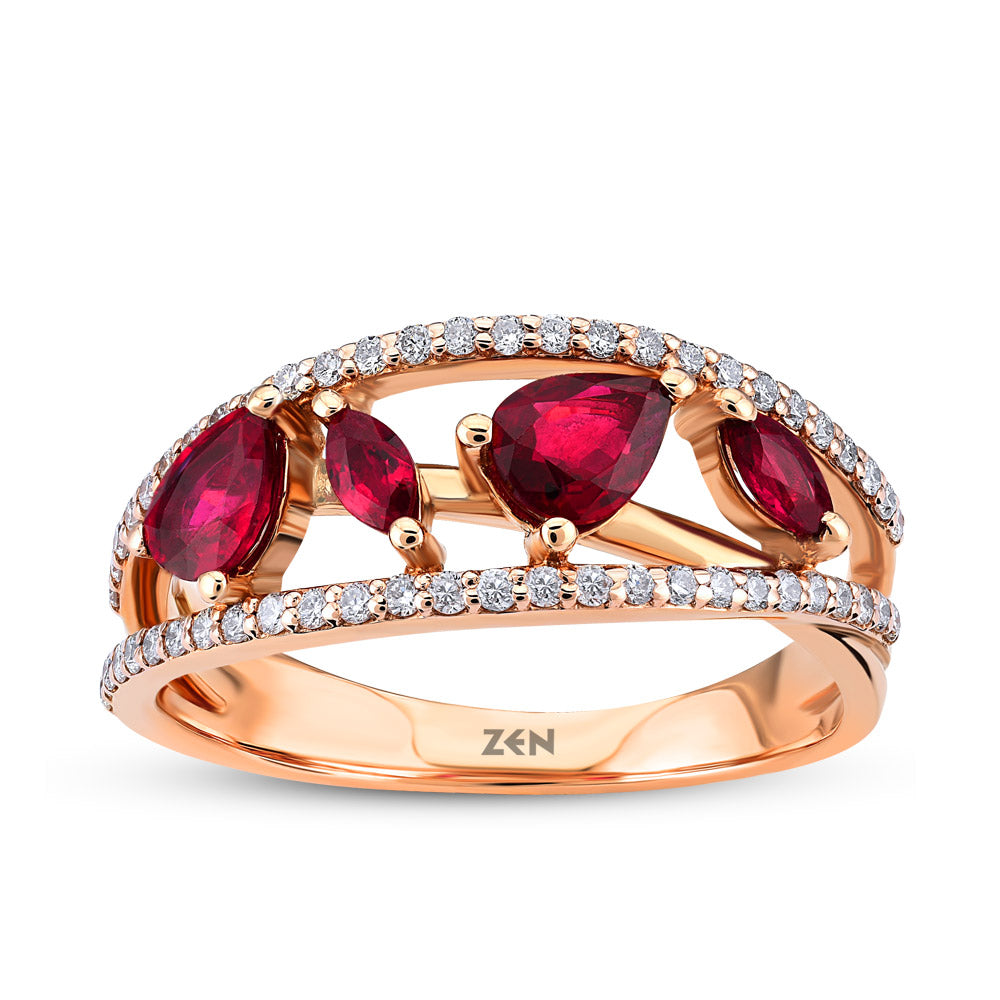
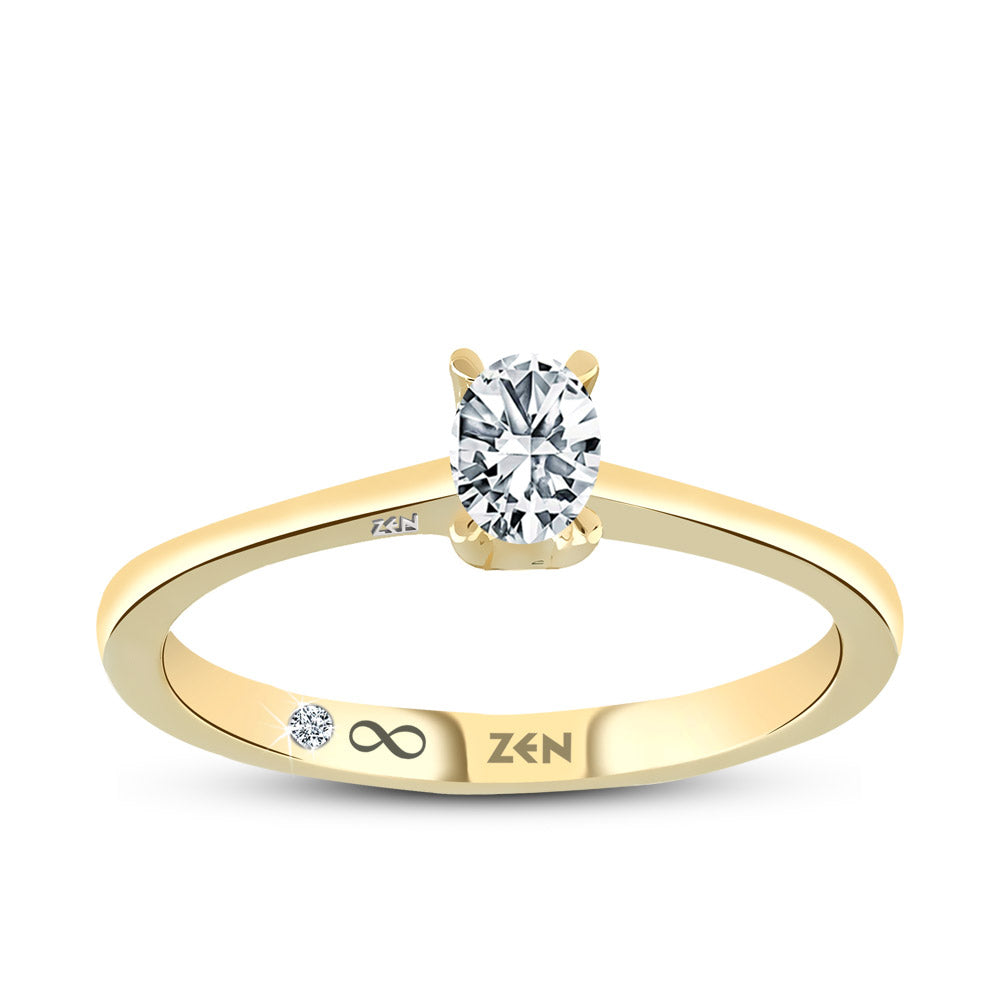
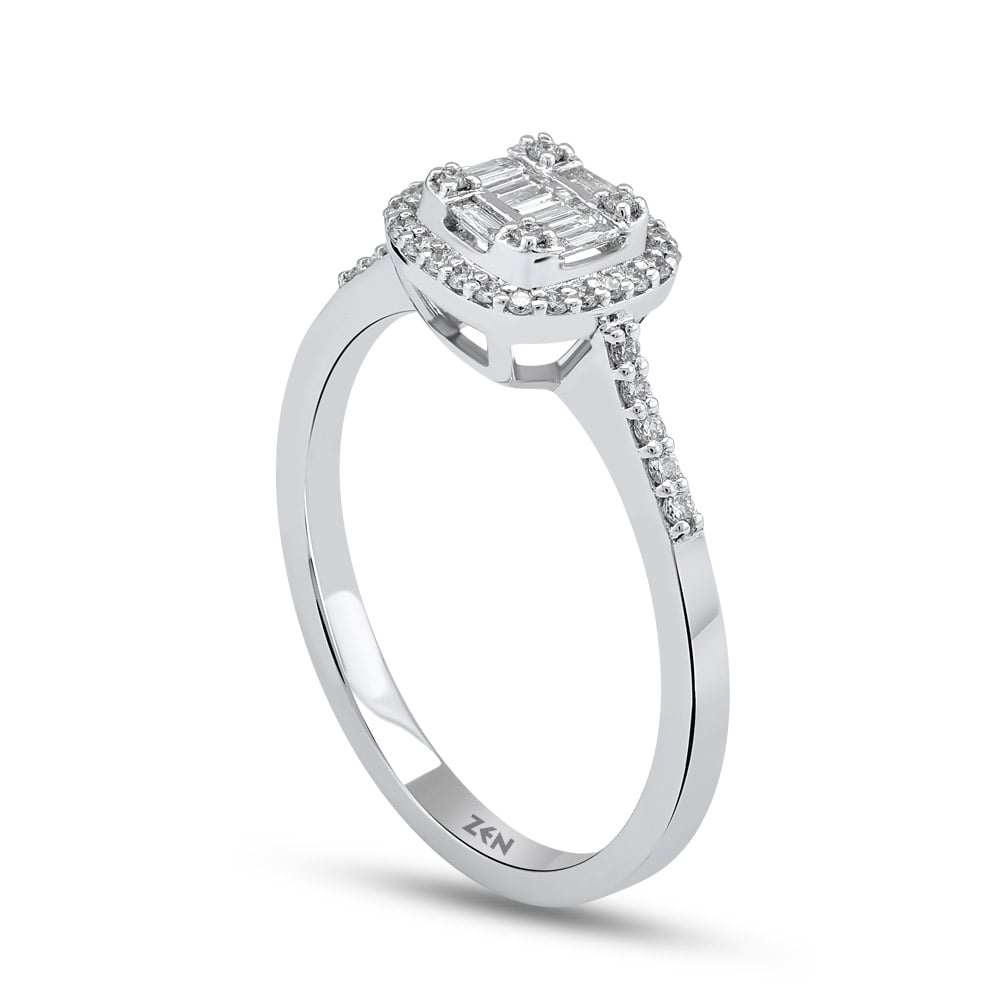
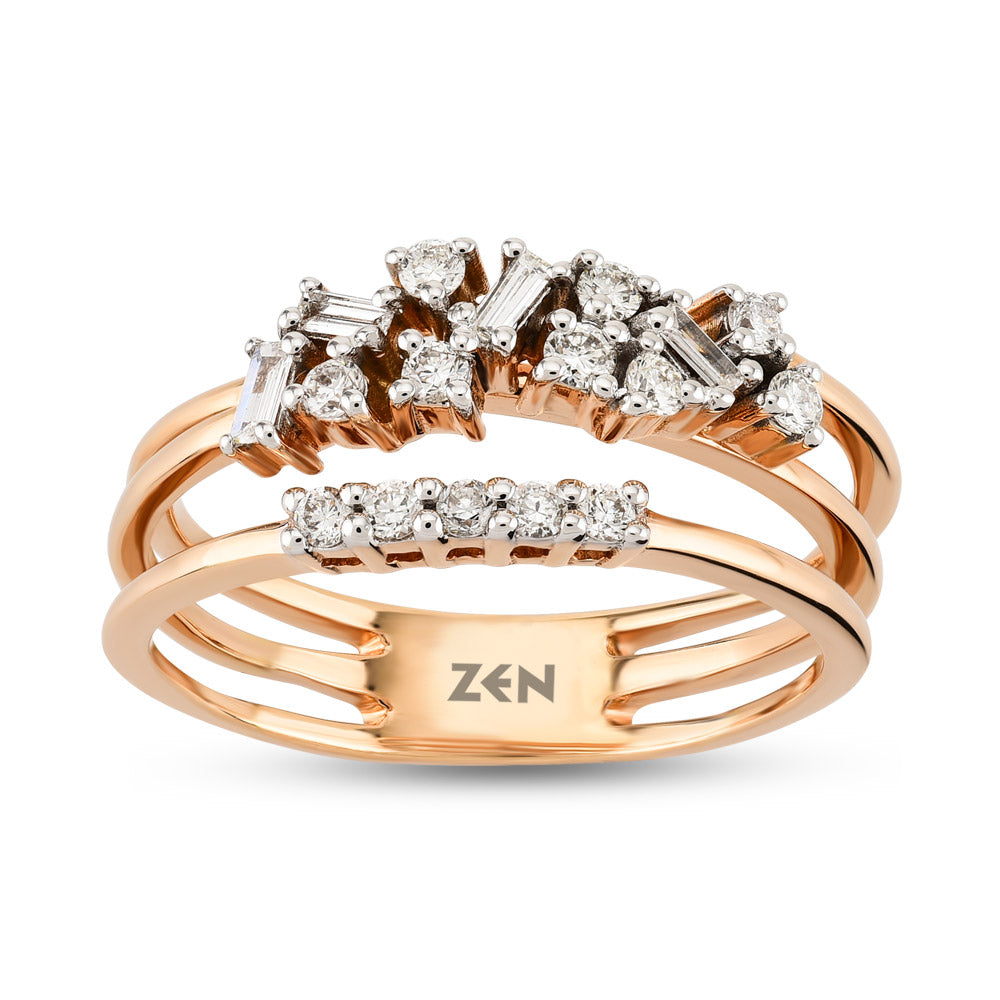
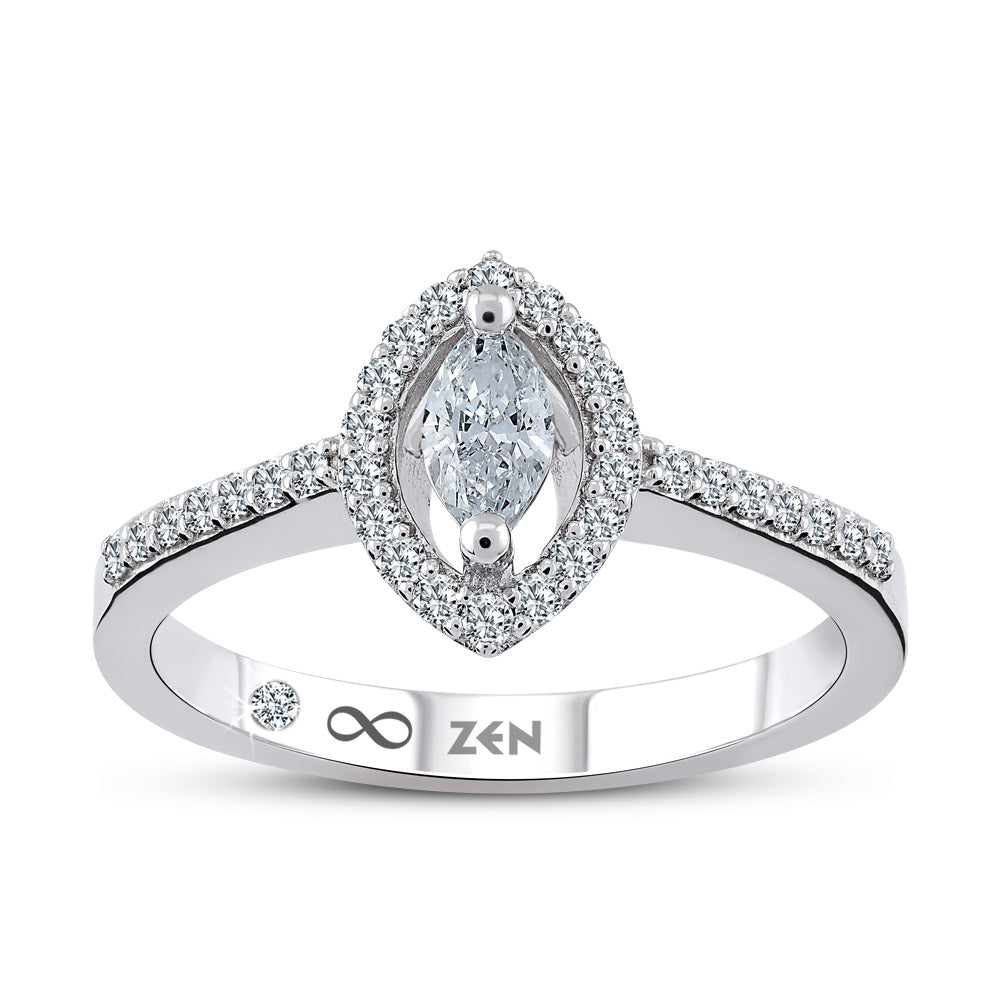
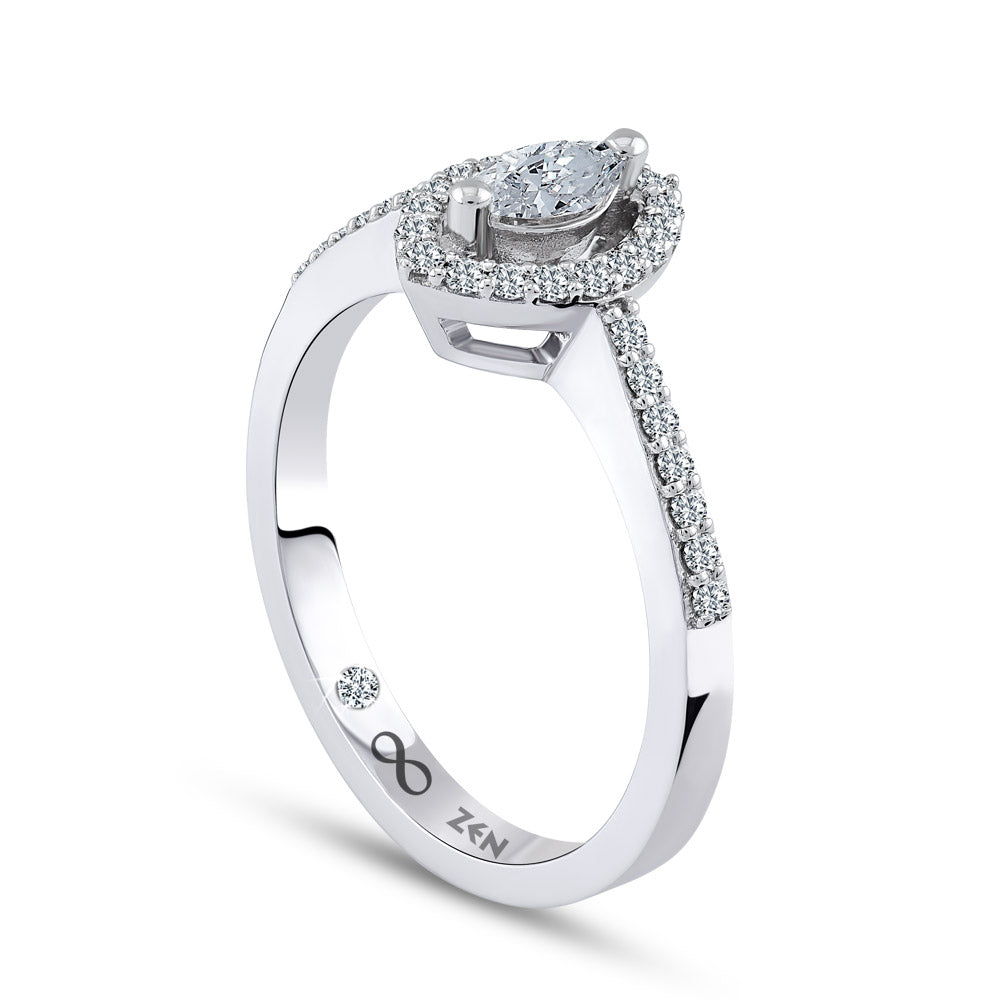
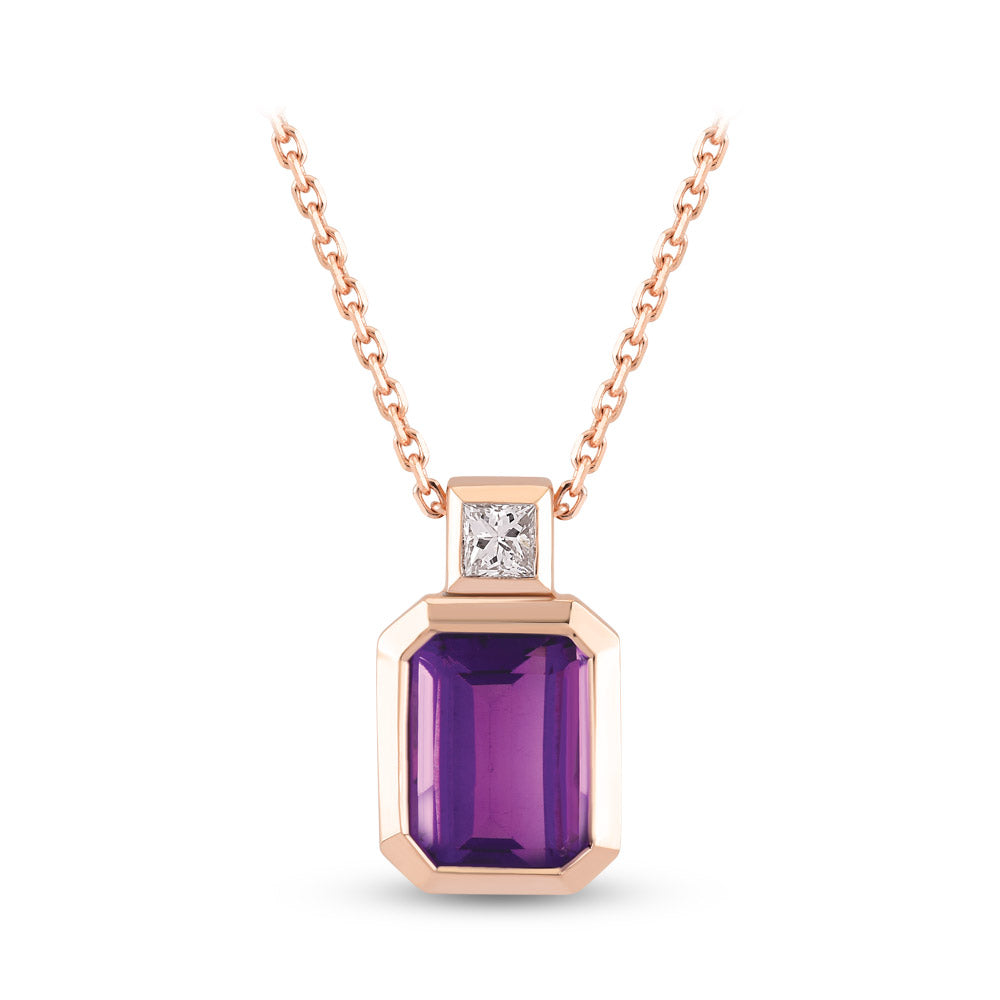
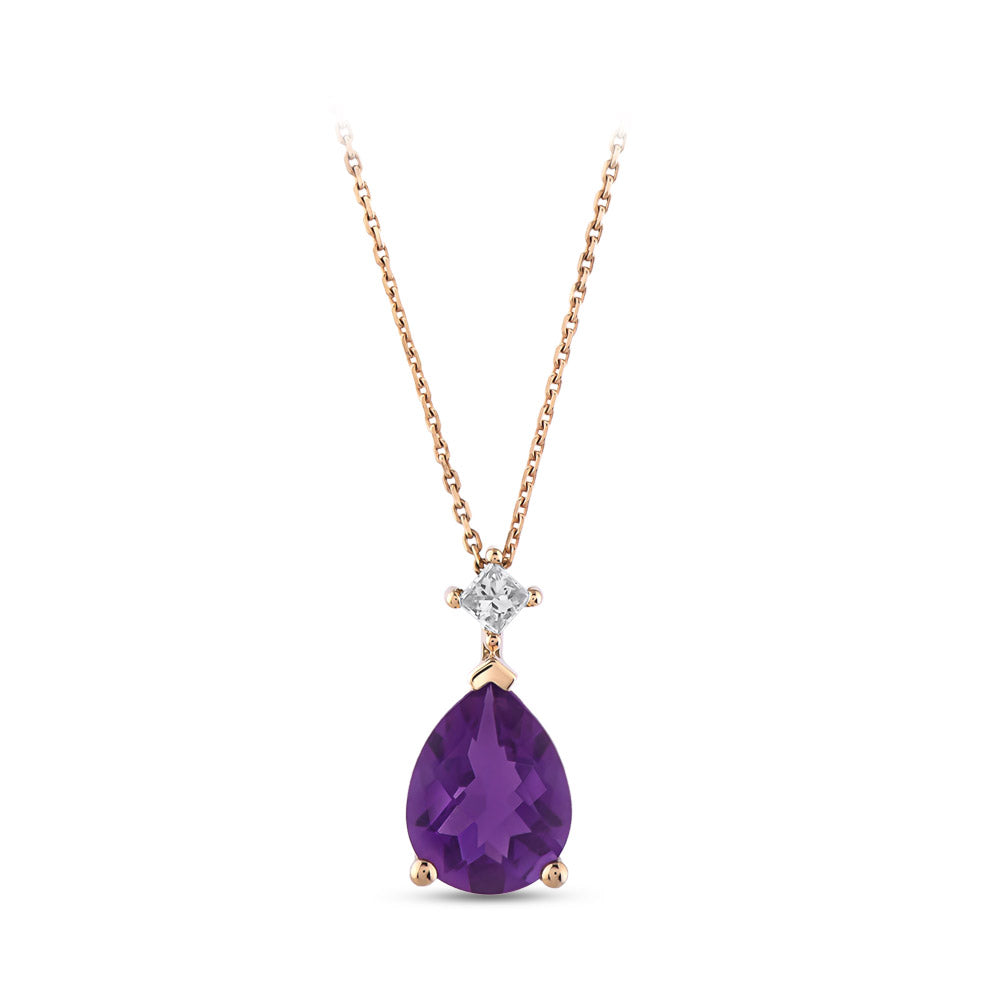
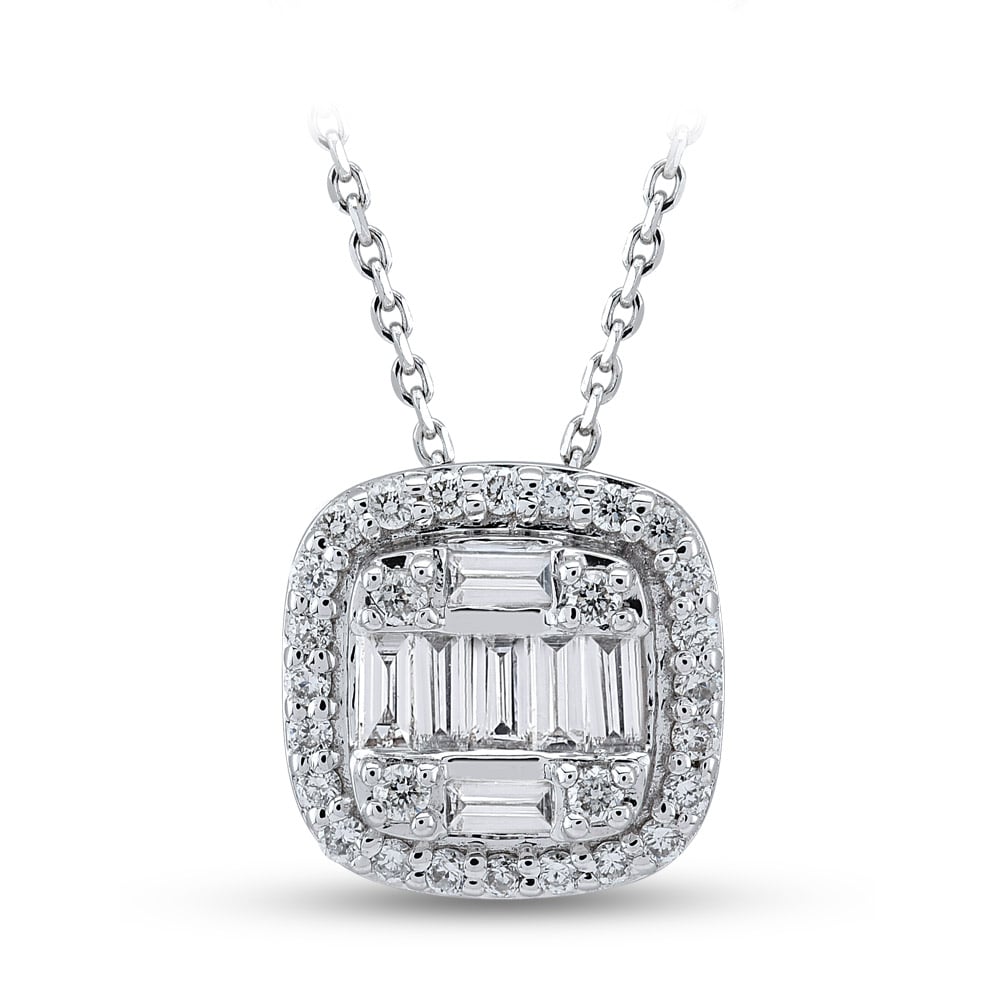
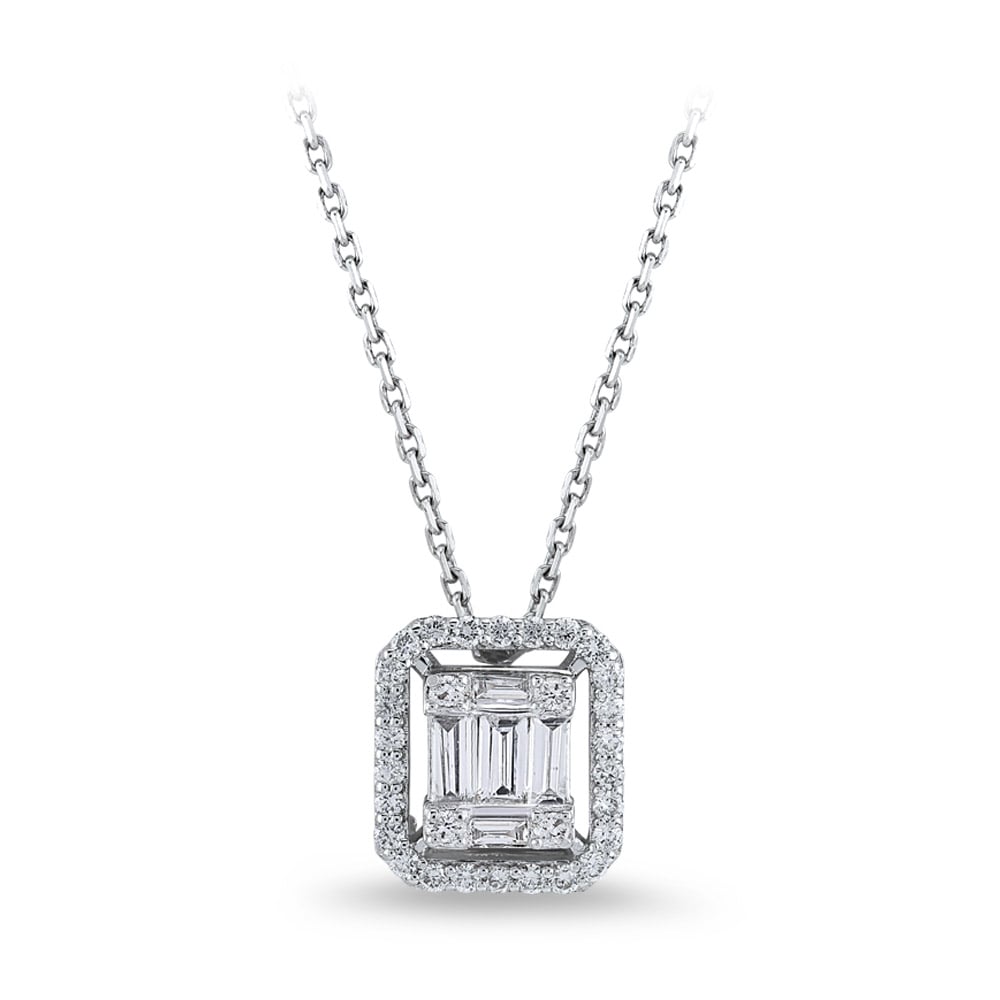
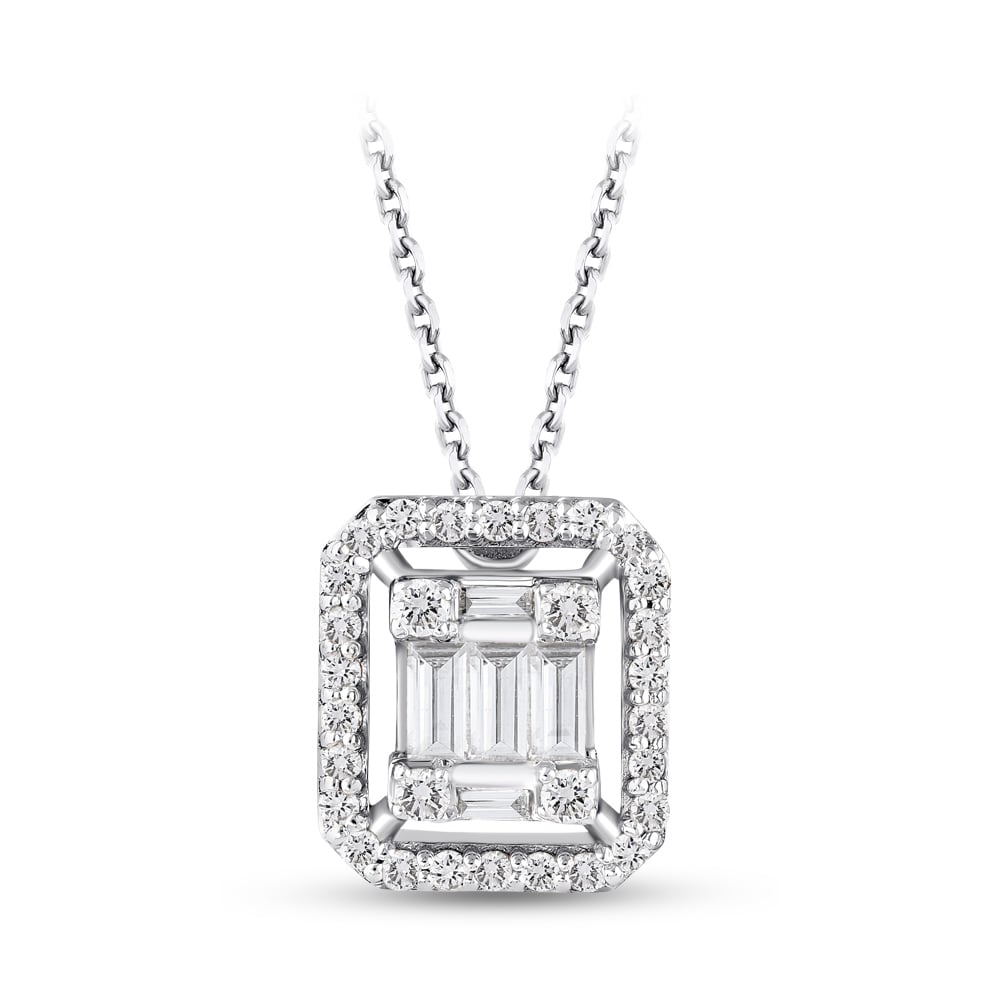
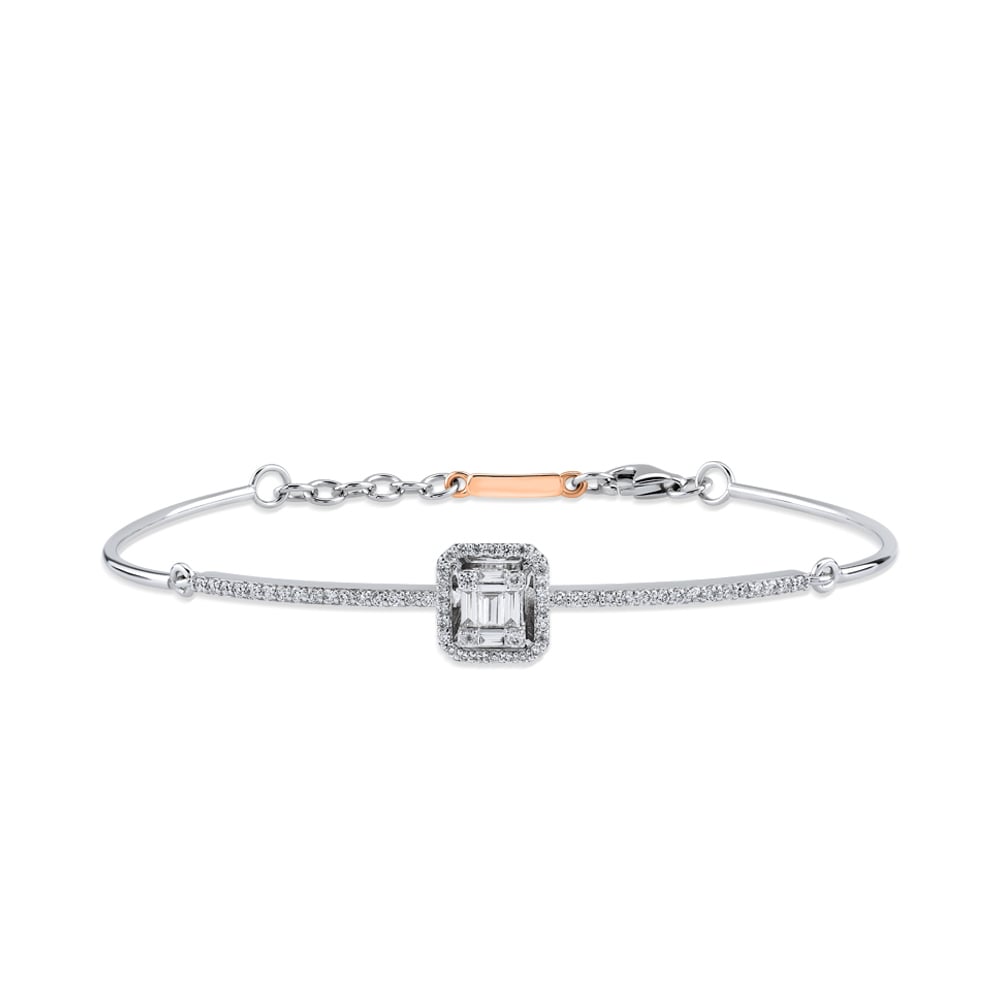
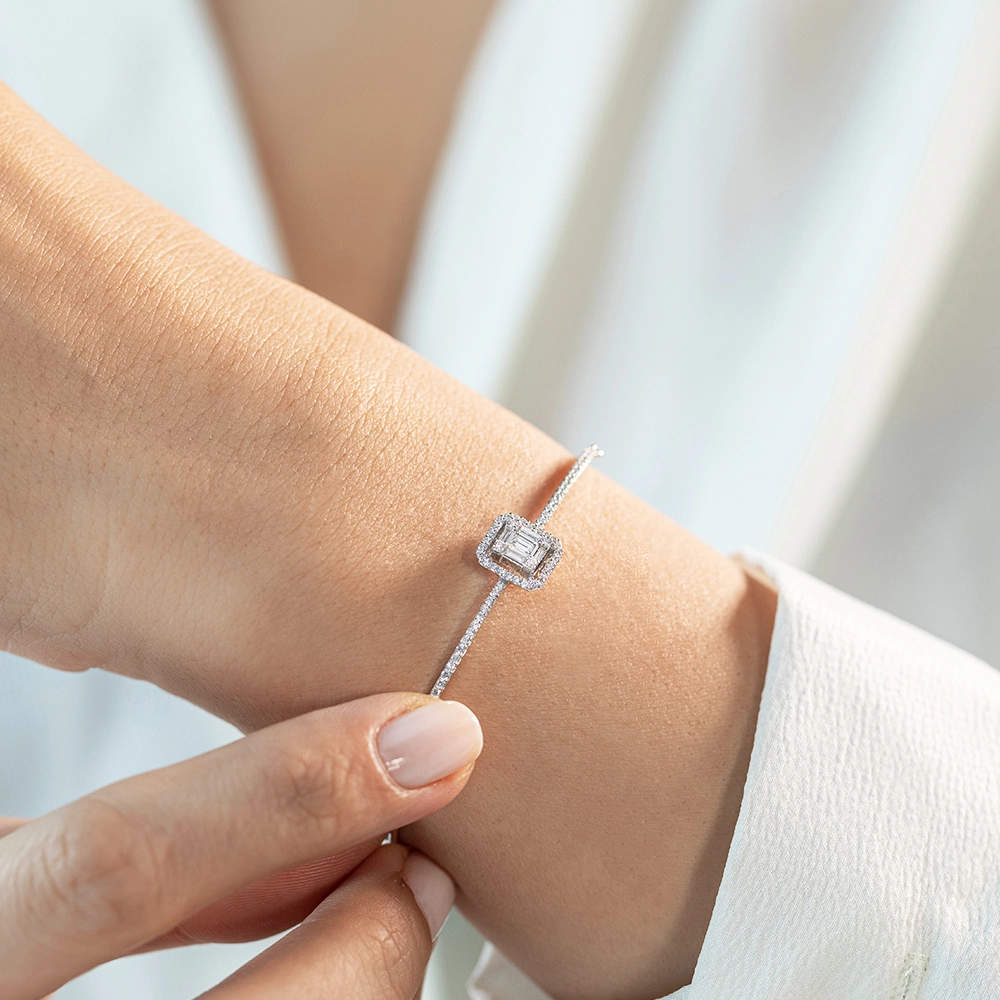
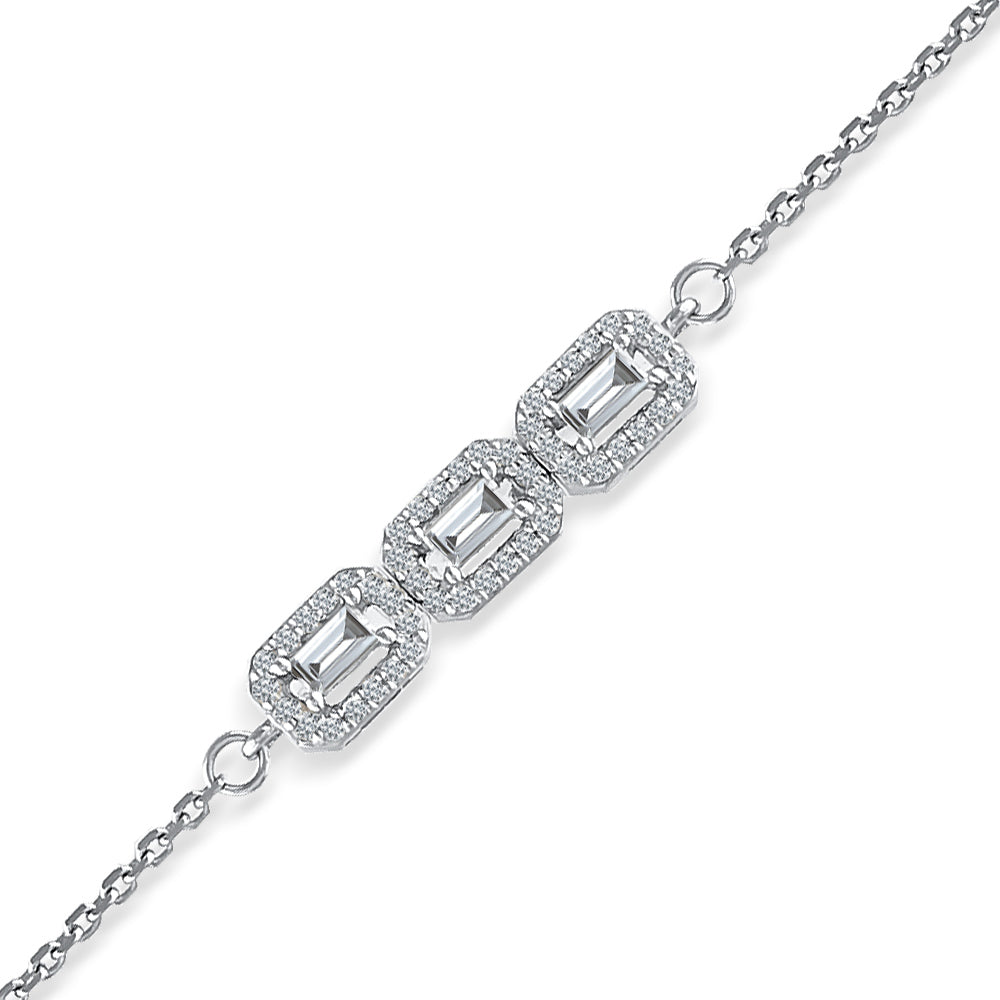
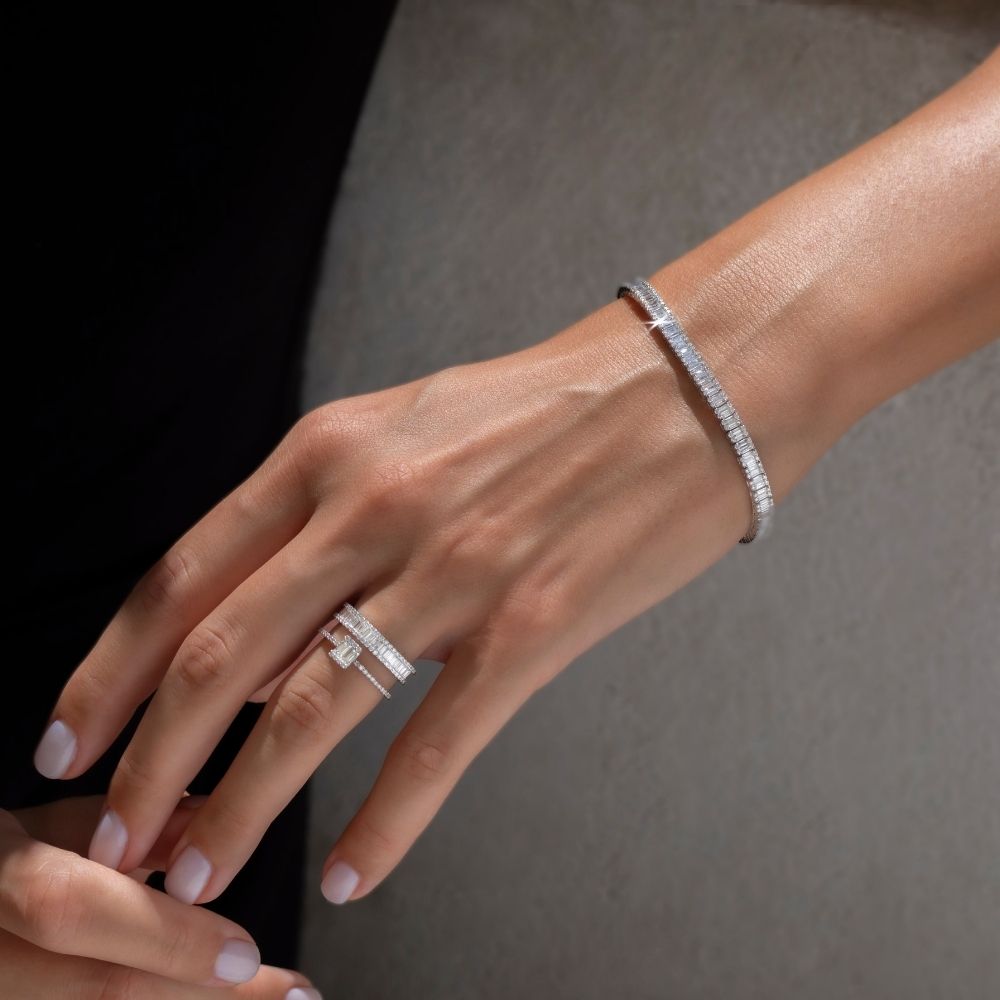
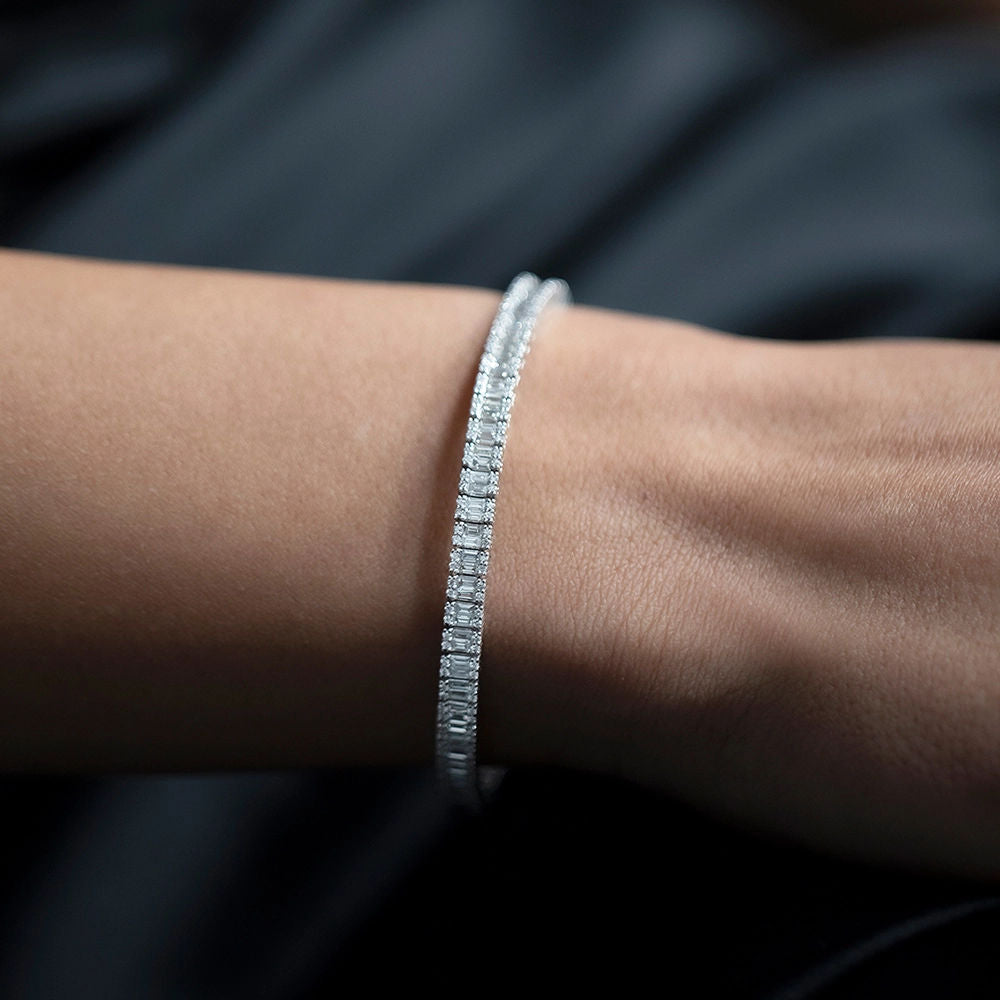
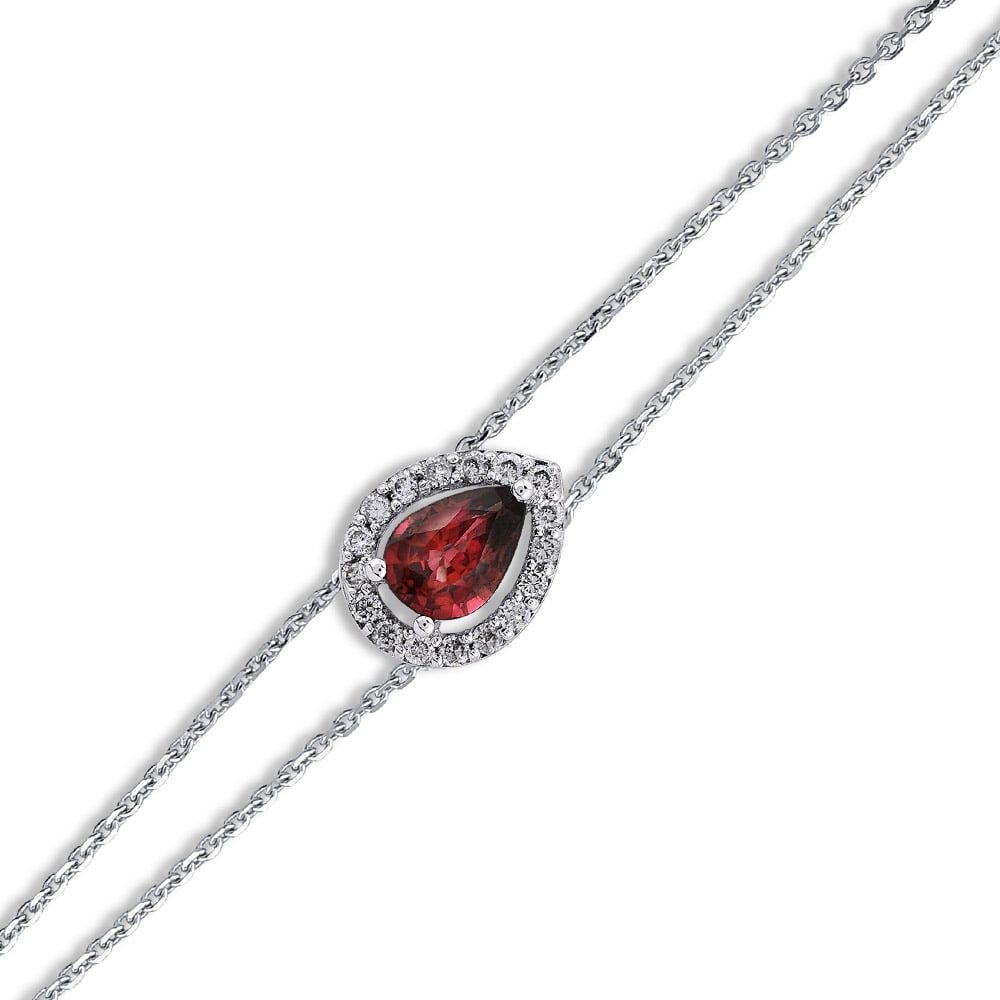
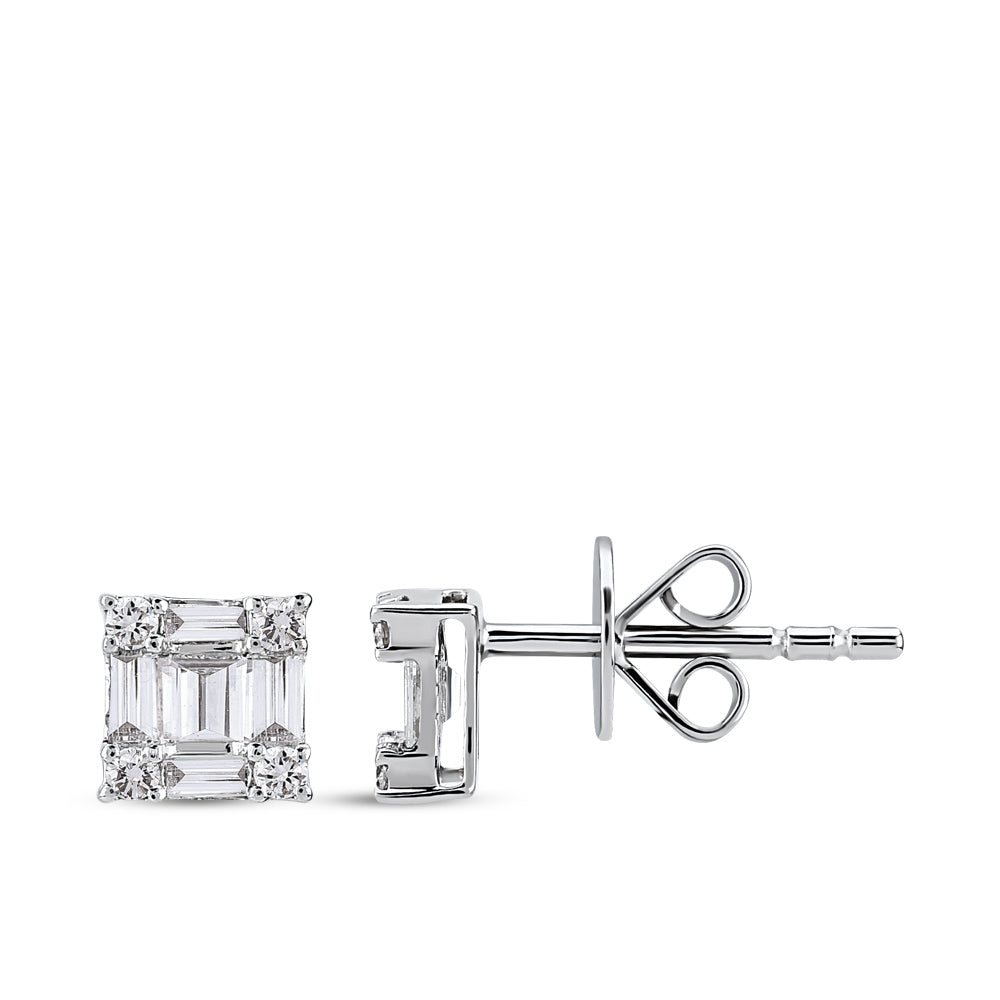
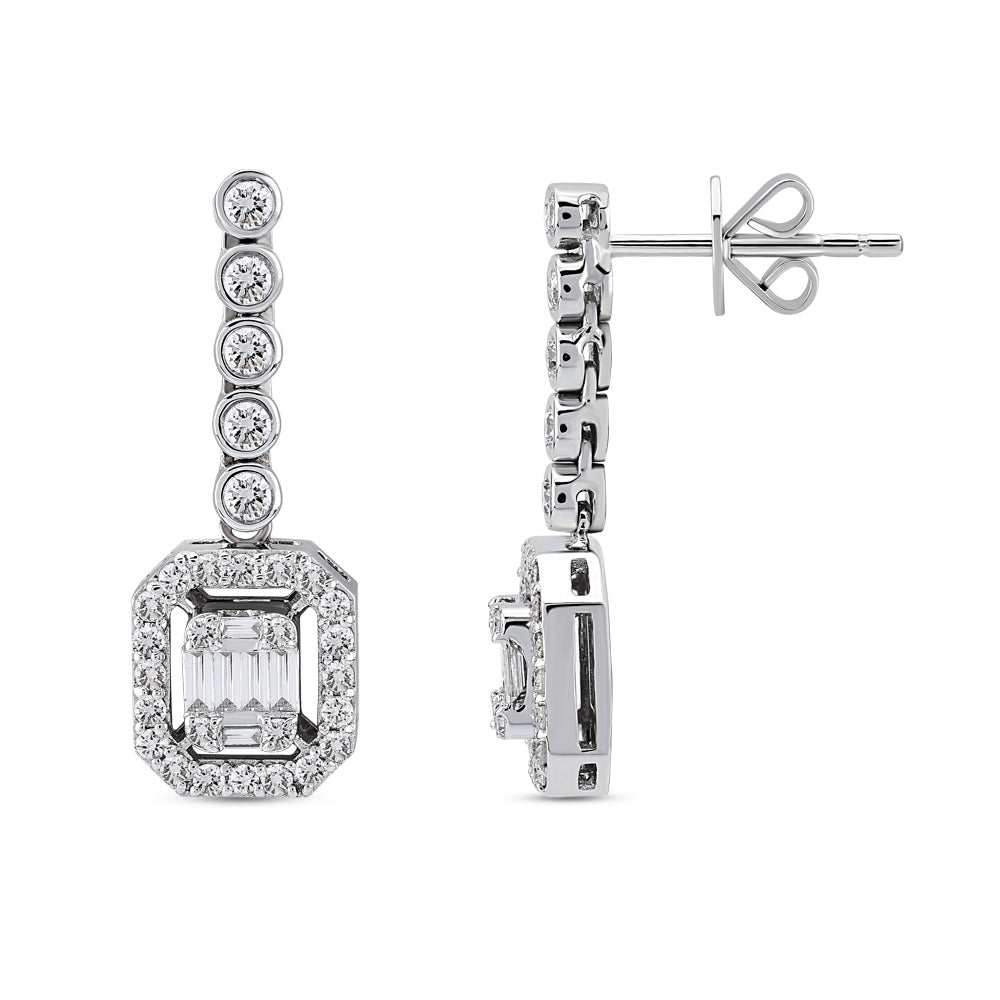
In addition to the round cut, there are numerous fancy cuts that cater to virtually every taste. Some of these, such as the marquise, pear, and heart cuts, are modified forms of the round brilliant. Other cuts, such as square or rectangular shapes as well as the emerald cut, offer a broader variety of styles.
When selecting your diamond, you should choose the shape and cut that best fits your personal taste.
Another Crucial Feature: Fluorescence
Some diamonds can emit a slight blue glow under UV rays from sunlight. This is often an unwanted characteristic.
To find out how strongly a diamond fluoresces, you should check the diamond's laboratory report. Gemological laboratories, such as HRD Antwerp, classify diamond fluorescence into four levels: none, slight, medium, or strong.
And Most Importantly: Certification
The safest way to buy a diamond is to purchase one that comes with a certificate issued by a trusted gemological laboratory. Renowned gemological laboratories include the Gemological Institute of America (GIA), the Hoge Raad voor Diamant (HRD), and the International Gemological Institute (IGI).
These certificates confirm the essential characteristics of the diamond—such as cut, color, clarity, and weight—guaranteeing its quality. They not only protect the buyer's investment but also help preserve the value of the diamond over time.
Before purchasing such a valuable and meaningful piece of jewelry, you should always check the certificates provided by the jeweler and conduct thorough research!