
How Is the Price of a Diamond Determined?
There are several key factors that determine the value and price of diamonds.
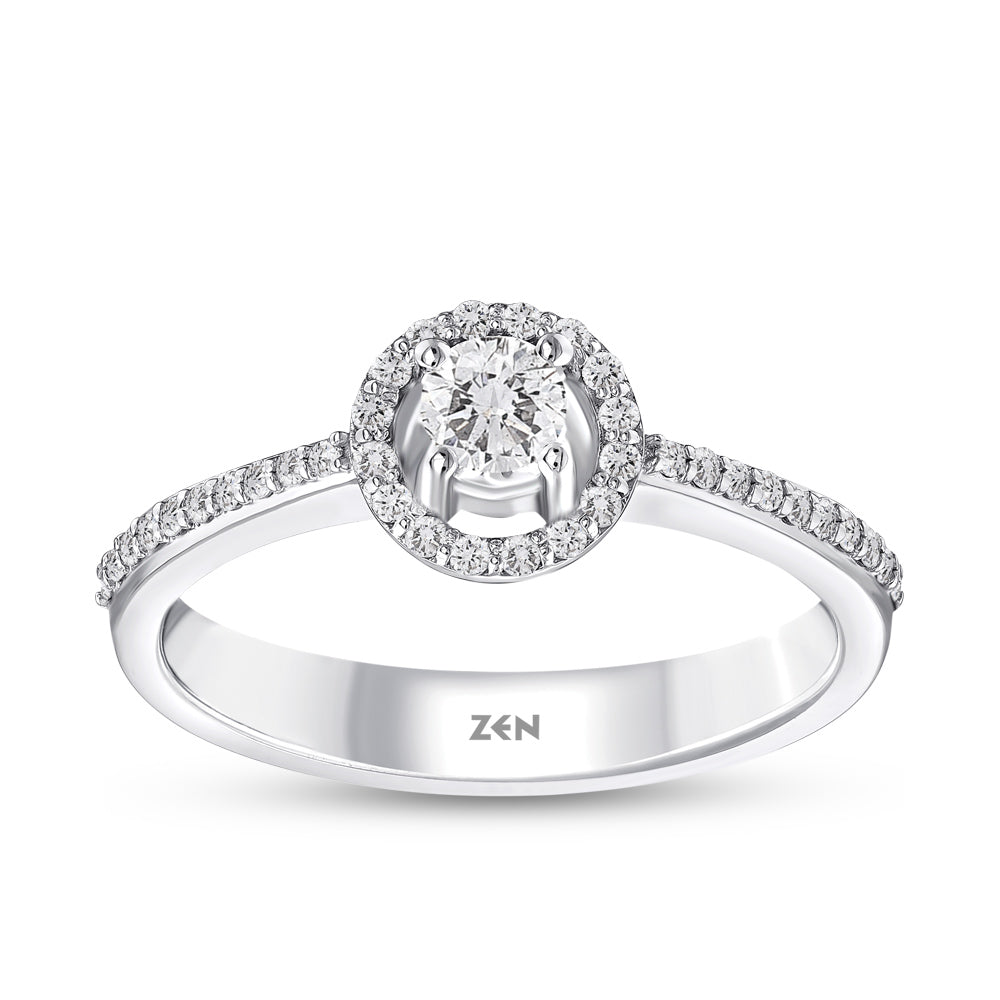
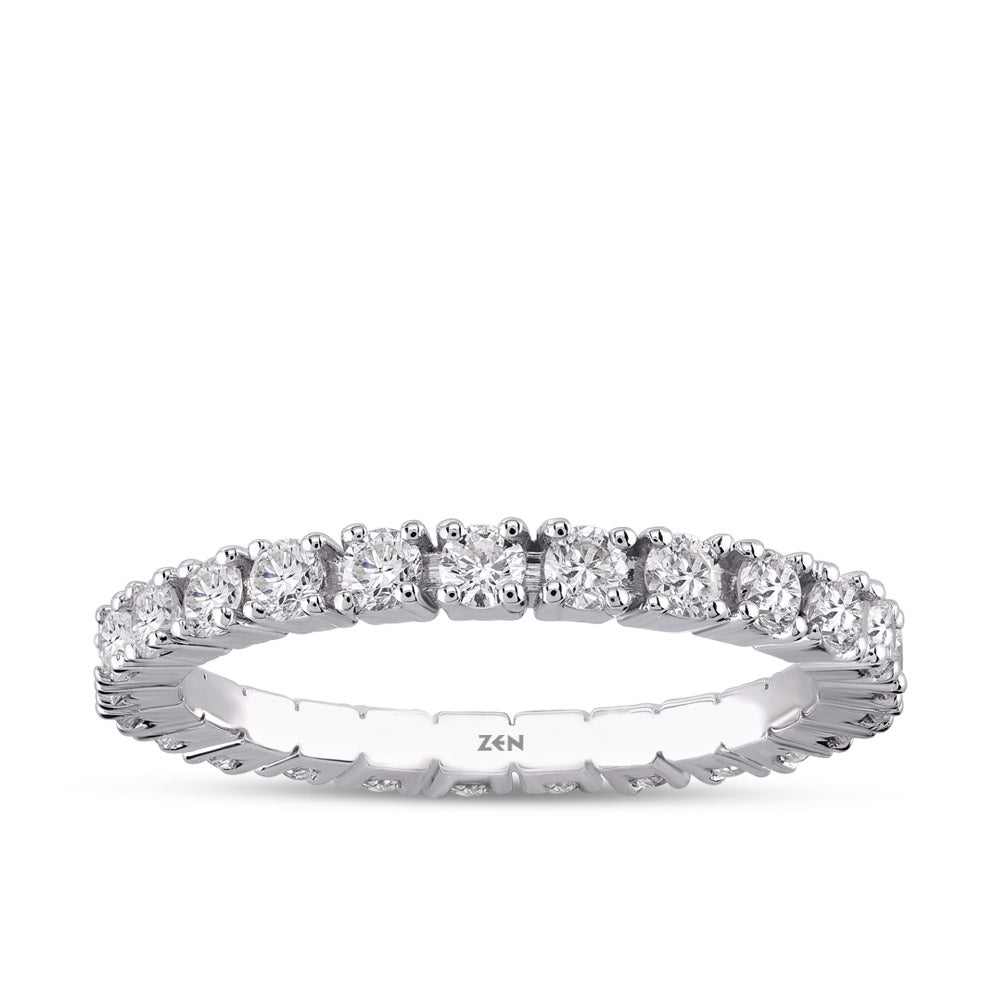
While diamonds are evaluated according to carat, cut, color, and clarity, the value of a diamond ring is also determined by the metal from which the jewelry is crafted and the quality of that metal. For instance, the value of a diamond-set 14-karat gold ring depends on the market price of the gold setting itself. In short, when determining the value of a piece of diamond jewelry, both the type and purity level of the metal used in its creation, as well as the diamond itself, are taken into account.
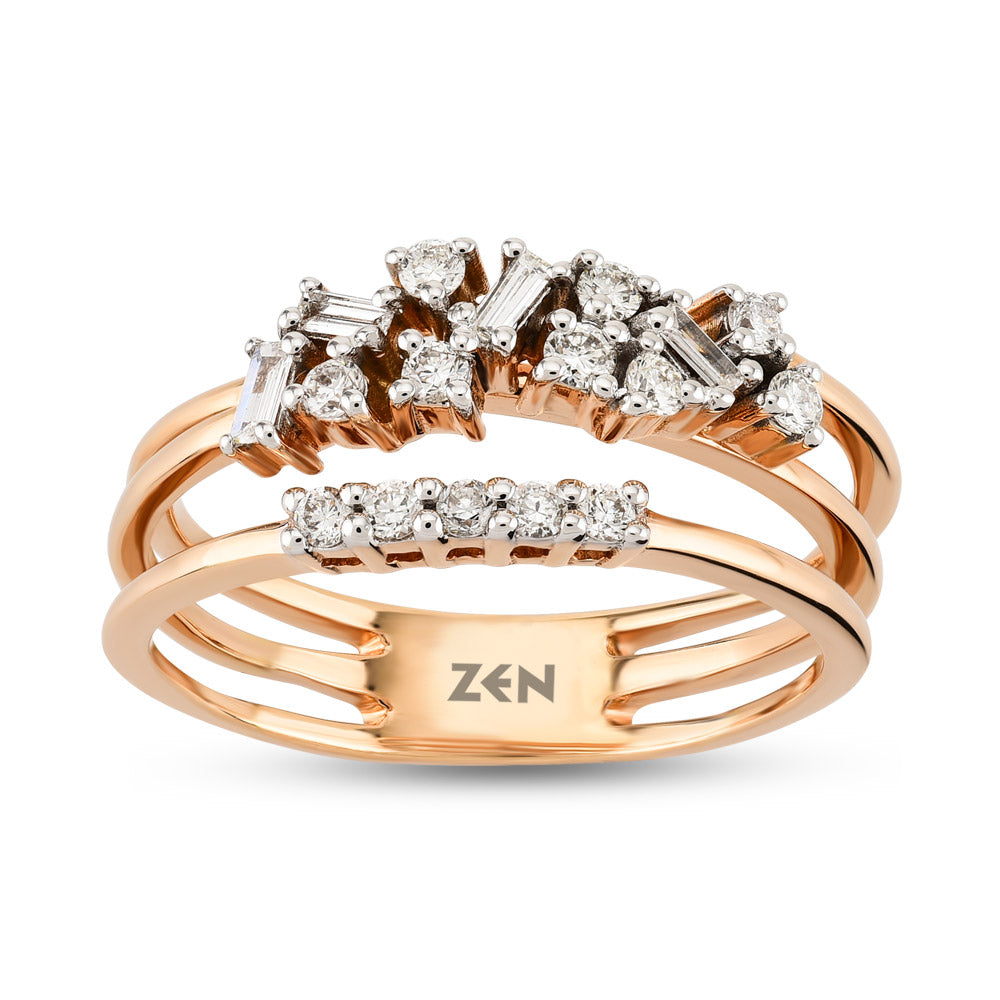
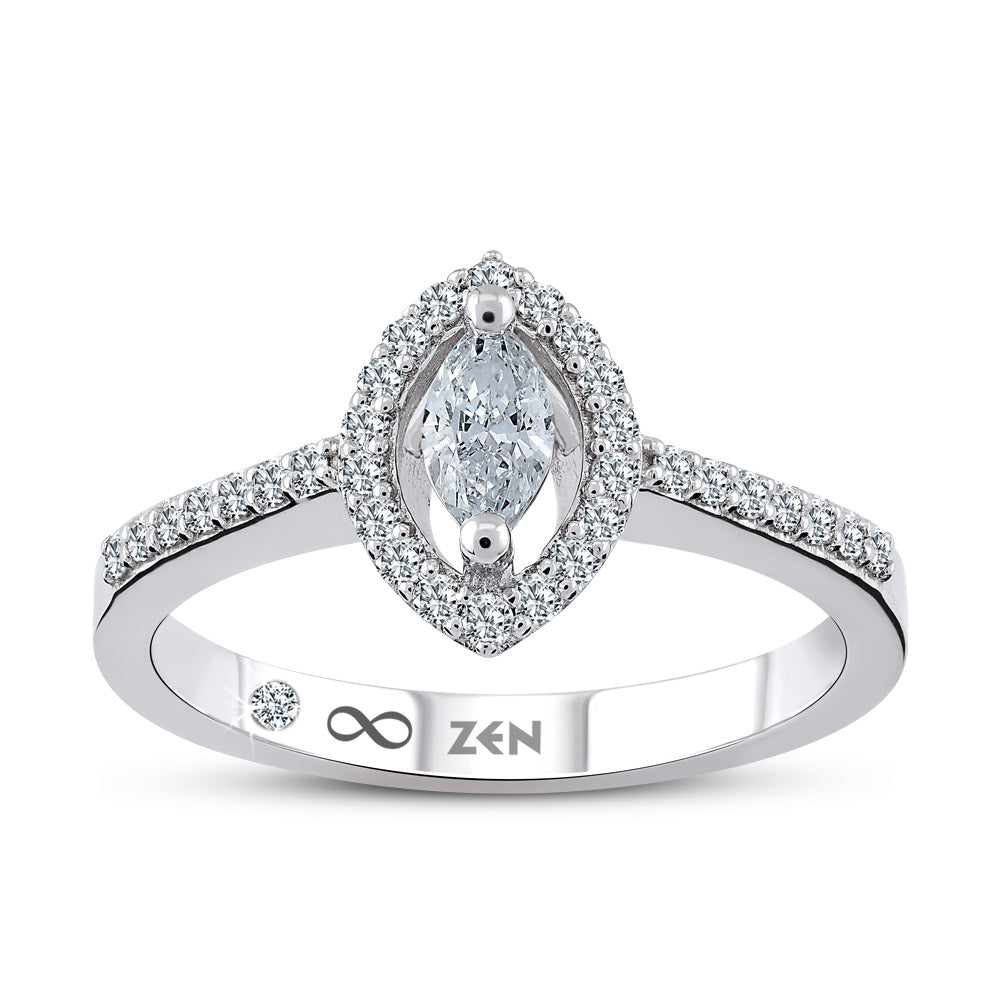
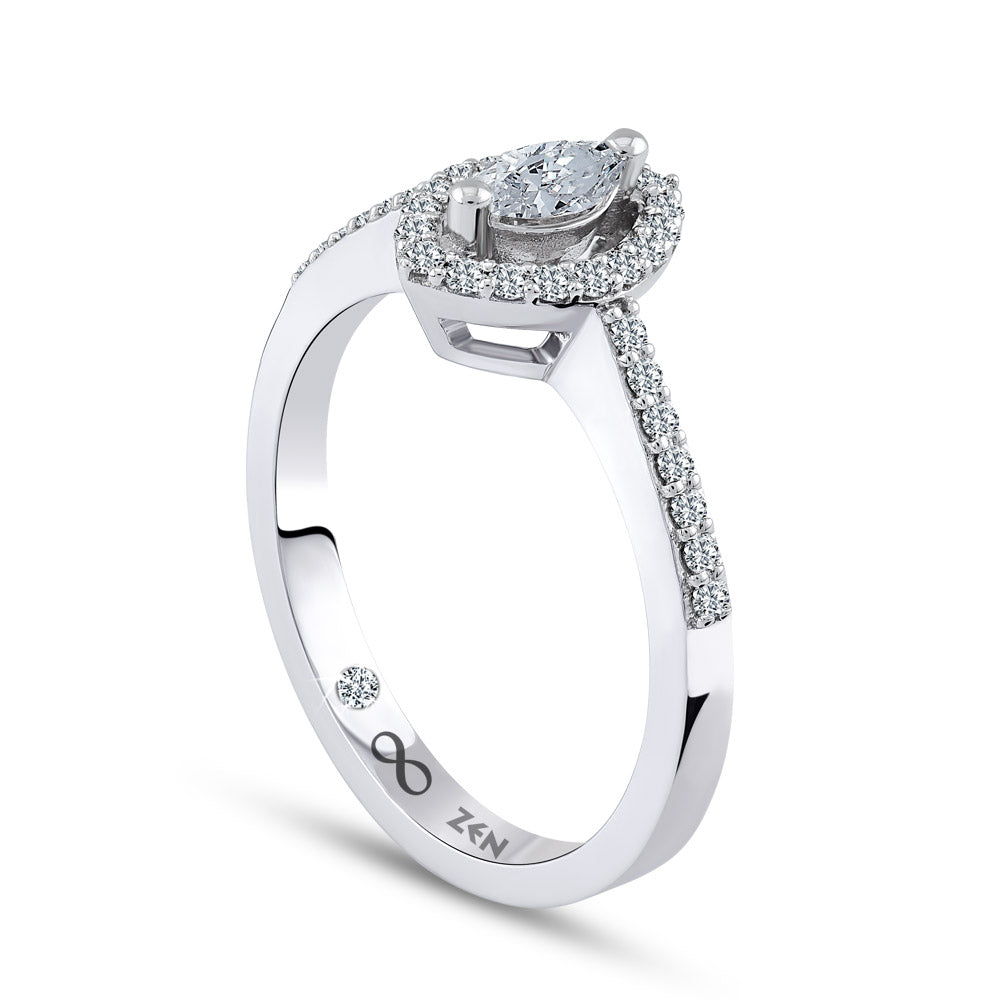
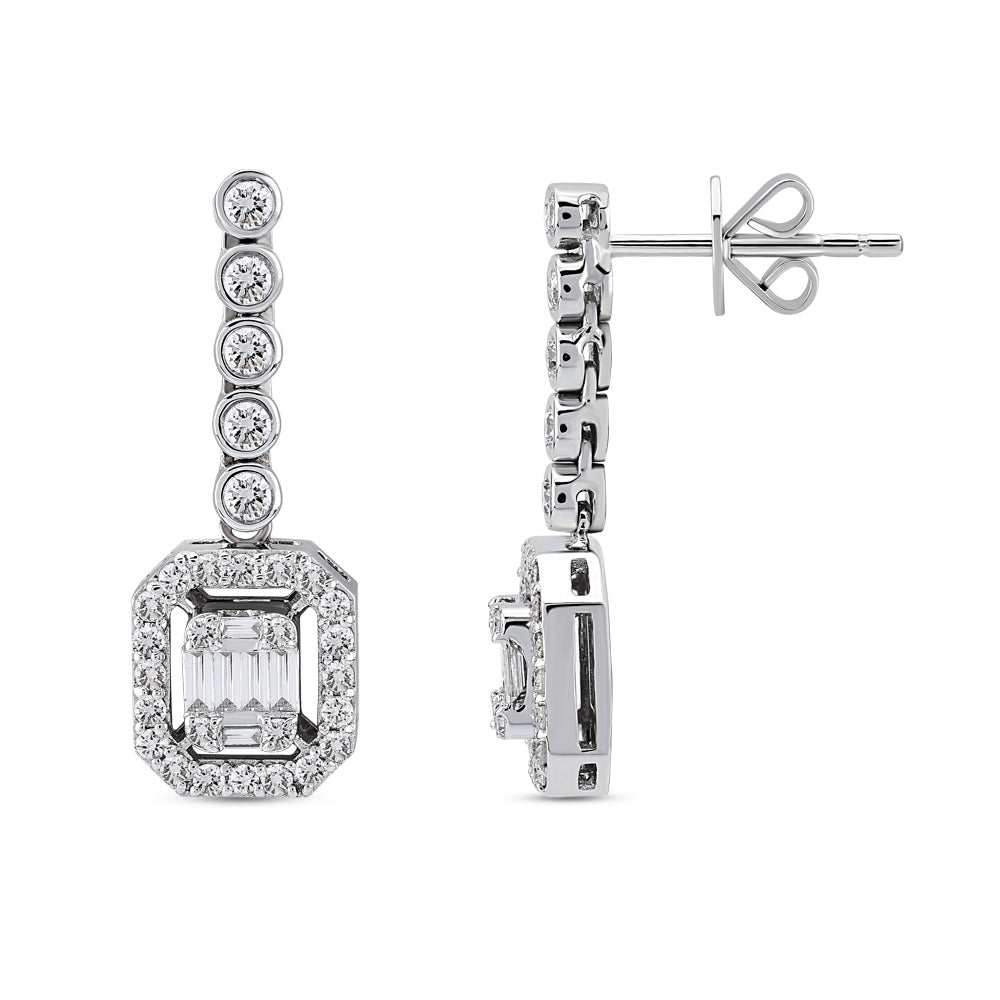
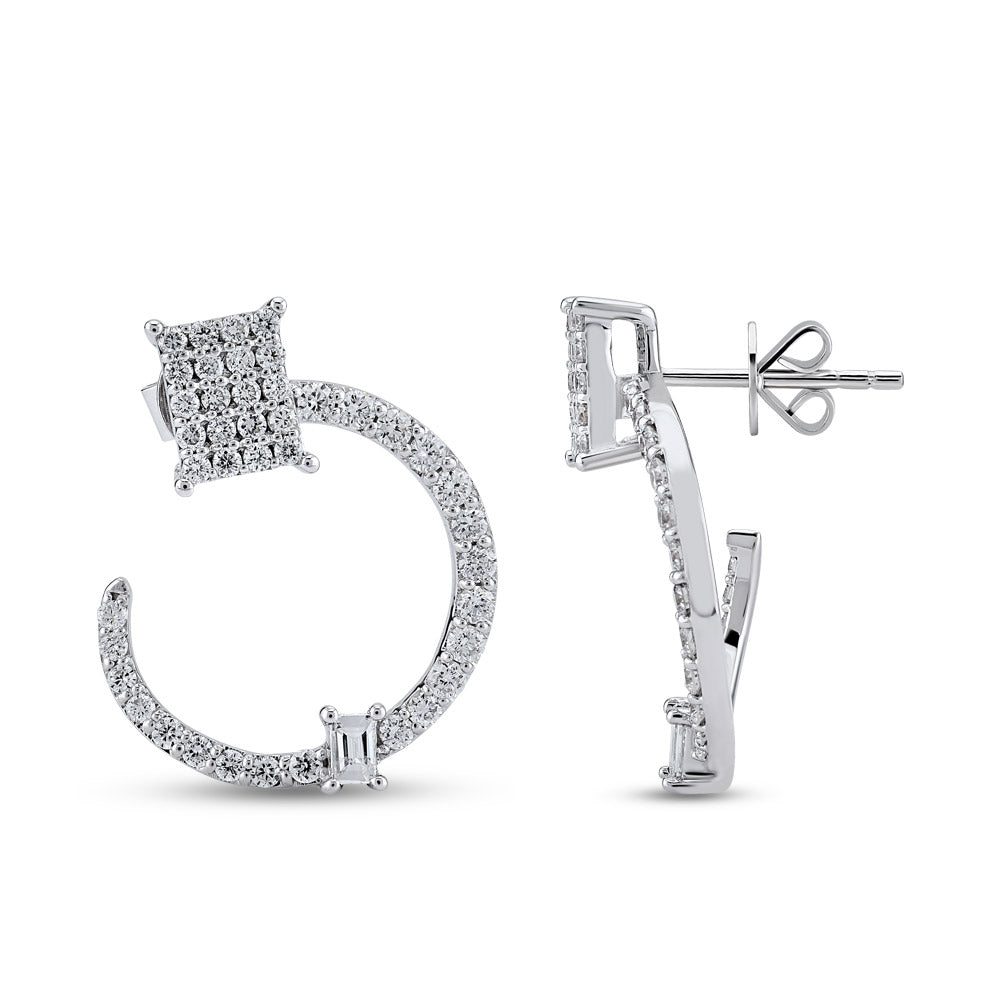
Additionally, factors affecting the value of a diamond include the setting, design, and brand of the ring. For example, a diamond ring featuring a more intricate, handcrafted design may hold a higher value due to the greater detail and labor involved. Likewise, popular designs or established brands carry higher value because they are fashionable and therefore highly desirable.
In this Zen Guide article, we aim to examine the key factors that influence the value of diamonds in greater detail.
The 4Cs Determine the Value of a Diamond!
Among the most critical factors determining the value of diamonds are color, cut, clarity, and carat weight. These characteristics are assessed using standardized grading systems established by recognized organizations such as the Gemological Institute of America (GIA) or the International Gemological Institute (IGI).
Traditional colorless diamonds are graded based on their absence of color; the most colorless diamonds are considered the most valuable. For example, white or colorless diamonds typically command the highest value because they reflect light most effectively, creating optimal sparkle. However, the intensity of any yellow tint in a diamond plays a key role in its valuation. Less yellow or completely colorless diamonds generally hold a higher value, whereas diamonds with faint yellow tones may carry a lower price point.
The cut is a vital factor that governs how effectively the diamond reflects light and sparkles. A well-executed cut makes the diamond appear brighter and more vibrant. Clarity, on the other hand, determines the presence of natural internal inclusions or surface blemishes within and on the diamond. A diamond with fewer flaws is generally considered more valuable, as such stones are rarer and display a clearer appearance. Thus, the color, cut, clarity, and carat of a diamond play a decisive role in determining its total worth.
Another Crucial Factor: Certification
To accurately determine the value of diamond jewelry, it must first be appraised by experts in the field, as they provide the most reliable evaluations.
A qualified diamond appraiser typically holds certifications from international gemological and appraisal organizations. These include esteemed bodies such as the National Association of Jewelry Appraisers (NAJA), the American Society of Appraisers (ASA), and the International Society of Appraisers (ISA). These credentials verify the appraiser's technical training and expertise in gem valuation.
Therefore, when purchasing diamond jewelry, you should always ensure that it is certified and verify the authenticity of the accompanying documentation.
If you want to accurately ascertain the worth of your diamond jewelry and ensure you pay a fair price, paying close attention to certification is essential. This way, you will understand the true value of your diamond jewelry and purchase it at its rightful market rate.


The Strongest Price-Determining Factor: Market Demand and Trends
Demand, availability, and constantly shifting fashion trends in the diamond market are major factors influencing prices. Exceptionally rare or specialized diamonds often sell at premium prices, whereas more common diamonds can be found at more accessible price points. For example, natural pink diamonds command extremely high prices due to their rarity, whereas colorless or white diamonds are available at relatively more affordable rates because they are more abundant. Similarly, natural blue diamonds fetch steep prices owing to their scarcity, while standard white diamonds can be acquired more economically.
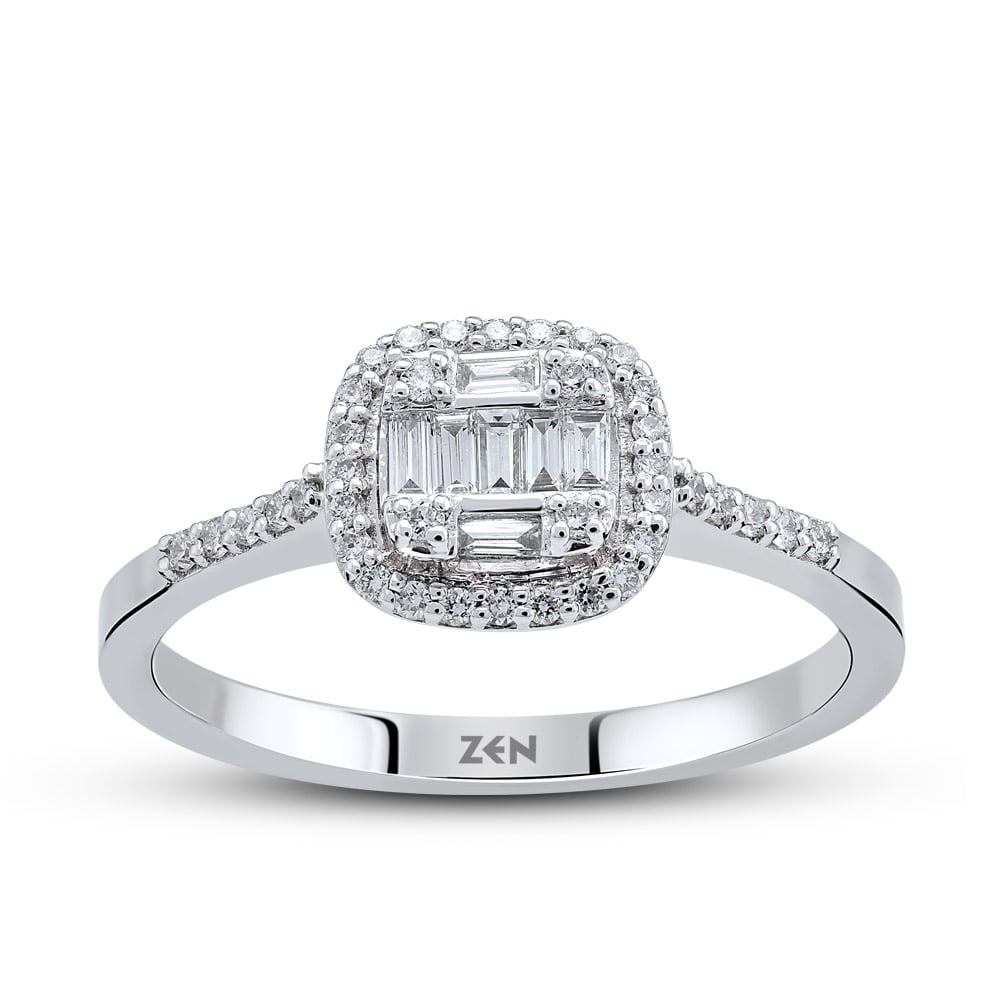
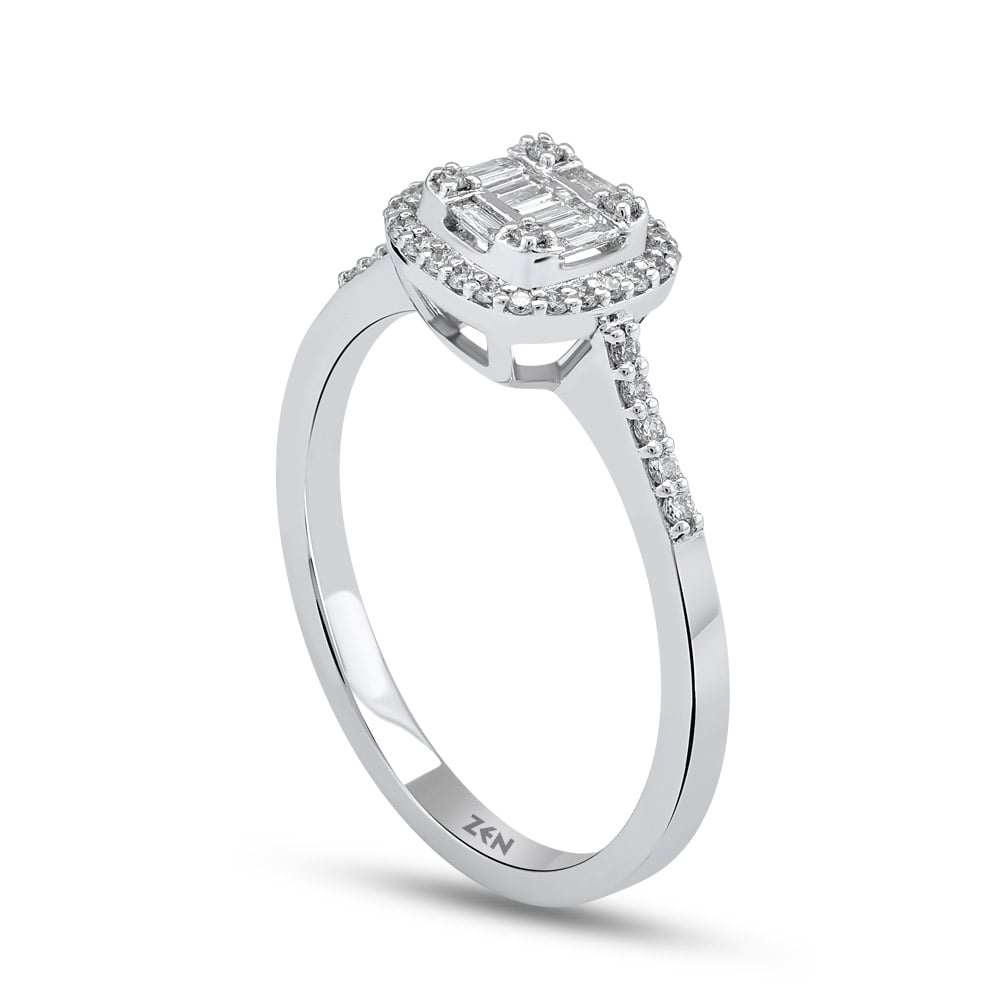
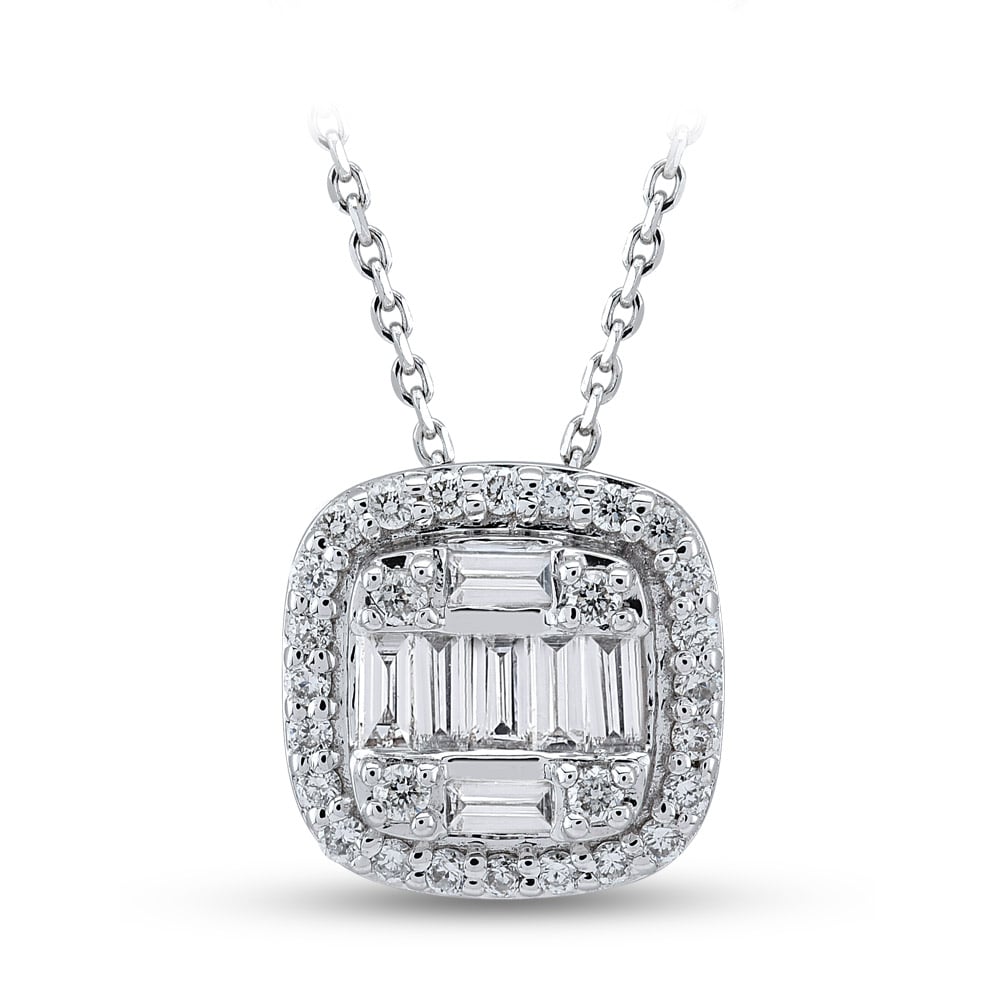
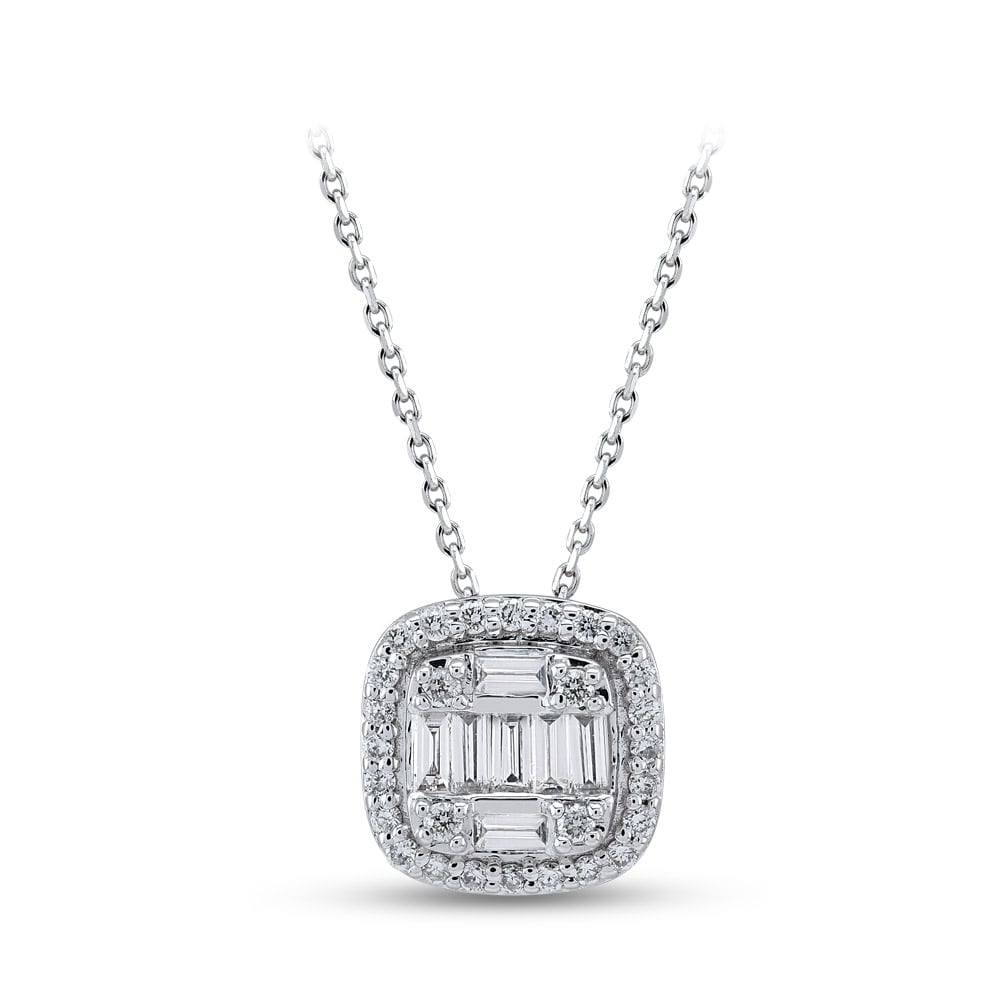
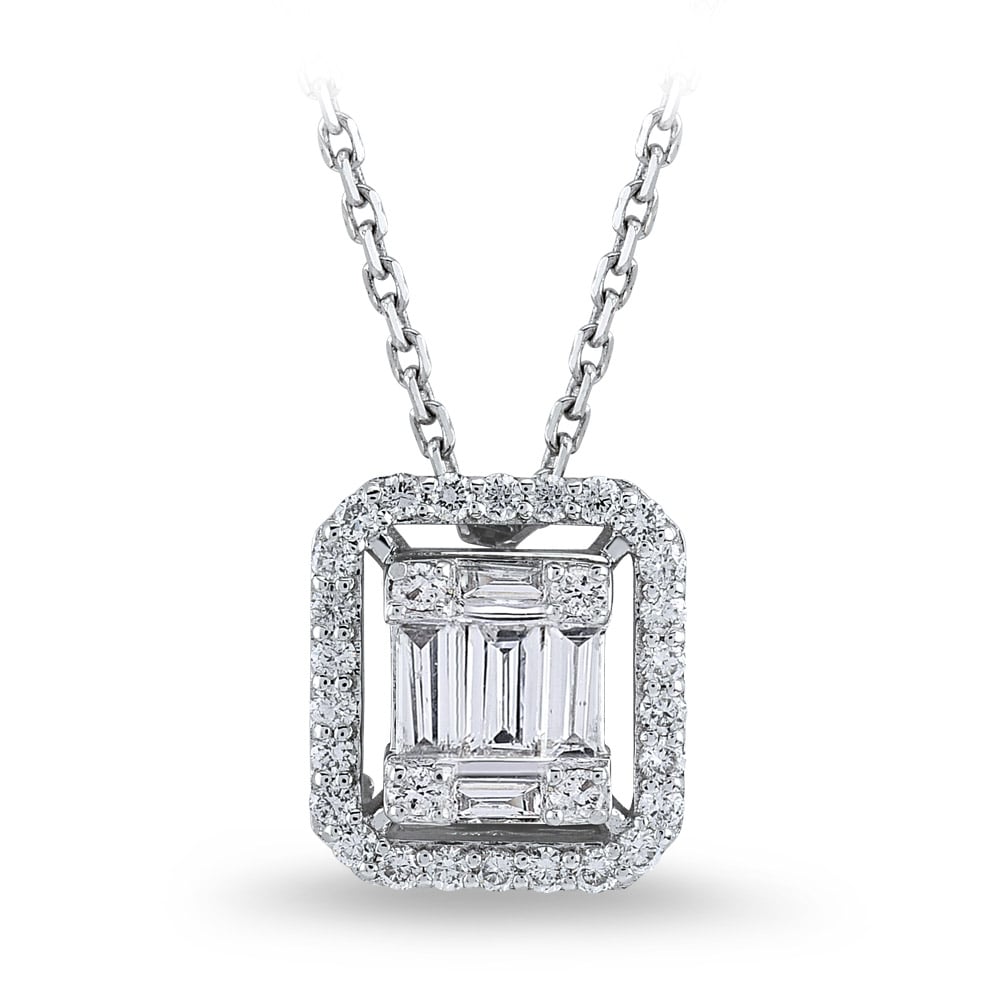
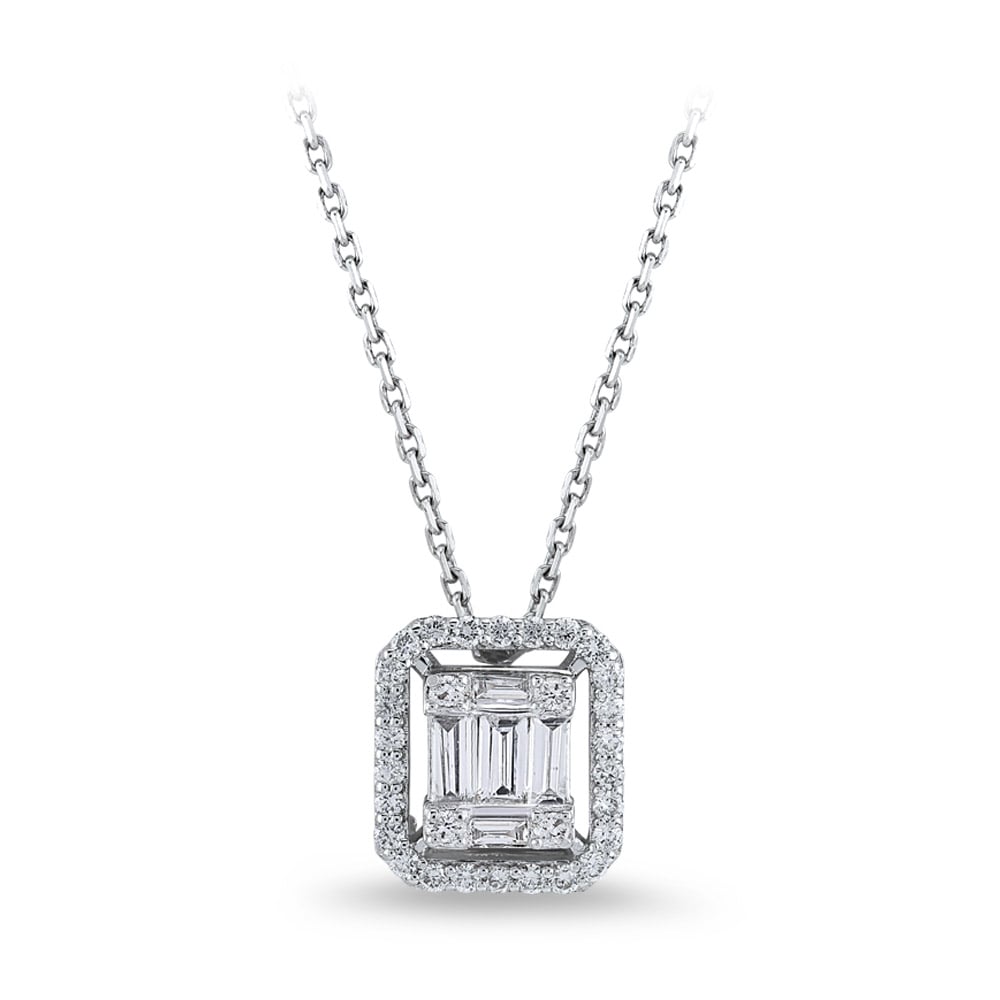
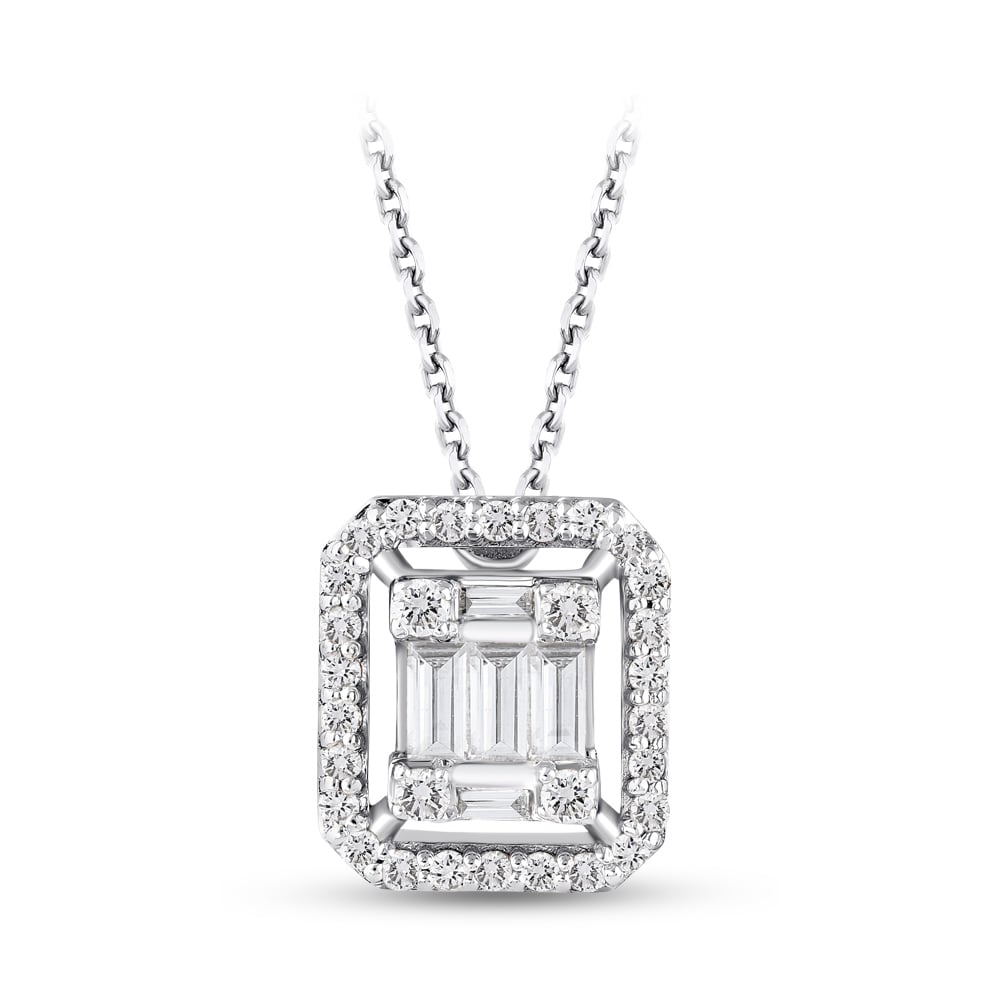
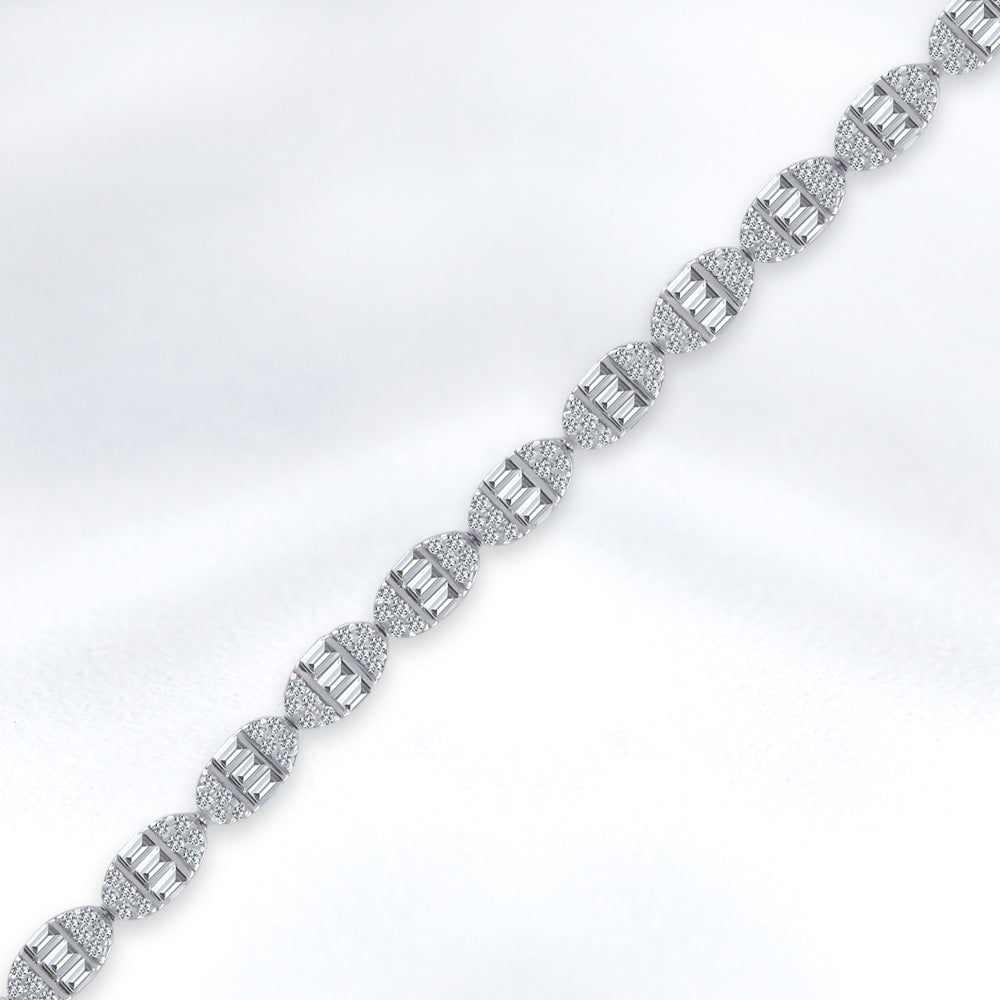
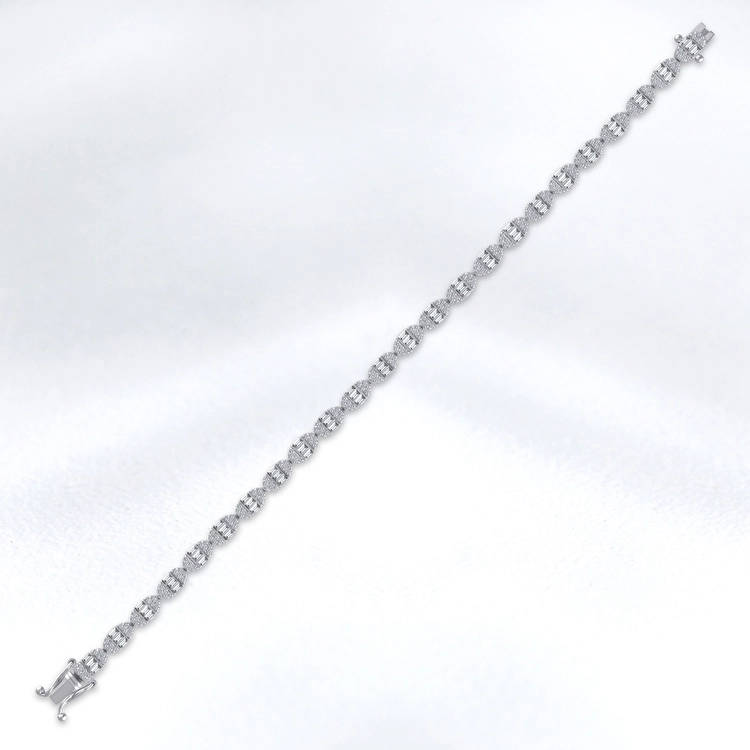
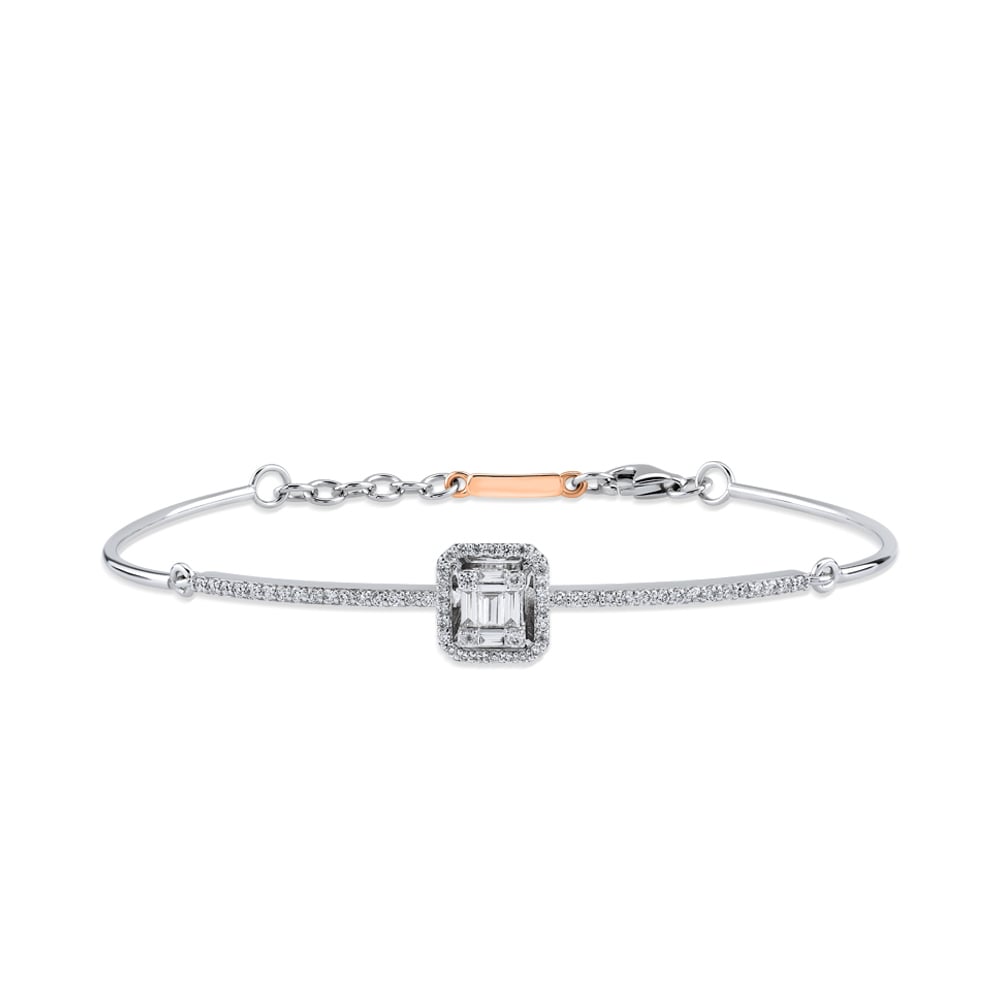
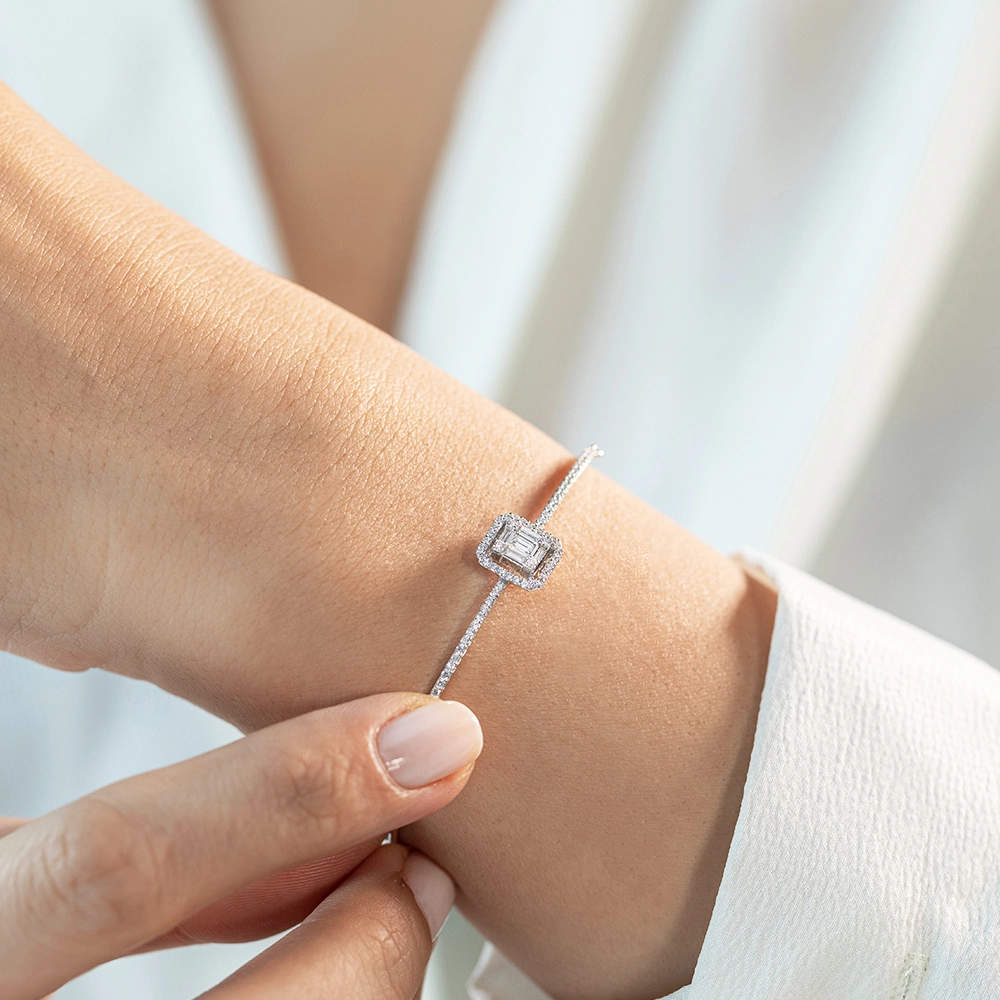
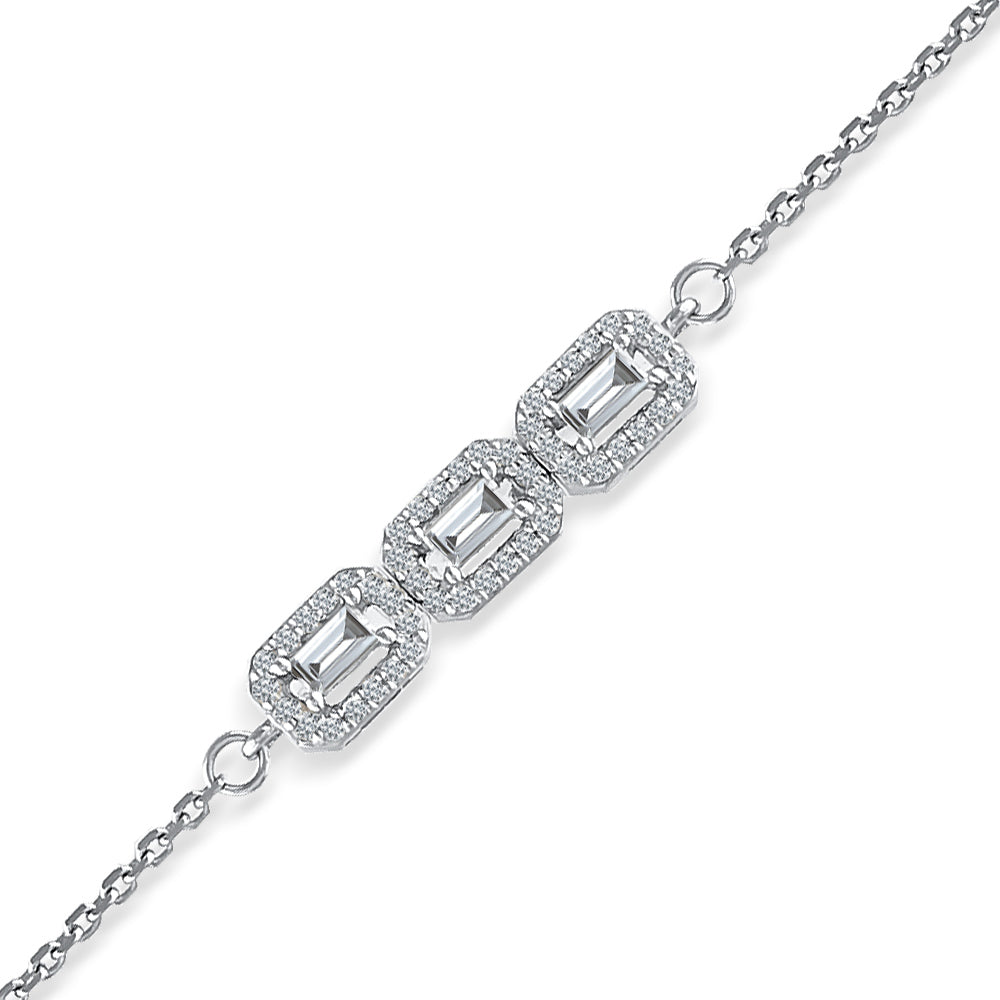
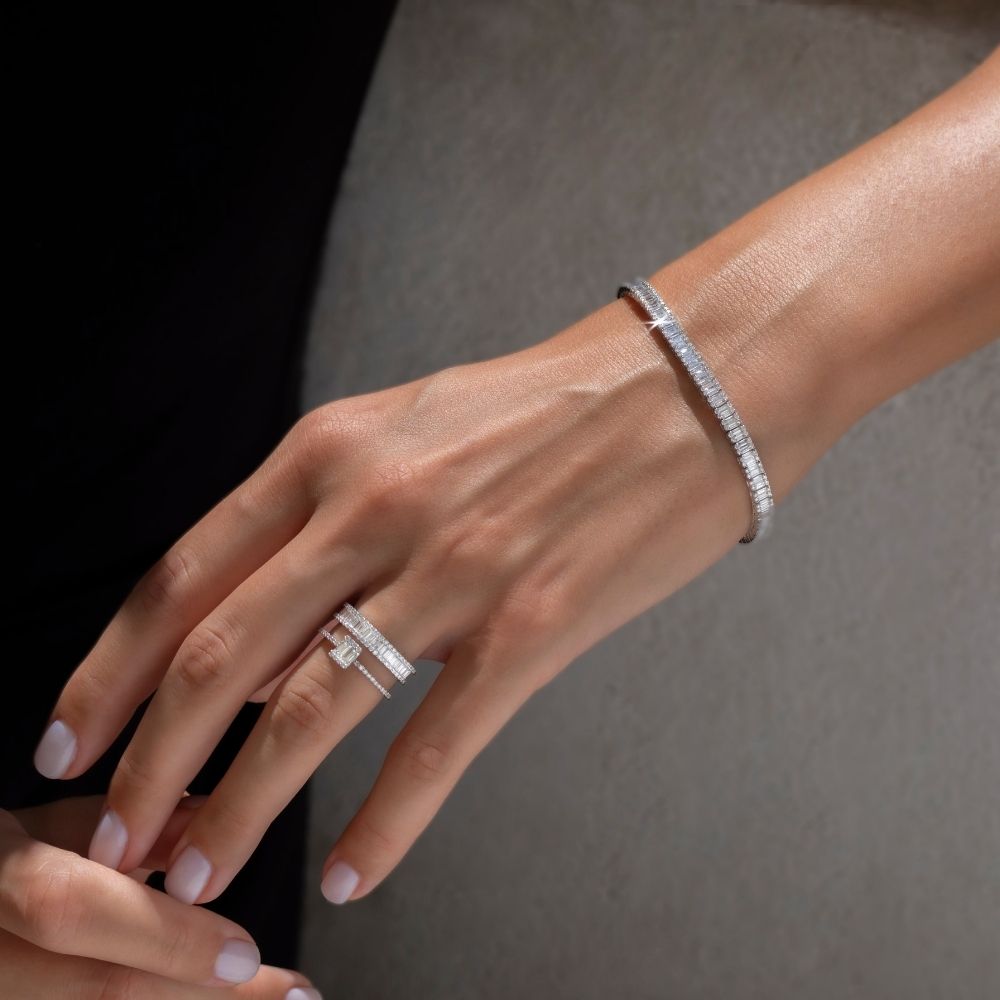
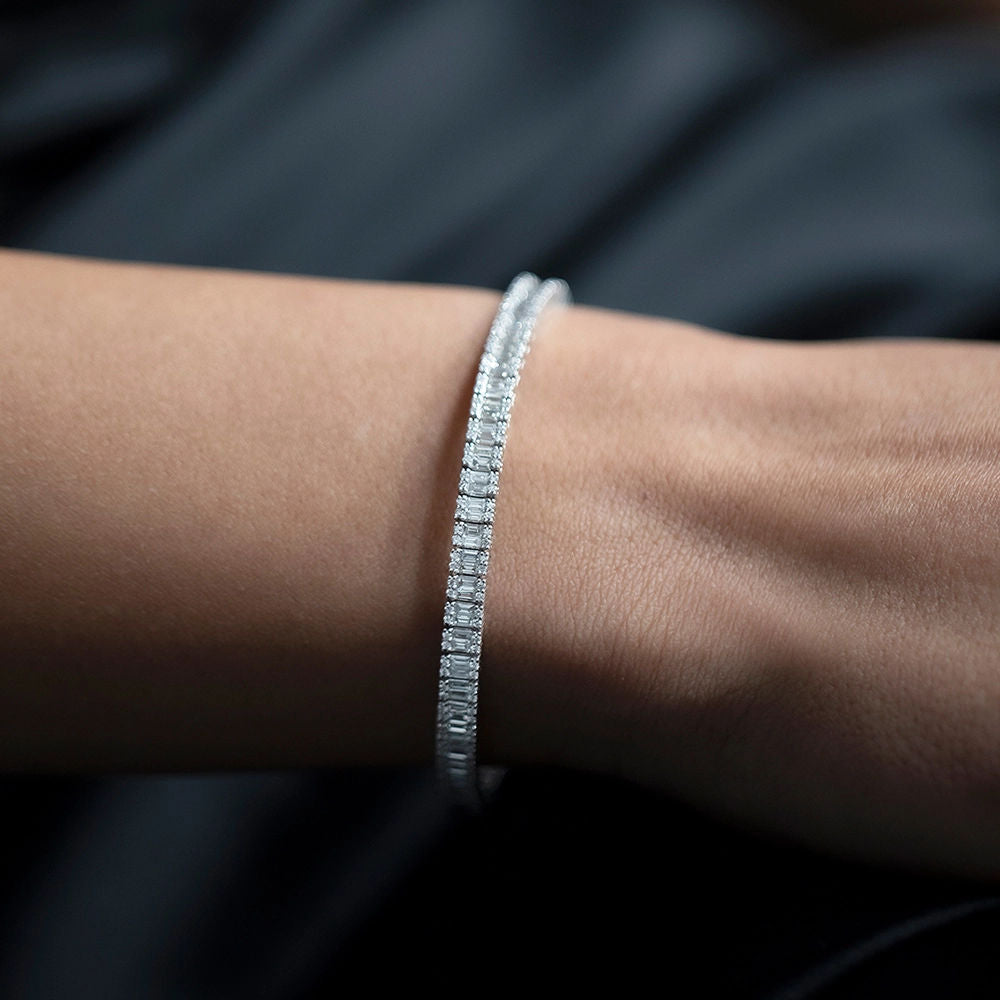
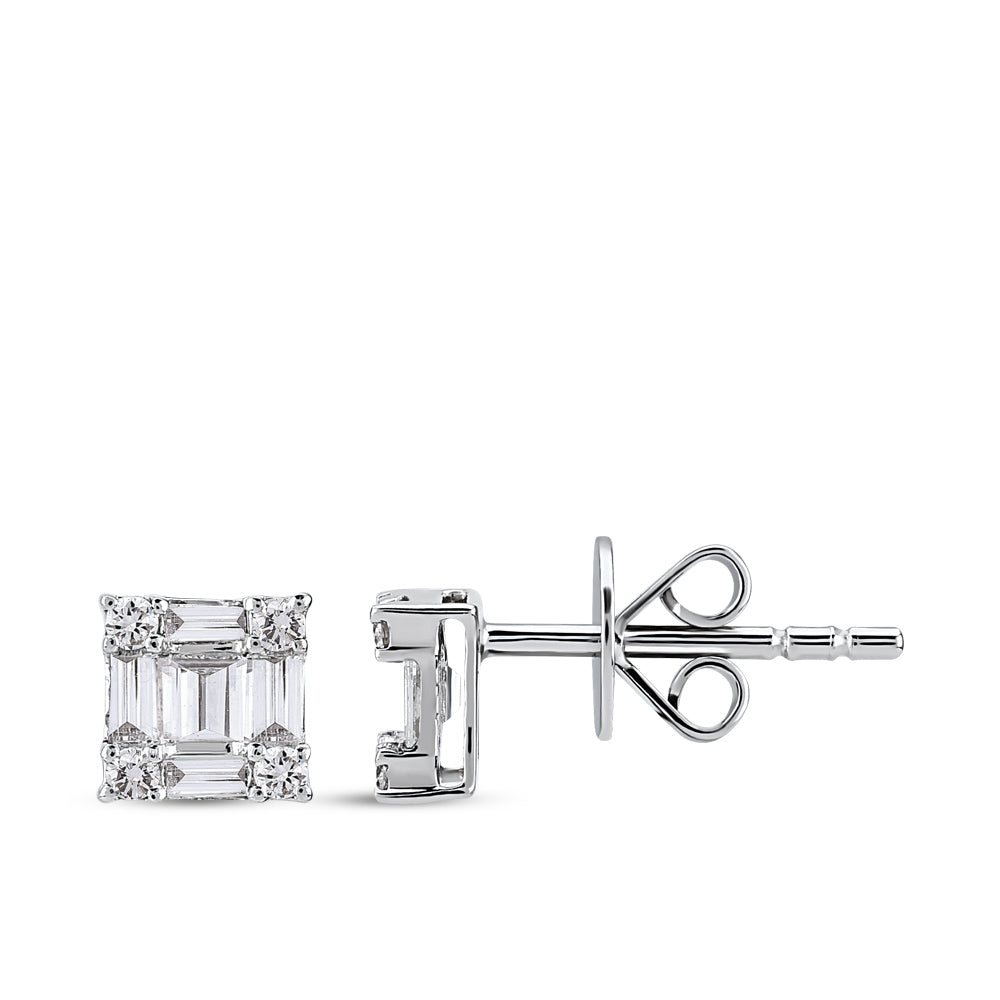
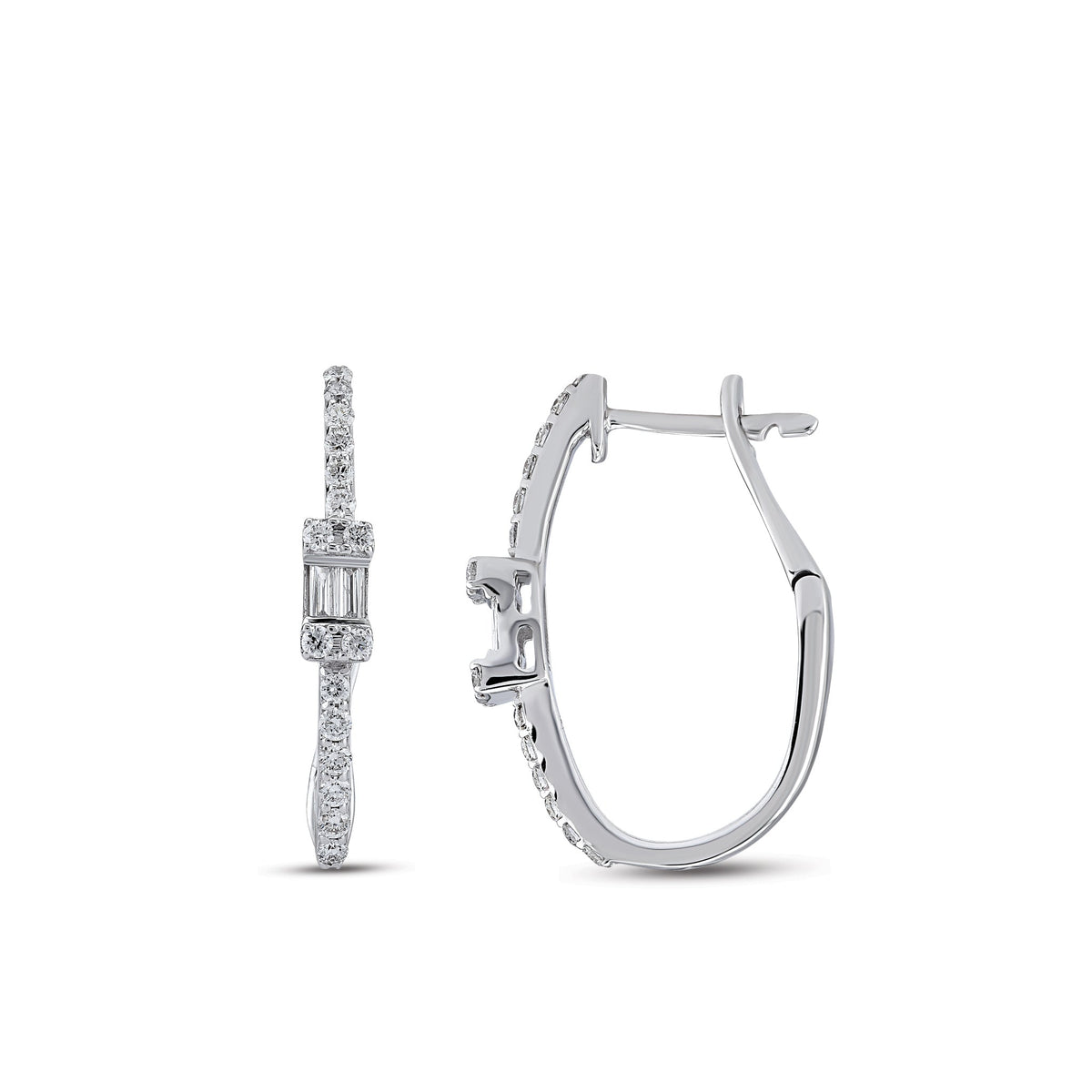
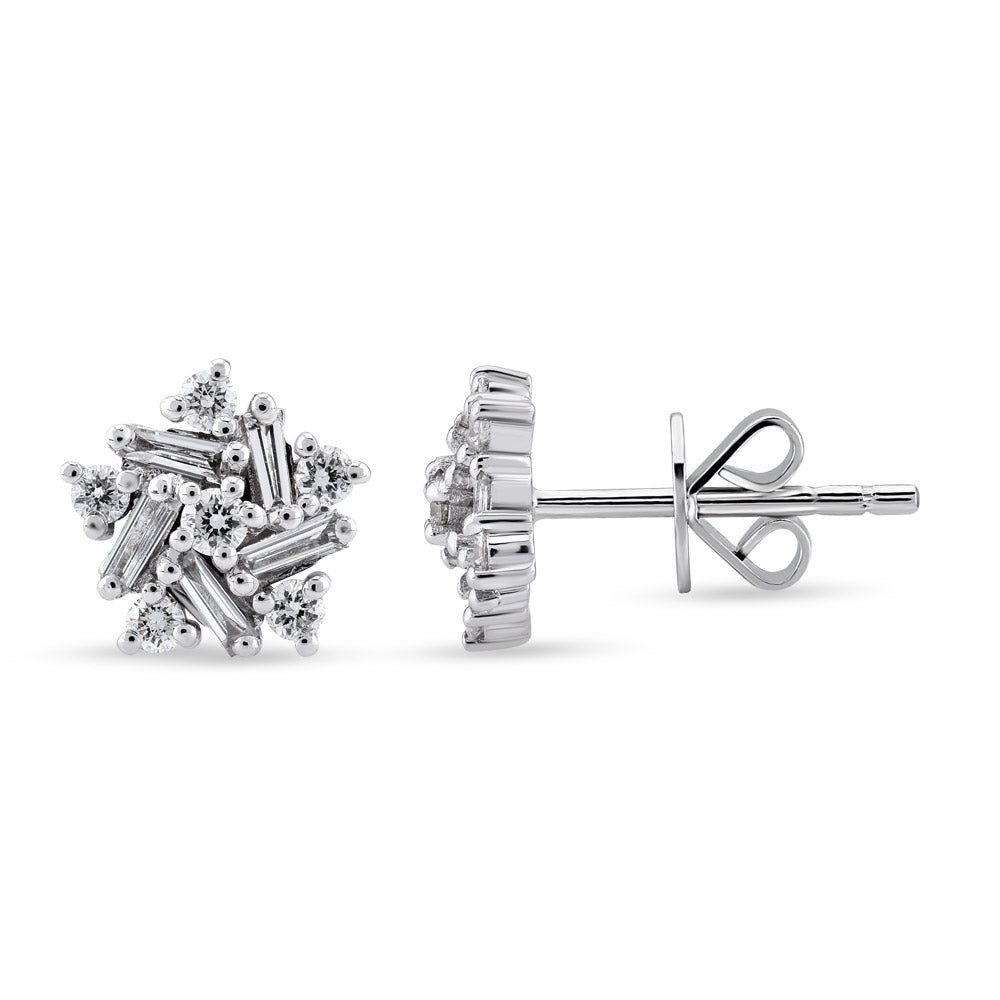
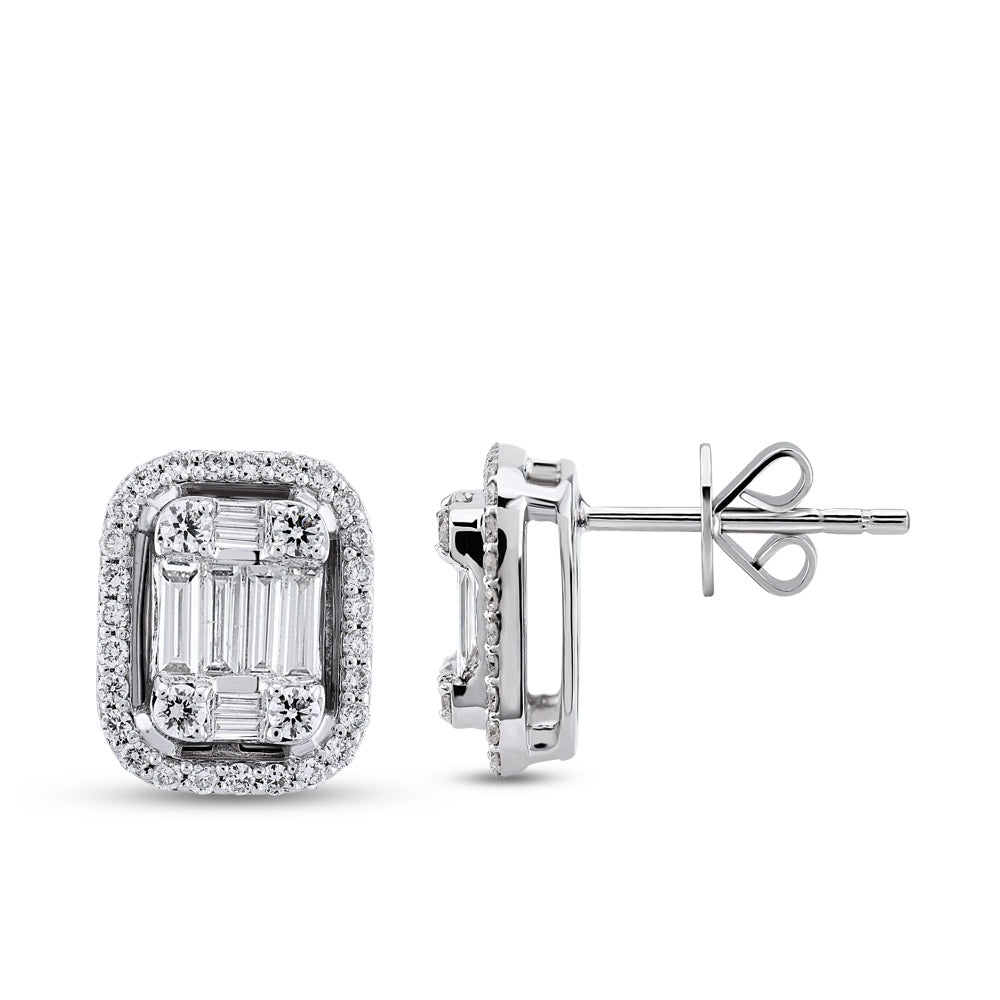
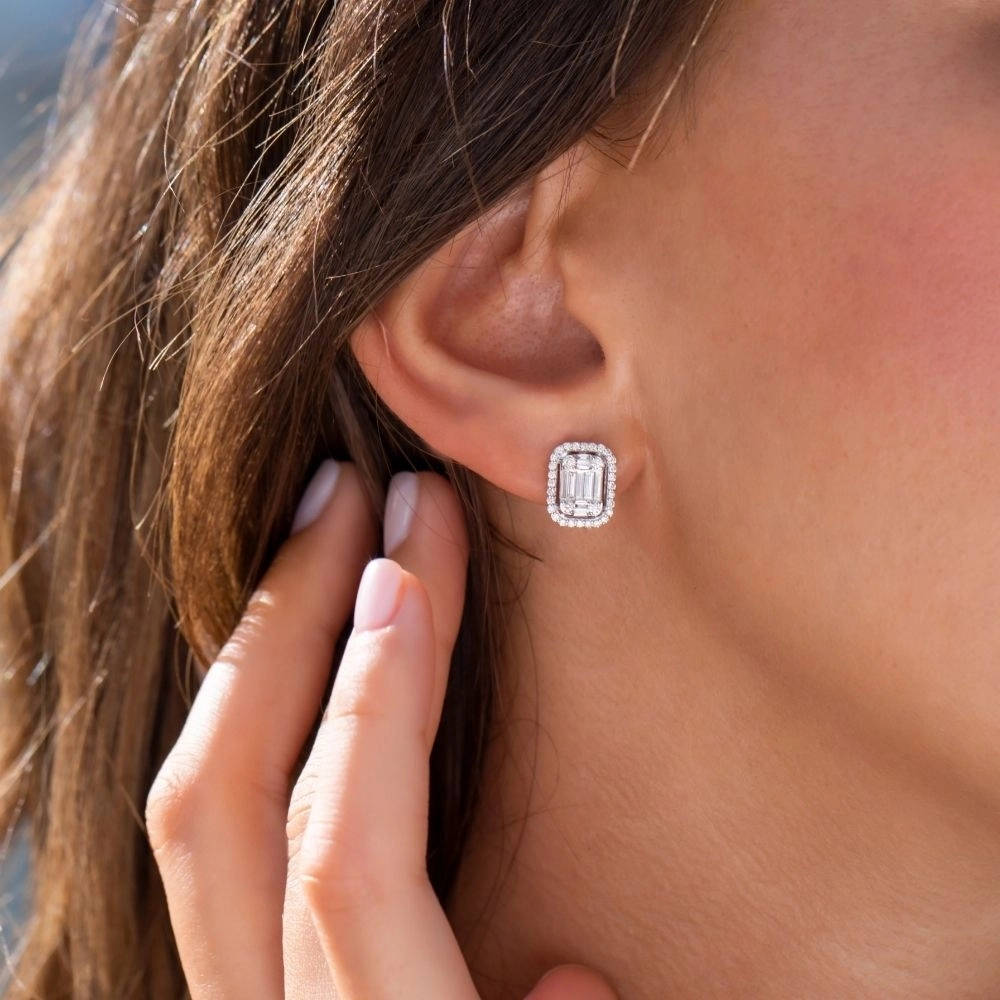
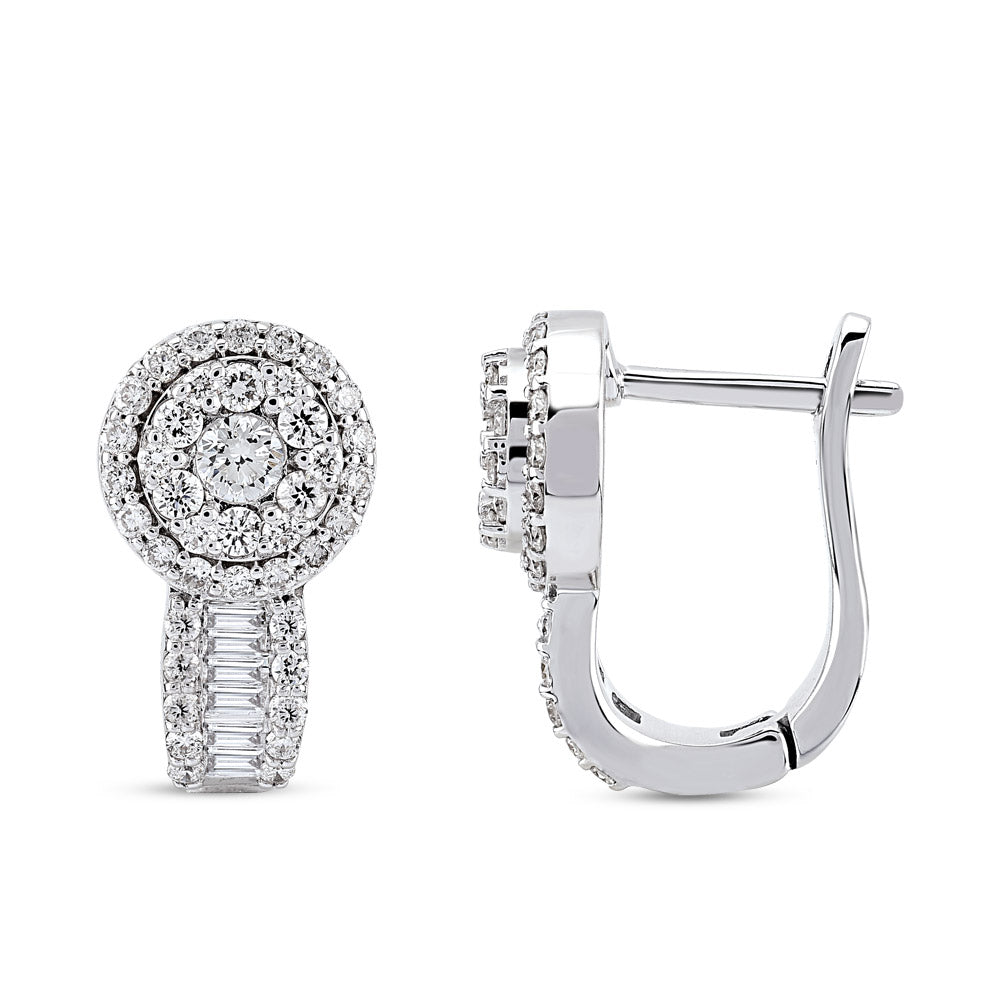
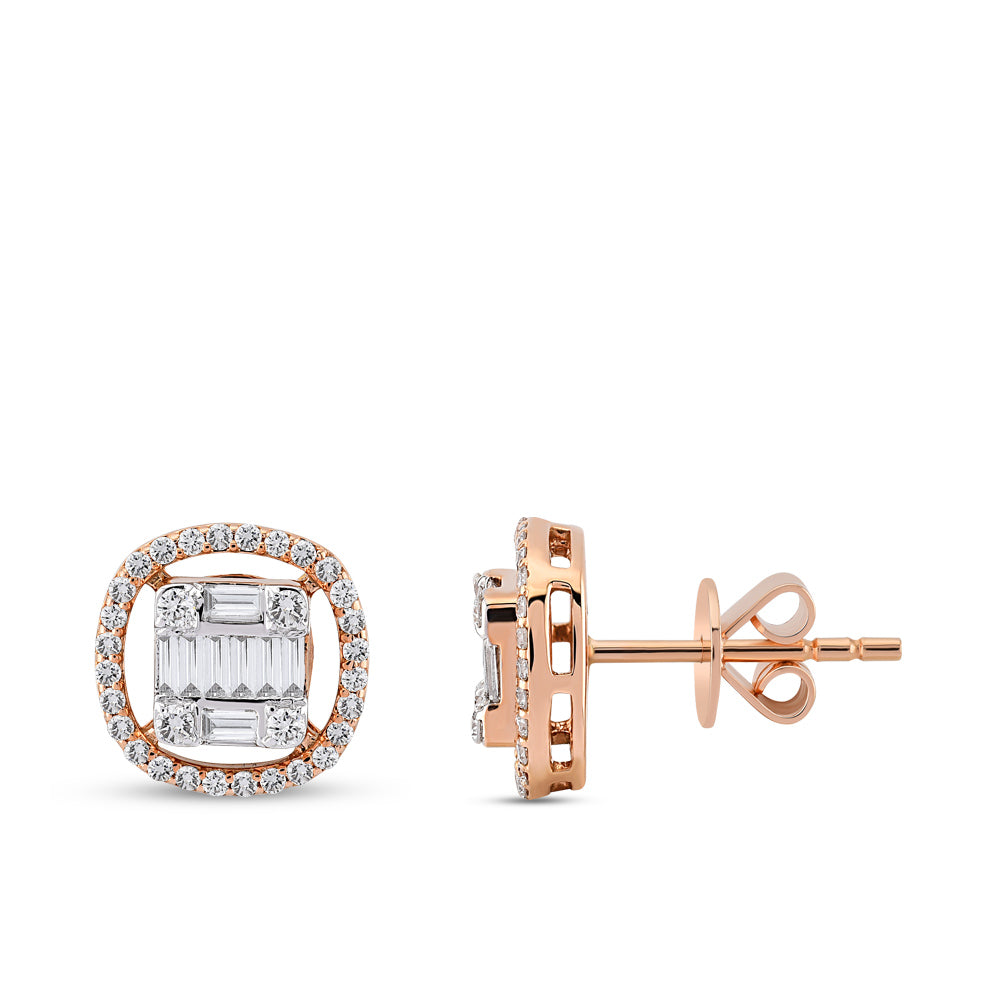
Another criterion influencing value is the overarching trend landscape within the jewelry industry. Driven by regularly evolving fashion tastes, diamonds featuring specific cuts can surge in popularity, leading to observable price increases. Examples include baguette-cut diamond jewelry, which has recently gained prominent attention, or diamonds with unique fancy cuts and colors that trend as modern aesthetics evolve.
Thus, it is clear that market demand, accessibility, and fashion trends exert a powerful influence on the pricing of diamonds.
Can Diamond Jewelry Be Considered an Investment?
No, diamonds should generally not be viewed as a standard financial investment vehicle, as typical commercial diamonds do not reliably appreciate in value. However, we exclude extremely rare and exceptional stones from this category (such as rare natural colored diamonds).
The price of a diamond purchased brand new from a retail jeweler differs significantly from its resale value on the secondary market. Should you decide to resell your diamond jewelry, it may yield 20% to 50% less than its original retail purchase price.
In short: while diamonds are a precious mineral carrying immense intrinsic and emotional worth, they should not be purchased primarily as an investment. Unlike gold and similar bullion metals, diamond jewelry is best acquired to be worn, treasured, and enjoyed for a lifetime!